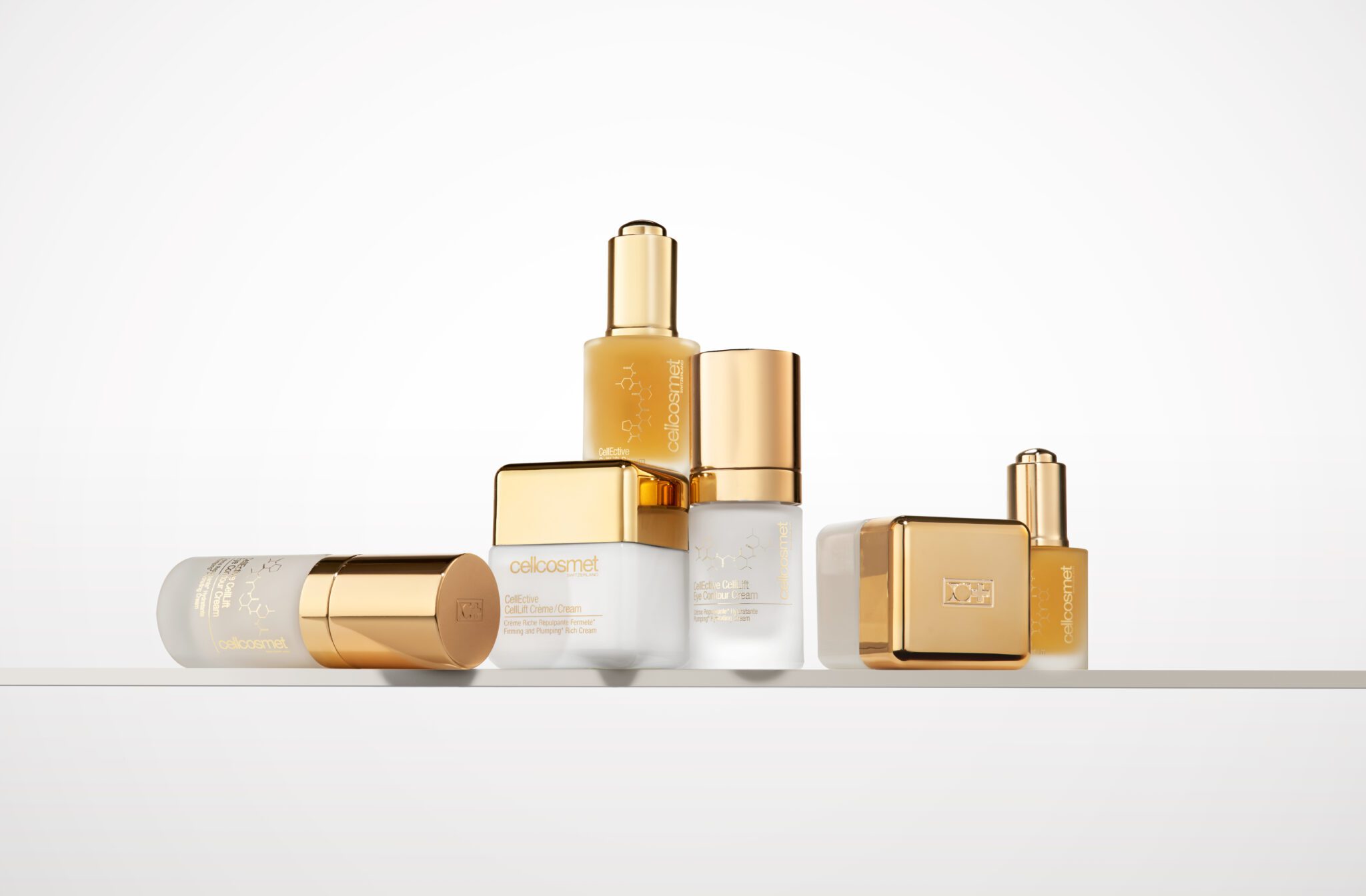
On the shores of Lake Geneva, an early thread of medical research in cellular therapy would shape one of the more enduring names in luxury skincare. Long before skincare became a global industry measured in the hundreds of billions, the founders of Cellcosmet were already exploring how vitality at the cellular level could influence aging – The Science of Skin.
It was in this environment that Roland Pfister began working with his father at a Swiss revitalization clinic, building on the research of Professor Paul Niehans. When a patient asked whether cellular therapy could be applied to the skin, it set Pfister on a different path. What followed was years of research that led to the development of the CellControl™ method, designed to preserve the potency of bioengineered cellular extracts.
By 1987, those insights had evolved into Cellcosmet, a brand grounded in science and guided by the precision Switzerland is known for. Even its earliest formulations were focused on restoring cellular energy, something modern longevity and skincare experts have only more recently begun to prioritize. These origins feel increasingly aligned with where the broader healthcare industry is heading.

Skincare now sits at the center of the global beauty economy. The beauty market generated approximately $446 billion in retail sales in 2023, with skincare accounting for roughly 44% of that total. Analysts project the category will grow from about $162 billion in 2025 to more than $222 billion by 2030, reflecting steady, sustained demand.
While Asia Pacific is the fastest-growing region, the United States remains the largest single market, shaping consumer expectations and influencing global trends. Domestically, skincare continues to expand at a measured pace, supported by a culture that prioritizes both preventative care and premium solutions. Against this backdrop, the definition of skincare itself is evolving, moving closer to the language of health, longevity, and performance.
During a conversation with Jennifer Hessel, General Manager of North America at Cellcosmet, it was apparent these shifts were becoming more pronounced, and that her focus is on positioning the brand within this landscape.
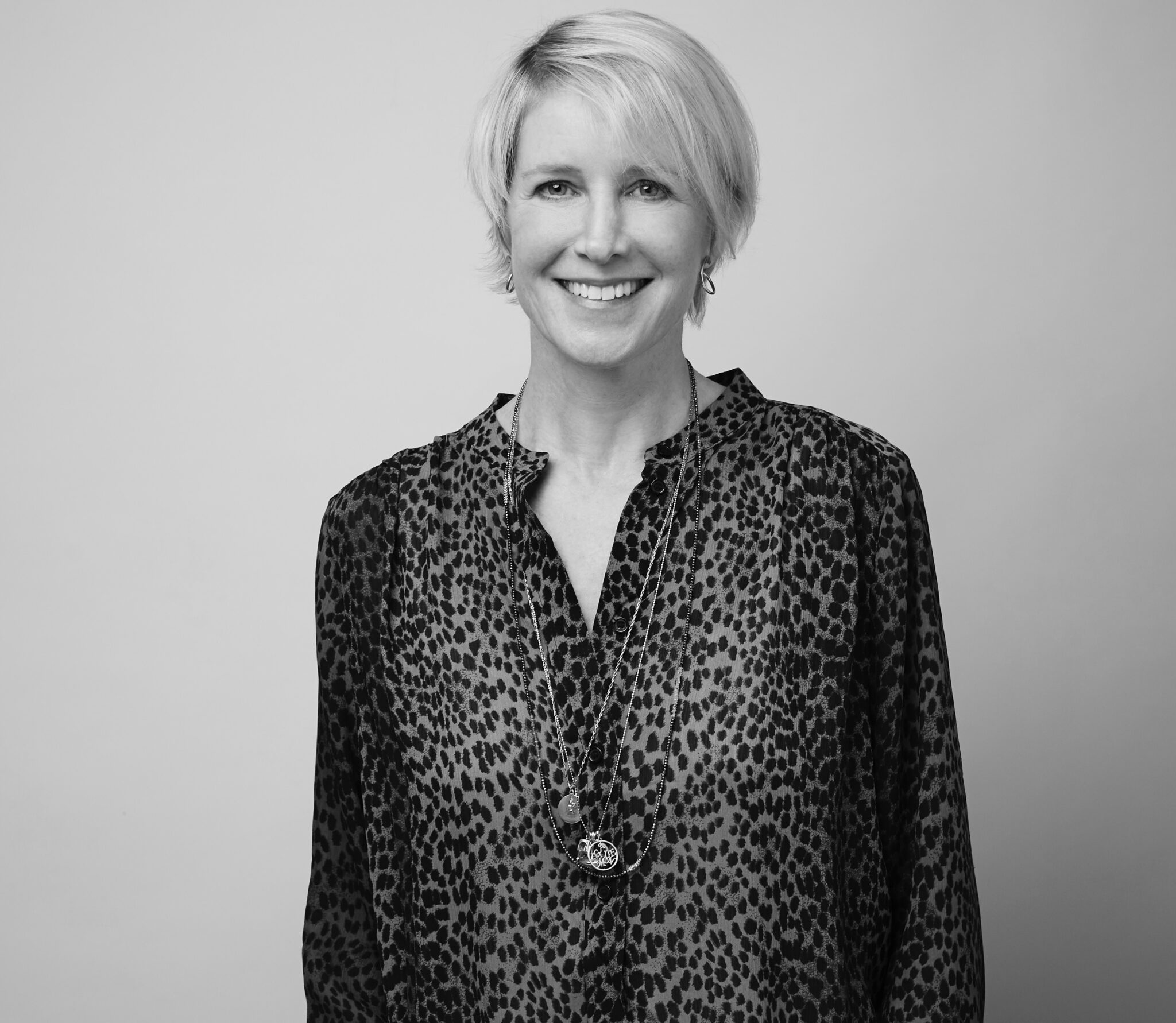
With more than two decades of experience, including leadership roles at L’Oréal and work across Kiehl’s and Artis, Hessel brings both operational and strategic perspective to the role. It was clear she is thinking carefully about where the brand shows up and how it is experienced.
That thinking has translated into a strategy centered on high-touch environments, from luxury retail to wellness destinations, where the product can be understood within a broader context of care. It is also reflected in the brand’s customer base. Cellcosmet has cultivated a highly loyal following, with clients who view the products as part of a long-term regimen rather than occasional use. It is not uncommon for customers to keep full sets of their skincare in multiple homes, ensuring consistency in their routine wherever they are.
At the core of Cellcosmet is its continued investment in cellular science. From its Swiss laboratory, Cellap Laboratoire, the brand develops formulations according to its own research timelines. Recent innovations include the CytoPep™ Cellular Extract, formulated at higher concentrations to enhance revitalizing effects, and a Postbiotics Complex derived from marine ferments to support the skin barrier and microbiome.

Another area gaining attention is post-treatment recovery. As procedures such as lasers and microneedling become more common, the period that follows is receiving greater focus.
Cellcosmet has expanded its role within this space, with a new formulation, the Hydra-Soothing Mask, designed to support the skin as it recovers, helping to stabilize hydration and reinforce the barrier. The goal is to extend and protect the results of professional treatments.
Under Hessel’s leadership, the brand has expanded its presence through partnerships that align with its scientific positioning. A recent collaboration with Sensei Porcupine Creek brings Cellcosmet treatments into a setting known for its evidence-based approach to wellbeing.

Such partnerships point to skincare being increasingly integrated into environments focused on long-term health, where treatments are part of a broader lifestyle approach.
The future of skincare is likely to be shaped by a combination of scientific advancement and changing consumer expectations. Personalization, biotechnology, and microbiome research are expected to play larger roles. Within this landscape, Cellcosmet’s foundation in cellular science allows for continued innovation, grounded in a discipline that has defined the brand from the beginning.