Keeping students and staff safe in private schools is very important today. With violence and threats happening more often, schools need to take action to improve security in ways that fit their needs. This is not just about reacting to danger; it’s about making schools safe places for learning.
The good news is that practical steps and technologies are available to greatly improve security. Let’s look at how you can make your school safer.
Weapons Detection Systems
One effective way to address potential threats is to use weapons detection systems. These systems can be placed at school entrances or around the grounds to spot risks before they escalate. Using advanced technology, these systems can detect guns and other dangerous weapons and alert security staff right away.
Investing in these systems shows you care about student safety. Knowing you have this technology can create a positive school environment. It’s not just about lowering risks; it’s also about helping students learn without fear. Schools can team up with local law enforcement and security experts to develop a weapons-detection plan tailored to their specific needs.
Surveillance Cameras
Surveillance cameras can help keep schools safe by deterring problems and providing important information. Installing cameras in hallways, entrances, and outside areas gives insight into daily activities and helps spot anything unusual. High-definition cameras with night vision ensure that every area is monitored.
These cameras can track behaviour and support investigations after incidents. With real-time monitoring, security teams can respond quickly, and recorded footage can aid law enforcement if needed. A strong surveillance system adds an extra layer of protection, making everyone in the school community feel safer.
Screening Procedures
Even with weapons detection systems for schools, it’s important not to ignore traditional screening procedures. This involves checking students and visitors at entry points before they enter the school. Using metal detectors or handheld screening tools can help find weapons before they reach classrooms.
Creating a friendly environment that is still safe is essential. Schools can have trained staff to conduct these screenings calmly and effectively. The goal is to ensure safety without making the school feel like a fortress. Developing a routine that includes screening can help everyone know what to expect.
Emergency Response Plans
A good emergency response plan is vital for security. Schools need to develop and update these plans regularly. They should include drills for various scenarios, such as natural disasters and active shooter situations. Making sure that all staff and students know the protocols can reduce panic during real emergencies.
Involving local emergency services in planning and drills can be highly valuable. Regular training sets clear expectations and builds confidence for everyone. It’s crucial to have effective communication during emergencies; schools can use text alerts or public announcements to keep everyone informed.
Access Control Systems
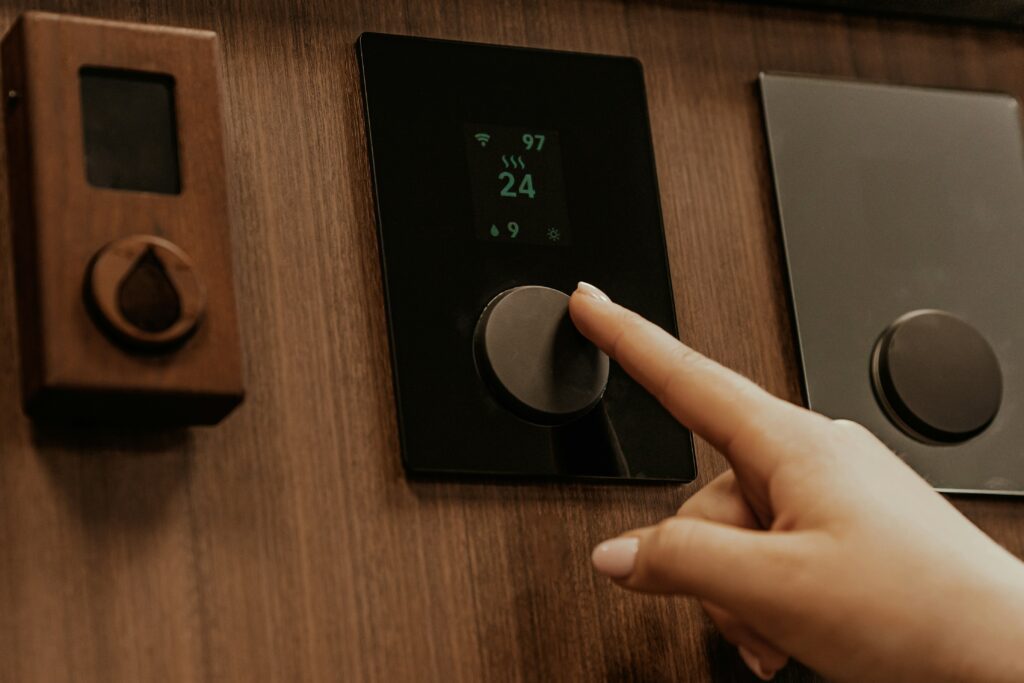
It’s important to control who enters and exits the school. Access control systems can help by allowing entry only to specific individuals using key cards or biometric scanners. This keeps students and staff safe while monitoring visitors.
An efficient access control system should also include visitor management, such as pre-registering guests. This approach helps maintain a welcoming environment and ensures that everyone on campus has a valid reason to be there. Knowing who is in the building increases safety.
Training and Awareness
Training and awareness are vital for a complete security system. Regular sessions on recognizing threats, responding to emergencies, and using security technology empower everyone in the school. From teachers to janitors, every role contributes to safety.
Promoting a culture of awareness can minimize risks. Encouraging students to report suspicious behaviour helps create a proactive school atmosphere. When everyone feels responsible for safety, it can lead to a more secure learning environment.
Community Involvement
Working with the local community can provide extra resources and support. By partnering with local law enforcement and businesses, schools can improve their security measures and build a safety network. Community involvement can also focus on conflict resolution and mental health resources.
Inviting community members to safety workshops or events helps build trust. When everyone works together for student safety, the impact can be significant and lasting.
Security in private schools is a shared responsibility. By combining technology, training, and community involvement, schools can create a safe learning environment. A well-rounded approach not only prepares for potential threats but also fosters a culture of safety and support.