Wall art has become an essential element of interior design, offering both aesthetic value and emotional depth to living and working spaces. It serves as a visual anchor that connects furniture, color palettes, and architectural features into a cohesive environment. Rather than being an afterthought, wall art is now considered a primary design component that defines the personality and tone of a room. From minimalistic pieces to bold statement artworks, the right selection can instantly uplift a dull wall and transform it into a focal point. By reflecting personal taste and creativity, wall art allows homeowners and designers to craft spaces that feel unique, expressive, and welcoming.
Understanding Different Categories of Wall Art
Wall art exists in a wide range of forms, each contributing differently to interior aesthetics. Paintings, whether abstract or realistic, bring depth and artistic flair to a room. Canvas prints are favored for their textured appearance and versatility across various design themes. Framed photographs add sentimental value and are often used to showcase memories and personal moments. Posters and graphic prints are perfect for contemporary interiors, offering vibrant energy and modern appeal. Wall sculptures introduce dimension and tactile interest, making them ideal for creating dramatic visual statements. Textile art such as woven hangings adds warmth and softness, while metal and acrylic pieces create a sleek and polished look suitable for modern and industrial interiors. Understanding these categories helps in selecting artwork that aligns with the overall design vision.
How Wall Art Enhances Spatial Perception
Wall art plays a crucial role in influencing how a space is perceived. Large-scale artwork can make a room feel grand and visually expansive, while smaller, carefully arranged pieces create intimacy and layered detail. Vertical artwork can draw the eye upward, giving the illusion of higher ceilings, whereas horizontal arrangements can make a narrow wall appear wider. Mirrors integrated into wall art designs can reflect light and create a sense of openness. By strategically placing artwork, designers can manipulate spatial perception and improve the visual balance of a room. This ability to reshape how a space feels makes wall art a powerful tool in interior design planning.
Read More: https://www.wallpics.com/pages/canvas-art-prints
Selecting Wall Art Based on Personal Style
Choosing wall art should always reflect the personality and lifestyle of the people inhabiting the space. Those who prefer calm and serene environments may gravitate toward nature-inspired or pastel-toned artwork. Individuals with bold and energetic personalities often choose vibrant abstract pieces or colorful modern prints. Classic art lovers may opt for traditional paintings and elegant framed pieces that convey timeless charm. For creative individuals, eclectic and mixed-media art can serve as a reflection of artistic expression. Aligning wall art with personal style ensures that the décor feels authentic and emotionally resonant, rather than merely decorative.
Integrating Wall Art with Furniture and Layout
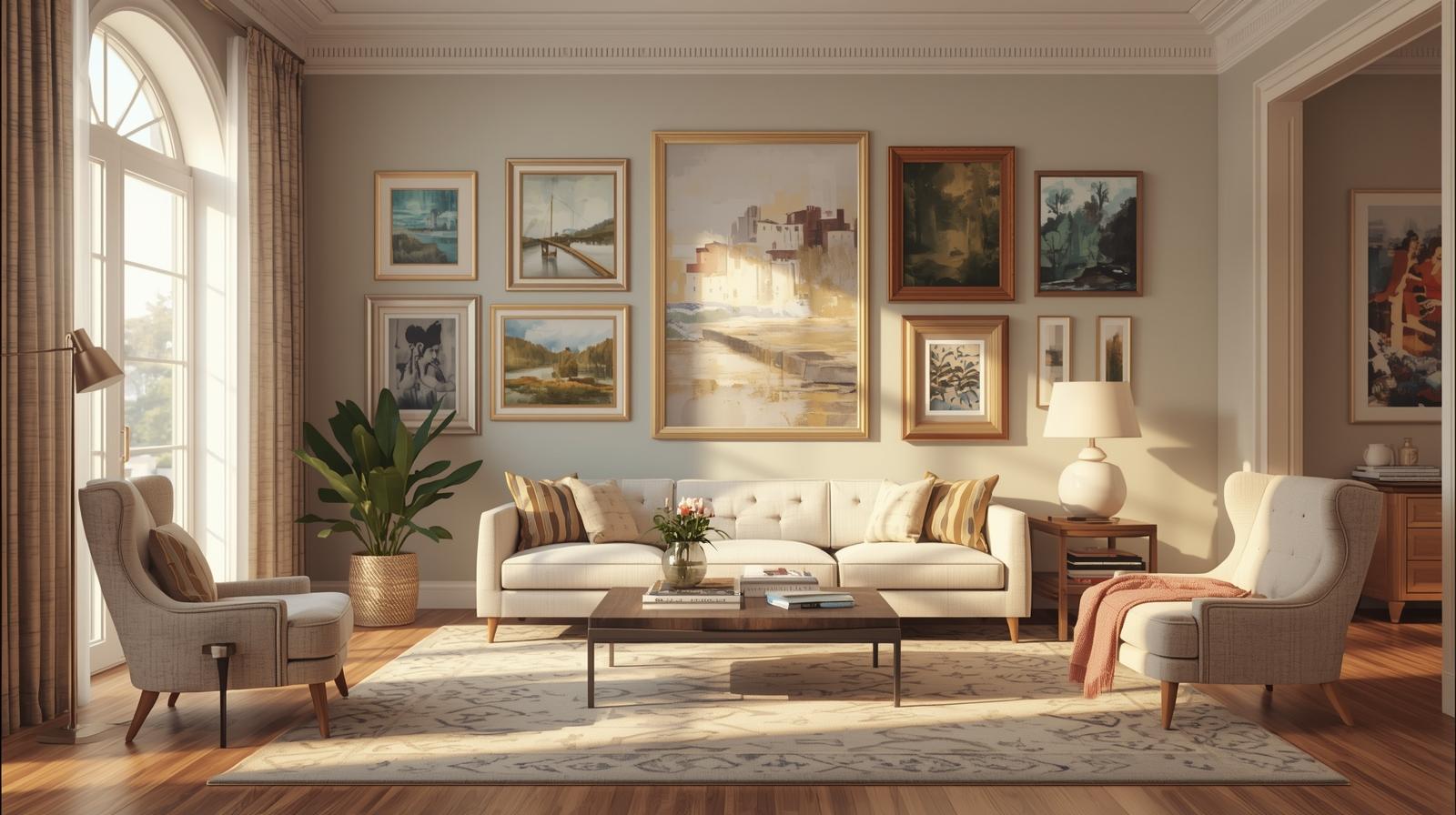
For a harmonious interior, wall art must be integrated thoughtfully with furniture and room layout. Artwork placed above sofas, beds, or consoles should be proportionate to the furniture below, typically spanning around two-thirds of its width for visual balance. Aligning the center of the artwork at eye level creates comfortable viewing and a polished look. In open-plan spaces, large statement art pieces can define functional zones such as dining or lounge areas. In smaller rooms, clustered artwork or gallery walls can add visual interest without overwhelming the space. By aligning art placement with furniture arrangement, designers can achieve a cohesive and well-balanced interior composition
Read More: https://www.wallpics.com/pages/wall-art-prints
The Psychological Influence of Wall Art
Wall art has a profound psychological effect on mood and emotional well-being. Bright and colorful artwork stimulates energy and positivity, making it ideal for living rooms and social spaces. Soft, muted tones promote relaxation and tranquility, perfect for bedrooms and meditation corners. Inspirational quote art can motivate and uplift individuals in workspaces or study areas. Nature-themed artwork evokes calmness and a connection with the outdoors, reducing stress and enhancing comfort. By understanding the psychological impact of colors, themes, and imagery, homeowners can create environments that support emotional health and productivity.
Creating Dynamic Focal Points with Statement Art
Statement wall art is an effective way to create focal points that capture immediate attention. Oversized paintings, bold abstract canvases, or intricate sculptures can serve as the centerpiece of a room’s design. These pieces should be placed strategically on prominent walls, such as behind a sofa, above a bed, or in entryways where they can make a strong first impression. A statement artwork often dictates the room’s color scheme and décor direction, acting as the foundation for other design elements. When used thoughtfully, statement pieces can transform a simple interior into a visually striking and memorable space.
The Art of Mixing and Matching Wall Décor
Mixing different styles, sizes, and frames of wall art can create a layered and visually engaging display. Combining modern prints with vintage frames or pairing photographs with abstract paintings adds depth and character to a gallery wall. The key to successful mixing lies in maintaining a unifying element, such as a consistent color palette or thematic concept. This approach prevents the arrangement from appearing chaotic while still offering creative freedom. Mixing and matching also allows homeowners to evolve their décor over time by adding new pieces without replacing the entire display.
Read More: https://www.wallpics.com/pages/personalized-canvas-prints
Seasonal and Trend-Based Wall Art Updates
Updating wall art seasonally is an effective way to refresh interiors without major renovations. Light and airy artwork suits spring and summer months, while warmer and richer tones complement autumn and winter décor. Trend-based updates, such as incorporating minimalist line art or textured mixed-media pieces, can keep interiors aligned with contemporary design movements. Rotating artwork periodically not only keeps the décor feeling fresh but also allows homeowners to experiment with different styles and moods throughout the year.
Sustainable and Eco-Friendly Wall Art Choices
With increasing awareness of environmental sustainability, eco-friendly wall art has gained popularity. Recycled materials, reclaimed wood frames, and biodegradable canvases are now widely used to create beautiful and sustainable décor pieces. Handmade and locally sourced artwork also supports artisans while reducing environmental impact. Sustainable wall art not only enhances interiors but also reflects responsible design choices that align with modern ecological values. By opting for environmentally conscious materials, homeowners can create stylish spaces while contributing to sustainability efforts.
Frequently Asked Questions (FAQs)
What factors should I consider when choosing wall art?
Consider the room’s color scheme, size, lighting, and overall theme. The artwork should complement the décor while reflecting your personal style and the mood you want to create.
How can I make a gallery wall look organized?
Plan the layout before hanging, maintain consistent spacing between frames, and stick to a cohesive color palette or theme to ensure a balanced and organized appearance.
Is it better to use one large artwork or multiple smaller pieces?
Both options work well depending on the space. A large artwork creates a bold focal point, while multiple smaller pieces offer visual storytelling and layered interest.
How does lighting affect wall art display?
Proper lighting enhances colors, textures, and details of artwork. Accent lights or spotlights can highlight focal pieces, while soft ambient lighting ensures overall visual harmony.
Can wall art be used in every room of the house?
Yes, wall art can be used in every room, including living rooms, bedrooms, kitchens, and hallways. The style and theme should be adapted to suit the function and mood of each space.
Conclusion
Wall art is a transformative design element that adds depth, personality, and visual harmony to any interior. By understanding different types of artwork, placement strategies, and psychological influences, homeowners can create spaces that feel both aesthetically pleasing and emotionally engaging. Whether through statement pieces, personalized displays, or thoughtfully curated gallery walls, wall art enhances the character and ambiance of a room. With careful selection, proper integration, and occasional updates, wall art remains a timeless and versatile tool for elevating interior design and making every space uniquely expressive.