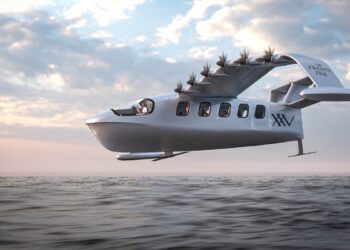
Private aviation is entering a defining transition. For decades, speed, range, and exclusivity defined billionaire travel, while fuel efficiency and emissions remained secondary concerns. That equation is now changing. Rising jet fuel costs, tighter environmental regulations, and growing scrutiny of carbon-intensive luxury travel have pushed electric and hybrid propulsion from a fringe concept into a serious strategic discussion. As a result, Electric & Hybrid Private Jets: The Future of Billionaire Travel is no longer a speculative headline it is an emerging reality shaping boardroom decisions across the aviation ecosystem.
At the same time, today’s ultra-high-net-worth individuals are not willing to trade comfort, privacy, or flexibility for sustainability. They want quieter cabins, seamless global mobility, and aircraft that signal technological leadership rather than regulatory compliance. This has accelerated investment into hybrid-electric business jets, advanced batteries, hydrogen-assisted propulsion, and sustainable private aviation platforms designed specifically for elite travelers.
Against this backdrop, Electric & Hybrid Private Jets: The Future of Billionaire Travel reflects a broader shift toward next-generation private flight one where efficiency, innovation, and prestige coexist. The following analysis explores how electric and hybrid technologies are reshaping private jet design, economics, and long-term ownership for billionaires and aviation investors worldwide.
Why Electric & Hybrid Propulsion Is Gaining Traction in Private Aviation?
The push toward electric and hybrid private jets is not driven by ideology alone. It is rooted in structural changes affecting private aviation globally.
First, fuel volatility has become a persistent issue. Even for billionaires, operating economics matter when fleets scale or aircraft fly frequently. Hybrid-electric propulsion promises measurable reductions in fuel burn, especially on short- and medium-haul missions where private jets operate most often.
Second, regulatory pressure is intensifying. Europe’s emissions trading schemes, airport noise restrictions, and future carbon taxation directly impact private jet operations. Electric & Hybrid Private Jets: The Future of Billionaire Travel offers a pathway to regulatory resilience without sacrificing operational freedom.
Finally, technology has matured. Battery energy density, electric motors, power electronics, and distributed propulsion systems have advanced enough to support real-world aviation use cases, particularly when combined with conventional engines in hybrid configurations.
Understanding Electric vs Hybrid Private Jets
Although often grouped together, electric and hybrid private jets represent distinct technological paths.
Fully electric private jets rely exclusively on battery-powered motors. These aircraft are ultra-quiet, produce zero in-flight emissions, and feature simplified mechanical systems. However, current battery limitations restrict range and payload, making them more suitable for short-haul luxury travel or regional billionaire mobility.
Hybrid-electric private jets, by contrast, combine electric motors with traditional turbofan or turboprop engines. This configuration allows aircraft to use electric power during taxi, climb, or cruise optimization phases while relying on fuel-based propulsion for extended range. Hybrid-electric business jets are widely viewed as the most realistic bridge technology for the next decade.
Together, these approaches define Electric & Hybrid Private Jets: The Future of Billionaire Travel as a phased evolution rather than a sudden disruption.
Key Technologies Powering the Shift
Battery Advancements
Battery technology remains the cornerstone of electric aviation. Lithium-ion improvements, solid-state battery research, and alternative chemistries are increasing energy density while improving safety margins. For private jets, where weight and reliability are critical, even incremental gains unlock new mission profiles.
Hybrid-Electric Architectures
Hybrid systems allow designers to optimize engines for specific flight phases. Distributed electric propulsion reduces drag, improves aerodynamic efficiency, and enables quieter takeoffs—an increasingly valuable feature at noise-sensitive airports.
Hydrogen Concepts
While still experimental, hydrogen fuel cells and hydrogen-assisted turbines are gaining attention in sustainable private aviation. These systems offer higher energy density than batteries and could support longer-range next-generation private flight if infrastructure challenges are solved.
Sustainable Aviation Fuels (SAF)
SAF plays a complementary role. Many hybrid-electric business jets are designed to operate on SAF blends, further reducing lifecycle emissions and aligning with billionaire sustainability commitments.
Electric and Hybrid Private Jet Concepts Overview
| Aircraft Concept | Propulsion Type | Estimated Range | Passenger Capacity | Projected Entry Into Service |
|---|---|---|---|---|
| Electric VTOL Jet | Fully Electric | 300–500 km | 4–6 | 2027–2029 |
| Hybrid Light Jet | Hybrid-Electric | 1,500–2,000 km | 6–8 | 2028–2030 |
| Hybrid Midsize Jet | Hybrid-Electric | 3,000+ km | 8–12 | 2030+ |
| Hydrogen-Hybrid Concept | Hydrogen + Electric | 3,500+ km | 10–14 | Early 2030s |
How Operating Economics Are Changing?
One of the strongest arguments for Electric & Hybrid Private Jets: The Future of Billionaire Travel lies in long-term economics.
Hybrid-electric propulsion can lower fuel consumption by 20–40% depending on mission length. Maintenance costs may also decline due to fewer moving parts in electric systems. Additionally, quieter operations expand airport access, reducing repositioning costs and improving scheduling flexibility.
For fleet owners and aviation investors, these efficiencies compound over time, especially as carbon pricing and noise penalties increase.
Leading Manufacturers and Innovators
Established Aerospace Players
Major business jet manufacturers are investing heavily in hybrid-electric research programs. While few have announced fully electric jets for long-range use, most are quietly integrating electric subsystems into next-generation platforms.
Startups and Disruptors
A wave of aerospace startups is focusing exclusively on electric and hybrid private aviation. These firms benefit from clean-sheet designs, allowing them to rethink aerodynamics, propulsion placement, and cabin architecture without legacy constraints.
Technology Suppliers
Motor manufacturers, battery developers, and power management firms are equally critical. Their innovations often determine whether Electric & Hybrid Private Jets: The Future of Billionaire Travel moves from concept to certified reality.
Challenges That Still Remain
Despite progress, several obstacles must be addressed.
Range limitations remain the most significant constraint, particularly for transcontinental and intercontinental billionaire travel.
Certification hurdles are complex, as regulators must adapt safety standards to novel propulsion systems.
Charging and fueling infrastructure is uneven globally, especially outside Europe and North America.
Energy density constraints mean trade-offs between payload, range, and performance persist.
However, hybrid-electric business jets mitigate many of these issues, reinforcing their role as the near-term solution.
Ownership and Sustainability Considerations
| Factor | Electric Jets | Hybrid Private Jets |
|---|---|---|
| Operating Costs | Very low (short range) | Moderately reduced |
| Emissions Reduction | Near-zero in flight | 20–60% reduction |
| Infrastructure Needs | High (charging) | Moderate |
| Long-Term Value | High sustainability appeal | Strong resale flexibility |
| Mission Flexibility | Limited | High |
Why Billionaires Are Paying Attention?
Beyond economics and regulation, image matters. Electric & Hybrid Private Jets: The Future of Billionaire Travel aligns with a broader narrative of responsible leadership and technological foresight. For high-profile individuals, next-generation private flight is as much about signaling innovation as it is about efficiency.
Moreover, early adopters often gain preferential access to limited-production aircraft and influence design decisions tailored to elite preferences.
The Future Beyond 2026
Looking ahead, Electric & Hybrid Private Jets: The Future of Billionaire Travel represents more than a technological upgrade it signals a structural shift in elite global mobility. As batteries improve, hydrogen matures, and infrastructure expands, electrification will gradually redefine what private aviation looks like.
By the early 2030s, hybrid-electric business jets are likely to become standard for new deliveries, while fully electric aircraft dominate regional luxury travel. For billionaires and aviation investors, embracing this transition early offers not only environmental credibility but also long-term strategic advantage.
Frequently Asked Questions (FAQ)
Are electric private jets realistic for billionaire travel?
Yes, for short-haul and regional missions. Fully electric jets are best suited for specific use cases, while hybrid models cover broader needs.
Are hybrid-electric business jets safe?
Hybrid systems undergo rigorous certification. Redundant propulsion architectures can enhance safety rather than reduce it.
When will electric and hybrid private jets be widely available?
Early models are expected between 2027 and 2030, with broader adoption in the early 2030s.
Will range limitations affect long-distance travel?
Hybrid jets largely eliminate this issue, while electric-only aircraft remain range-limited.
Do these jets compromise luxury or comfort?
No. Many designs improve cabin quietness and air quality, enhancing the private travel experience.