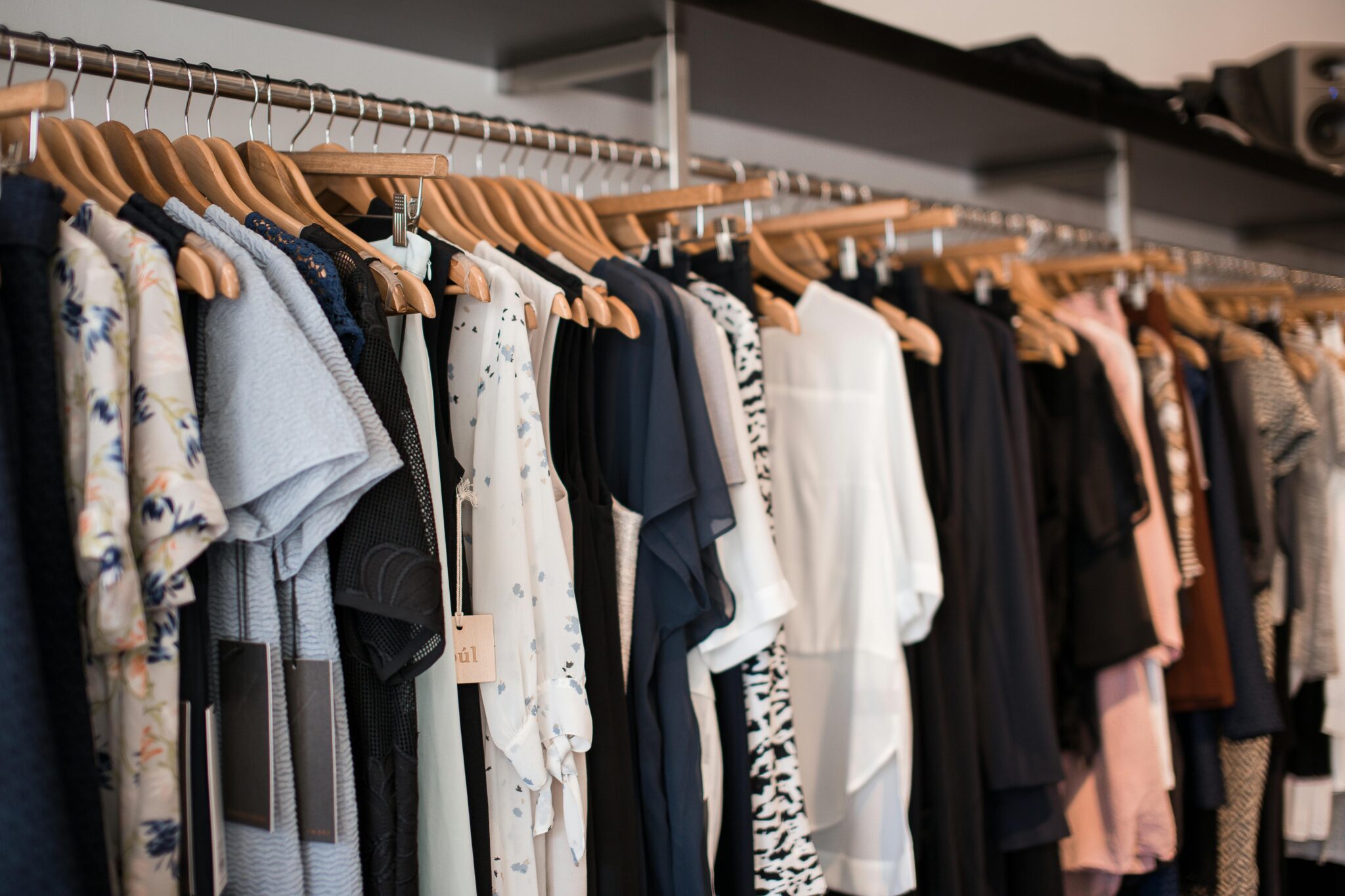
Polyester has become one of the most widely used fabrics in the fashion industry because it is affordable, durable, lightweight, and easy to care for. However, conventional polyester is made from fossil fuels and can contribute to environmental concerns, including greenhouse gas emissions and microfiber pollution. As consumers become more conscious of the environmental impact of their clothing, interest in more sustainable fabric alternatives is growing.
Choosing the right alternative depends on factors such as durability, production methods, comfort, biodegradability, and how the material is processed. Here are some popular options to consider.
Organic Cotton
Organic cotton is a natural fiber grown without many of the synthetic pesticides and fertilizers used in conventional cotton farming. It is soft, breathable, and suitable for everyday clothing such as T-shirts, shirts, dresses, and casual trousers.
Although organic cotton still requires significant amounts of water and land, responsible farming practices can reduce some environmental impacts. Choosing certified organic cotton and garments designed for long-term use can make it a better option than many conventional synthetic fabrics.
Hemp
Hemp is a durable plant fiber that requires relatively few agricultural inputs compared with many other crops. Hemp fabric is breathable, strong, and naturally suited to warm-weather clothing.
With proper processing, hemp can be used for shirts, trousers, jackets, dresses, and other garments. Its durability is particularly valuable for sustainable fashion because longer-lasting clothing generally needs to be replaced less frequently.
Linen
Made from the flax plant, linen is a lightweight and breathable natural fabric. It is particularly popular for summer clothing because it allows air to circulate and absorbs moisture effectively.
Linen can have a naturally textured appearance that gives clothing a relaxed and timeless look. High-quality linen can also become softer with use, making it a good choice for garments intended to last for many years.
Tencel and Lyocell
Lyocell, including the widely known Tencel brand, is a regenerated cellulose fiber generally produced from wood pulp. Modern lyocell production can use a closed-loop process that recovers and reuses much of the solvent involved in manufacturing.
The resulting fabric is soft, breathable, and comfortable against the skin. It is commonly used in dresses, shirts, underwear, trousers, and other lightweight garments.
The sustainability of lyocell still depends on the source of the wood and the manufacturing process, so responsibly sourced and properly certified materials are preferable.
Recycled Polyester
Although it is still polyester, recycled polyester can be a useful alternative to virgin polyester in certain applications. It is commonly produced from recycled plastic materials such as used PET bottles or discarded polyester textiles.
Recycled polyester can reduce the demand for new petroleum-based raw materials and give existing plastic materials another use. However, it remains a synthetic fiber and can still contribute to microfiber pollution. For this reason, recycled polyester is better viewed as a way to reduce the impact of polyester rather than a completely natural alternative.
Recycled and Regenerated Fibers
The fashion industry is also developing fabrics made from recycled textile waste and regenerated fibers. These approaches aim to keep existing materials in circulation rather than relying entirely on newly extracted resources.
The environmental benefits vary considerably depending on the technology, energy sources, chemicals, and waste-management systems involved. Consumers should therefore look beyond labels such as “recycled” and consider how the fabric was actually produced.
Wool
Wool is a natural animal fiber known for warmth, durability, and resistance to odors. It can be used for sweaters, coats, suits, trousers, and other garments designed for cooler weather.
Wool can be long-lasting and, under appropriate conditions, biodegradable. However, its environmental footprint depends on factors such as livestock farming, land use, animal welfare, processing, and transportation. Responsible sourcing and recognized certifications can help consumers make more informed choices.
Choosing the Best Alternative
There is no single fabric that is automatically the most sustainable choice for every garment. The best option depends on how the clothing will be used and how long it is likely to remain in use.
When shopping for sustainable fashion, consider:
- Durability: Choose materials that can withstand regular wear and washing.
- Longevity: A garment that lasts for years can be more sustainable than one that quickly needs replacing.
- Production: Look for responsible sourcing and transparent manufacturing practices.
- Certifications: Relevant environmental and social certifications can provide additional information about a material’s production.
- Care requirements: Fabrics that can be washed efficiently and do not require excessive care may have lower impacts during their use phase.
- End of life: Consider whether the garment can be repaired, reused, resold, recycled, or composted under appropriate conditions.
The Most Sustainable Choice: Wear Clothes Longer
Replacing polyester with another fabric is only one part of sustainable fashion. Buying fewer clothes, choosing durable designs, repairing damaged garments, shopping secondhand, and wearing clothing for longer can all reduce the environmental impact of a wardrobe.
Instead of searching for a perfect fabric, consumers can focus on making thoughtful choices throughout a garment’s life cycle. Natural fibers such as organic cotton, hemp, and linen can be useful alternatives, while responsibly produced regenerated and recycled fibers can also play an important role.
Ultimately, sustainable fashion is less about finding one perfect material and more about buying thoughtfully, choosing durable clothing, caring for it properly, and keeping garments in use for as long as possible.