Choosing the right clothing can make a major difference when temperatures rise and humidity makes the air feel heavy. In hot and humid climates, the wrong fabric can trap heat, hold moisture against the skin, and leave you feeling uncomfortable throughout the day. The right materials, on the other hand, can improve airflow, manage moisture, and help you stay cooler.
Understanding the best breathable fabrics for hot and humid climates makes it easier to build a comfortable summer wardrobe. From lightweight linen and cotton to moisture-managing blends, different fabrics offer different benefits depending on your lifestyle and the conditions around you.
What Makes a Fabric Breathable?
Breathability refers to a fabric’s ability to allow air and moisture vapor to move through it. In warm weather, this can help heat escape from the body and make clothing feel less stuffy.
Several factors affect how breathable clothing feels, including fiber type, fabric construction, thickness, weave, weight, and fit.
A lightweight, loosely woven fabric will generally allow more airflow than a heavy, tightly constructed material. However, breathability does not depend solely on whether a fabric is natural or synthetic. The specific construction and intended use of a garment also matter.
Why Fabric Choice Matters in Humid Weather
Humidity makes it harder for sweat to evaporate naturally. When moisture remains on the skin, clothing can feel damp and uncomfortable.
Choosing breathable clothing can help improve airflow around the body. Lightweight fabrics may also dry more quickly, depending on their fiber and construction.
For people living in or traveling to tropical and subtropical regions, fabric choice can therefore be just as important as choosing the right style.
1. Linen
Linen is one of the most popular fabrics for hot climates.
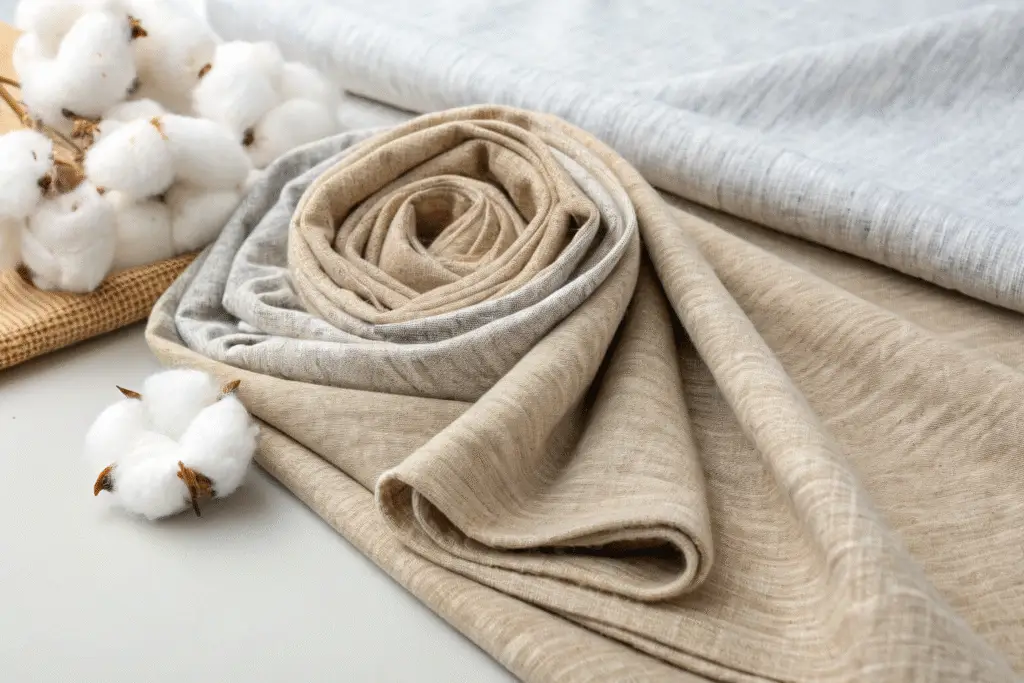
Made from flax fibers, linen is known for its lightweight feel and excellent airflow. Its natural texture and relatively loose construction can make it comfortable during hot weather.
Linen shirts, trousers, dresses, skirts, and lightweight jackets are particularly useful for summer wardrobes.
One drawback is that linen wrinkles easily. However, many people consider its relaxed texture part of its appeal.
For extremely humid environments, lightweight linen can be an excellent choice for casual and semi-formal clothing.
2. Cotton
Cotton is another widely used fabric for warm-weather clothing.
Lightweight cotton can feel soft and comfortable against the skin while allowing reasonable airflow. It is available in numerous constructions, including poplin, voile, lawn, muslin, and lightweight jersey.
For hot weather, look for lightweight cotton garments rather than thick or heavily constructed cotton fabrics.
One consideration is moisture retention. Cotton can absorb sweat, but it may take longer to dry than some moisture-wicking synthetic fabrics. This means lightweight cotton can be excellent for everyday casual wear but may not always be ideal for intense physical activity in very humid conditions.
3. Seersucker
Seersucker is a lightweight cotton fabric recognized by its distinctive puckered texture.
Because the fabric does not sit completely flat against the skin, small air spaces can form between the material and the body. This can contribute to a cooler, more comfortable feel.
Seersucker is often used for summer shirts, dresses, shorts, and suits.
Its textured appearance also gives clothing a relaxed seasonal aesthetic that works well for warm-weather wardrobes.
4. Chambray
Chambray is a lightweight woven fabric that can resemble denim but is generally much lighter.
It is commonly made from cotton and can provide a more breathable alternative to traditional denim. Lightweight chambray shirts are especially useful in warm climates because they offer the appearance of denim without the same heaviness.
Pair a chambray shirt with lightweight trousers or shorts for a casual summer outfit.
5. Rayon and Viscose
Rayon and viscose fabrics are often valued for their soft texture and fluid drape.
Lightweight versions can feel comfortable in warm weather, particularly when used in loose-fitting shirts, dresses, skirts, and trousers.
However, performance varies significantly depending on the specific fabric construction. Some rayon and viscose garments may absorb moisture and dry slowly, so they should not automatically be considered ideal for every humid environment.
Look for lightweight constructions and garments designed specifically for warm-weather use.
6. Tencel and Lyocell
Lyocell, including Tencel-branded lyocell fibers, is used in many contemporary clothing collections.
These fabrics are known for their smooth feel and attractive drape. Lightweight lyocell garments can be comfortable in warm conditions and are often used for shirts, dresses, trousers, and casual separates.
As with other fabrics, performance depends on the weight and construction of the finished garment.
7. Hemp
Hemp fabric is increasingly used in warm-weather clothing.
Hemp fibers can produce durable fabrics with a natural texture, and lightweight hemp garments can offer good airflow. Hemp is often blended with cotton or other fibers to create softer and more versatile fabrics.
Hemp shirts, trousers, dresses, and casual tops can work well in a summer wardrobe, especially for people who prefer natural-textured materials.
8. Merino Wool for Certain Conditions
Wool may not be the first fabric that comes to mind when thinking about hot weather, but lightweight merino wool can be useful in specific situations.
Fine merino fibers can help manage moisture and temperature, making lightweight merino garments useful for travel, outdoor activities, and variable climates.
The key is choosing lightweight clothing specifically designed for warm conditions. Heavy wool garments are obviously unsuitable for hot and humid weather.
9. Lightweight Performance Fabrics
Synthetic fabrics such as polyester and nylon are commonly used in athletic and performance clothing.
Modern performance fabrics can be engineered to move moisture away from the skin, dry quickly, and provide ventilation. These properties can make them useful for exercise and outdoor activities in hot weather.
However, not all synthetic fabrics are equally breathable. A lightweight, moisture-managing athletic shirt may perform very differently from a heavy polyester garment.
For physical activity, look for clothing specifically designed for moisture management and ventilation.
Breathability vs. Moisture Wicking
These two terms are often used interchangeably, but they describe different characteristics.
Breathability refers to how easily air and moisture vapor can pass through a fabric.
Moisture wicking refers to a fabric’s ability to move liquid moisture, such as sweat, away from the skin.
A fabric can be breathable without being highly moisture-wicking, and vice versa.
For everyday hot-weather clothing, airflow and lightweight construction may be priorities. For exercise, moisture management and quick drying can become more important.
Choose Loose and Comfortable Fits
Fabric is only one part of staying comfortable in hot weather.
Fit also matters. Loose-fitting clothing generally allows more air to circulate around the body than tight garments.
Flowing linen trousers, relaxed cotton shirts, loose dresses, and wide-leg pants can be particularly comfortable during hot and humid weather.
This does not mean every garment needs to be oversized. The goal is to avoid unnecessary restriction and allow sufficient airflow.
Colors Matter Too
Light-colored clothing can be useful in sunny environments because it generally absorbs less visible sunlight than darker colors.
White, cream, beige, light blue, and pastel shades are popular choices for summer wardrobes.
However, color is only one factor. A lightweight black linen shirt may still feel more comfortable than a heavy white synthetic garment.
Fabric, construction, fit, and environmental conditions all contribute to comfort.
Fabrics to Approach With Caution
Some fabrics may be less comfortable in hot and humid conditions.
Heavy denim, thick fleece, dense wool, and heavily layered synthetic materials can trap heat and restrict airflow.
This does not mean these fabrics can never be worn in warm weather. Instead, consider lightweight versions, appropriate garment construction, and the activity you will be doing.
For example, lightweight denim may be manageable for a short outing, while heavy denim can become uncomfortable during extended exposure to high temperatures.
Best Clothing Choices for Humid Weather
A practical hot-weather wardrobe can include lightweight linen shirts, breathable cotton T-shirts, relaxed trousers, loose dresses, lightweight shorts, airy skirts, and breathable performance clothing for exercise.
Choose pieces that fit comfortably and allow air to circulate.
It is also useful to consider the entire outfit rather than a single garment. Layering a heavy jacket over a breathable shirt can still create an uncomfortable experience in high humidity.
How to Care for Breathable Fabrics
Proper care helps breathable clothing maintain its performance and appearance.
Always check the garment’s care label before washing. Avoid using unnecessarily high temperatures if the fabric requires gentle care, and allow garments to dry according to their specific instructions.
Linen and cotton may shrink under certain washing conditions, while delicate fabrics may require special handling.
Proper storage is also important. Make sure clothing is completely dry before putting it away, particularly in humid environments.
Final Thoughts
The best breathable fabrics for hot and humid climates are generally lightweight, comfortable, and appropriate for the activity and environment. Linen, lightweight cotton, seersucker, chambray, hemp, lyocell, and specialized performance fabrics can all have a place in a warm-weather wardrobe.
There is no single perfect fabric for everyone. Someone spending a day at the beach may prefer loose linen, while someone exercising outdoors may benefit from lightweight moisture-managing performance clothing.
Ultimately, focus on fabric weight, airflow, moisture management, fit, and comfort rather than choosing a material based solely on its name. With the right clothing choices, it is possible to stay comfortable, stylish, and prepared even when temperatures and humidity are high.