Vintage fashion is more than just clothing; it expresses individuality, preserves history, and embraces timeless styles. Whether you’re drawn to the elegance of the 1920s, the rock-and-roll vibe of the 1950s, or the bold prints of the 1980s, vintage fashion offers something for everyone.
However, incorporating vintage pieces into your wardrobe can feel daunting if you’re new to the scene. This beginner’s guide will help you navigate the world of vintage clothing and show you how to style it effortlessly.
What Is Vintage Fashion?
Vintage fashion refers to clothing and accessories created 20 to 100 years ago, often reflecting the trends of their time. These pieces are cherished for their quality craftsmanship, unique designs, and nostalgic charm. Anything over 100 years is typically considered antique, while items less than 20 years old are usually classified as retro or second-hand.
Why Choose Vintage Fashion?
- Sustainability: Buying vintage reduces waste and promotes recycling, making it an eco-friendly choice.
- Unique Style: Vintage pieces stand out in a world dominated by fast fashion, ensuring your outfit is one-of-a-kind.
- Quality Materials: Many vintage garments were made with superior materials and construction, ensuring they last longer.
- Connection to History: Each vintage item has a story, connecting you to the past.
How to Start Your Vintage Fashion Journey
- Determine Your Style Inspiration: Identify the era that speaks to you the most. Is it the flapper dresses of the 1920s, the pin-up looks of the 1950s, or the boho vibes of the 1970s? Research the trends, silhouettes, and fabrics of that time to guide your choices.
- Start Small: Begin with accessories like hats, scarves, or jewelry. These items are easy to incorporate into modern outfits and add a touch of vintage charm without overwhelming your look.
- Visit Thrift Stores and Vintage Shops: Explore local thrift shops, flea markets, and vintage boutiques. Don’t be afraid to dig through racks or ask storeowners for recommendations—they’re often passionate about the history behind their items.
- Shop Online: Websites like Etsy, eBay, and specialized vintage stores offer a wide selection of authentic pieces. Look for sellers with good reviews and clear descriptions of the item’s condition and era.
- Check the Quality: Inspect garments for signs of wear, such as holes, stains, or weak seams. Minor flaws can often be repaired, but make sure the piece is worth the effort.
Tips for Styling Vintage Fashion
- Mix Vintage with Modern: Avoid looking like you’re wearing a costume by pairing vintage pieces with contemporary clothing. For example:
- Wear a vintage blouse with skinny jeans.
- Add a leather jacket to a 1950s circle skirt.
- Pair vintage brooches with a modern blazer.
- Choose Timeless Colors and Patterns: Neutral tones and classic patterns like polka dots, stripes, and florals are easier to style and blend seamlessly into your wardrobe.
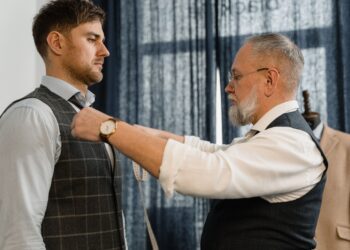
- Tailor to Fit: Vintage sizing can be very different from modern sizing. If you find a piece you love that doesn’t fit perfectly, consider having it tailored. A well-fitted garment can transform your entire look.
- Accessorize Thoughtfully: Accessories are key to pulling off a vintage-inspired outfit. Think pearl necklaces for a 1920s look, cat-eye sunglasses for a 1950s vibe, or chunky jewelry for a 1980s aesthetic.
- Embrace Layers: Layering is a great way to adapt vintage pieces to different seasons. Pair a vintage dress with a modern turtleneck in winter or layer a vintage cardigan over a summer outfit.
- Confidence is Key: The most important aspect of styling vintage fashion is wearing it with confidence. If you feel good in your outfit, it will show.
Caring for Your Vintage Pieces
- Store Properly: Use padded hangers for delicate garments and store items in a cool, dry place to prevent damage.
- Hand Wash or Dry Clean: Many vintage fabrics are delicate and require gentle cleaning. Always check the care label or consult a professional cleaner if you’re unsure.
- Repair and Maintain: Fix small issues like loose buttons or tiny tears promptly to keep your vintage pieces in top condition.
Avoiding Common Vintage Fashion Mistakes
- Overdoing It: Wearing too many vintage items at once can make your outfit look costumey.
- Ignoring Fit: A poorly fitted garment can ruin even the most beautiful piece.
- Forgetting Modern Trends: Incorporate current trends to keep your look fresh and relatable.
Building a Vintage Wardrobe
- Invest in Staples: Start with versatile pieces like a vintage blazer, a little black dress, or classic denim. These can be mixed and matched with modern items.
- Experiment with Eras: Don’t limit yourself to one decade. Mixing styles from different eras can create a unique and eclectic look.
- Focus on Quality Over Quantity: It’s better to have a few high-quality vintage pieces than a wardrobe full of poorly made ones.
Final Thoughts
Wearing vintage fashion is a delightful way to express your personality, honor the past, and contribute to a more sustainable future. With a little research, patience, and creativity, you can build a wardrobe that’s both timeless and trend-setting. So, start exploring, experiment with styles, and let your vintage journey begin!
More related articles:
Embracing Sartorial Sophistication with Bugatchi
Dudley Rayborn – The Bespoke Custom Clothier for Discerning Clients