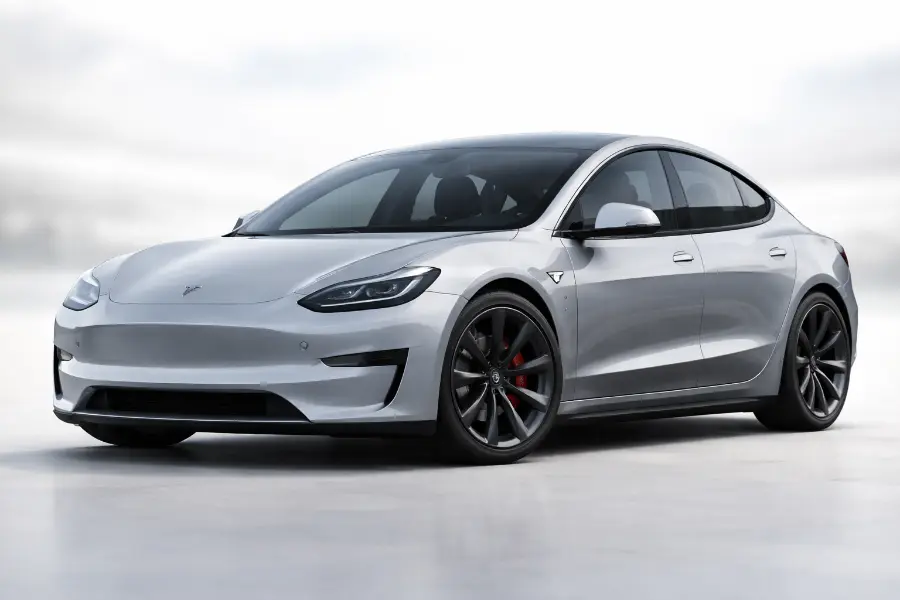
The 2026 Tesla Model 3 continues to define what a modern electric sedan should be, combining efficiency, performance, and cutting-edge technology into a highly competitive package. As the EV market becomes increasingly crowded, Tesla’s strategy has shifted toward refining its best-selling model while adjusting pricing to maintain dominance. The result is a more accessible yet still premium offering that appeals to a broader audience.
Moreover, the latest iteration reflects Tesla’s response to rising global competition and evolving consumer expectations. With improved trim structure, updated pricing tiers, and enhanced usability, the 2026 Tesla Model 3 positions itself as both a practical daily driver and a performance-oriented electric vehicle.
However, while the car excels in range, acceleration, and charging infrastructure, it also faces criticism for its minimalist interior and firm ride quality. This review breaks down everything—from specs and trims to real-world usability using the focus keyword 2026 Tesla Model 3 naturally throughout.
Overview of the 2026 Tesla Model 3 in the EV Market
The 2026 Tesla Model 3 remains one of the most influential electric vehicles globally. Manufactured by Tesla, the Model 3 has consistently set benchmarks in affordability, range, and performance within the EV segment.
Consequently, Tesla has refined the Model 3 rather than reinventing it. The 2026 version builds upon the “Highland” refresh, emphasizing efficiency gains, improved cabin insulation, and a more structured trim lineup. This evolution allows Tesla to compete directly with emerging rivals while retaining its core identity.
Moreover, the EV market now includes strong competitors like Hyundai Ioniq 6 and BMW i4. Despite this, the Model 3 continues to lead due to its charging network and software ecosystem.
What’s New for 2026?
Tesla has introduced several notable updates to the 2026 Tesla Model 3, focusing on accessibility and clarity.
Firstly, the return of a more affordable Standard RWD trim marks a strategic shift. This entry-level option lowers the cost of Tesla Model 3, making it more appealing to budget-conscious buyers.
Secondly, Tesla has simplified its naming structure:
- Standard RWD
- Premium RWD
- Premium AWD
- Performance
This streamlined lineup replaces previous confusing naming conventions like “Long Range” and improves consumer understanding.
Additionally, minor software enhancements, better noise insulation, and subtle suspension tuning contribute to a more refined driving experience. Therefore, while not a complete redesign, the 2026 update is highly practical and market-focused.
Trim Levels, Pricing, and Key Specs
The tesla model 3 price varies depending on the trim level and configuration. Tesla has strategically priced the lineup to remain competitive while preserving premium appeal.
Trim Level vs Price & Key Specs
| Trim Level | Starting Price (USD) | Range (Miles) | 0–60 mph | Drivetrain |
|---|---|---|---|---|
| Standard RWD | ~$38,000 | ~321 | ~5.8 sec | RWD |
| Premium RWD | ~$42,000 | ~340 | ~5.2 sec | RWD |
| Premium AWD | ~$48,000 | ~363 | ~4.2 sec | AWD |
| Performance | ~$56,000+ | ~330 | ~2.8 sec | AWD |
The tesla car price model 3 structure shows Tesla’s effort to cover multiple segments—from entry-level EV buyers to performance enthusiasts.
Moreover, the tesla 3 price remains competitive when compared to similarly equipped electric sedans, especially considering Tesla’s ecosystem advantages.
Performance and Driving Experience
Performance remains a defining characteristic of the 2026 Tesla Model 3.
The Performance variant delivers exceptional acceleration, reaching 0–60 mph in approximately 2.8 to 2.9 seconds. This level of speed rivals high-end sports cars, making it one of the quickest sedans in its category.
Furthermore, all trims benefit from:
- Instant electric torque
- Low center of gravity due to battery placement
- Balanced weight distribution
As a result, the Model 3 feels stable and responsive, particularly during cornering. However, the ride quality leans toward the firm side, which may not appeal to all drivers.
Therefore, while the car excels in agility and speed, comfort remains a trade-off—especially on rough roads.
Range and Efficiency
Range is one of the strongest selling points of the 2026 Tesla Model 3.
The lineup offers an estimated range between ~321 and ~363 miles, depending on the variant. The tesla model 3 long range (now Premium AWD) continues to be the most practical choice for long-distance drivers.
Moreover, Tesla’s efficiency improvements ensure that real-world performance closely matches official estimates. This is particularly important for daily commuting and road trips.
Consequently, the Model 3 remains one of the most efficient electric sedans available, outperforming many competitors in energy consumption per mile.
Interior, Technology, and Comfort
The interior of the 2026 Tesla Model 3 reflects Tesla’s signature minimalist philosophy.
At the center of the cabin is a large touchscreen that controls nearly all vehicle functions. Additionally, Tesla has introduced a rear passenger display, enhancing convenience for back-seat occupants.
Key interior highlights include:
- Minimalist dashboard design
- Premium materials in higher trims
- Improved cabin quietness
- Wireless connectivity and software updates
However, the lack of physical controls can be frustrating for some users. Tasks like adjusting mirrors or climate settings require touchscreen interaction, which may distract drivers.
Nevertheless, Tesla’s software ecosystem remains unmatched, offering frequent updates and advanced features that improve over time.
Charging and Infrastructure
Charging is where Tesla maintains a clear advantage.
The 2026 Tesla Model 3 benefits from access to the extensive Tesla Supercharger network, enabling convenient long-distance travel. Fast charging allows the battery to go from approximately 10% to 90% in about 40 minutes.
Moreover, Tesla’s navigation system automatically integrates charging stops, optimizing routes based on battery levels and traffic conditions.
Therefore, range anxiety is significantly reduced compared to many other EVs, making the Model 3 a practical choice for both urban and highway driving.
Safety and Driver Assistance
Tesla continues to prioritize safety in the 2026 Tesla Model 3.
The vehicle includes:
- Advanced driver assistance systems
- Automatic emergency braking
- Lane-keeping assist
- Adaptive cruise control
Additionally, Tesla’s optional Full Self-Driving (FSD) package adds more advanced automation features, although it still requires driver supervision.
Consequently, the Model 3 remains one of the safest vehicles in its class, supported by strong crash test ratings and continuous software improvements.
Comparison with Competitors
The EV market has become increasingly competitive, with several strong alternatives to the Model 3.
Tesla Model 3 vs Competitors
| Model | Starting Price | Range (Miles) | 0–60 mph |
|---|---|---|---|
| Tesla Model 3 | ~$38,000 | 321–363 | 2.8–5.8 sec |
| Hyundai Ioniq 6 | ~$41,000 | ~361 | ~5.1 sec |
| BMW i4 | ~$52,000 | ~300 | ~3.7 sec |
The model 3 stands out due to its balance of price, performance, and charging infrastructure.
However, competitors offer advantages such as:
- More traditional interiors
- Softer ride quality
- Premium brand appeal (in the case of BMW)
Therefore, while Tesla leads in technology and efficiency, rivals are closing the gap in comfort and design.
Read also: 2026 Lexus GX Review: Specs & Pricing Explained
Pros and Cons
Pros
- Exceptional acceleration and performance
- Competitive tesla model 3 price
- Industry-leading range and efficiency
- Extensive Supercharger network
- Advanced software and updates
Cons
- Minimal physical controls
- Firm ride quality
- Pricing fluctuations depending on market
- Interior design may feel too simplistic
Market Trends and Tesla’s Strategy
The 2026 Tesla Model 3 reflects broader trends in the EV industry.
Tesla has lowered entry pricing by reintroducing base trims, making EV ownership more accessible. This strategy is crucial as global competition intensifies.
Moreover, governments worldwide are encouraging EV adoption through incentives, further boosting demand. However, manufacturers like Hyundai, BMW, and others are rapidly improving their offerings.
Therefore, Tesla’s focus on affordability, efficiency, and infrastructure ensures that the Model 3 remains a dominant force despite increasing competition.
Conclusion
The 2026 Tesla Model 3 continues to set the benchmark for electric sedans. With improved pricing, refined trims, and strong performance metrics, it offers a compelling package for a wide range of buyers.
While it is not without flaws—particularly in ride comfort and interior usability—the Model 3 excels in areas that matter most: range, acceleration, and charging convenience.
Consequently, whether you are a first-time EV buyer or a performance enthusiast, the 2026 Tesla Model 3 remains one of the most well-rounded electric vehicles on the market.
FAQs
1. What is the starting price of the 2026 Tesla Model 3?
The starting price is approximately $38,000 for the Standard RWD trim, making it one of the more affordable EV options.
2. What is the range of the 2026 Tesla Model 3?
The range varies between ~321 and ~363 miles depending on the trim level.
3. How fast is the Tesla Model 3 Performance?
The Performance version can accelerate from 0–60 mph in about 2.8 to 2.9 seconds.
4. Is the Tesla Model 3 good for long trips?
Yes, thanks to its long range and access to the Tesla Supercharger network, it is highly suitable for long-distance travel.
5. What are the main competitors of the Tesla Model 3?
Key competitors include the Hyundai Ioniq 6 and BMW i4.
6. Does the Tesla Model 3 have self-driving features?
It includes advanced driver assistance systems, with optional Full Self-Driving features available.
7. Is the interior comfortable?
The interior is modern and minimalist, but the firm ride and lack of physical controls may not suit everyone.