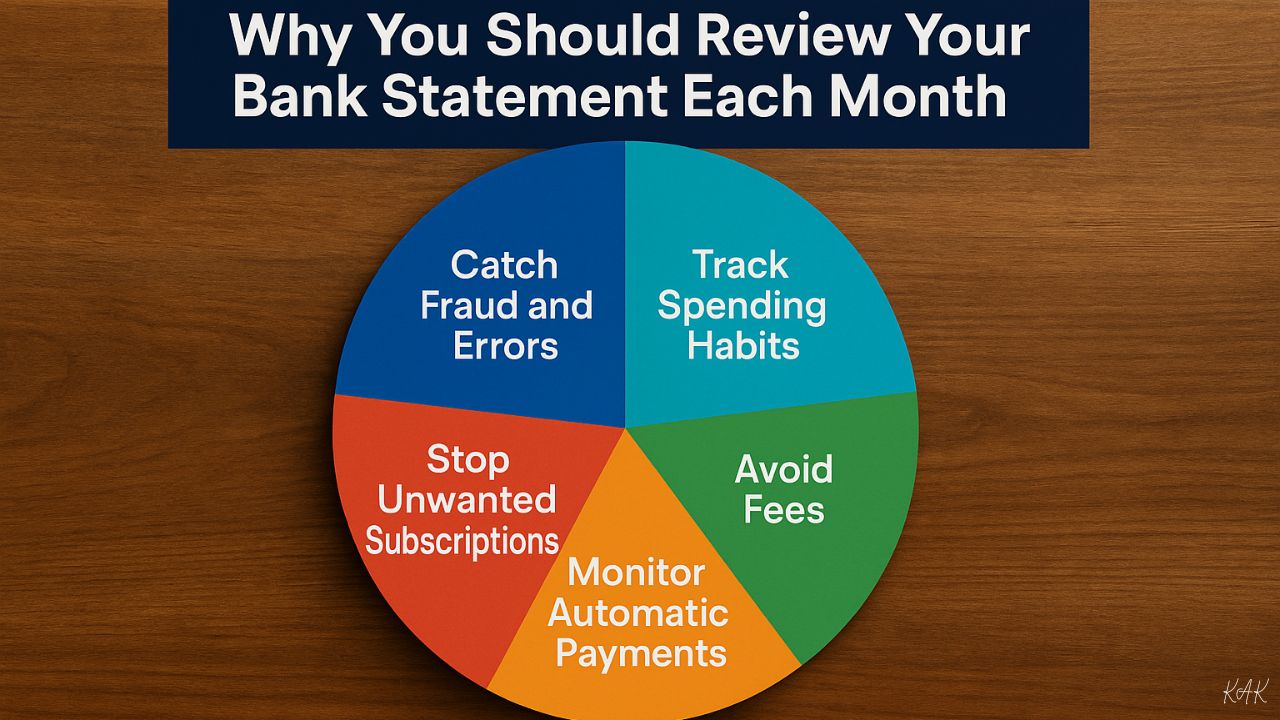
In a world full of investment portfolios, crypto wallets, and high-yield savings accounts, reviewing your bank statement might sound like financial table scraps. But here’s a reality check: if you want to build lasting wealth, protect yourself from fraud, and sharpen your financial IQ, there’s one underrated habit you should never skip — reviewing your bank statement every month.
At ImpactWealth.org, where long-term financial health meets conscious decision-making, we believe that personal finance isn’t just about making money — it’s about owning your money story, line by line. So let’s explore why this simple monthly habit is a power move, not just paperwork.
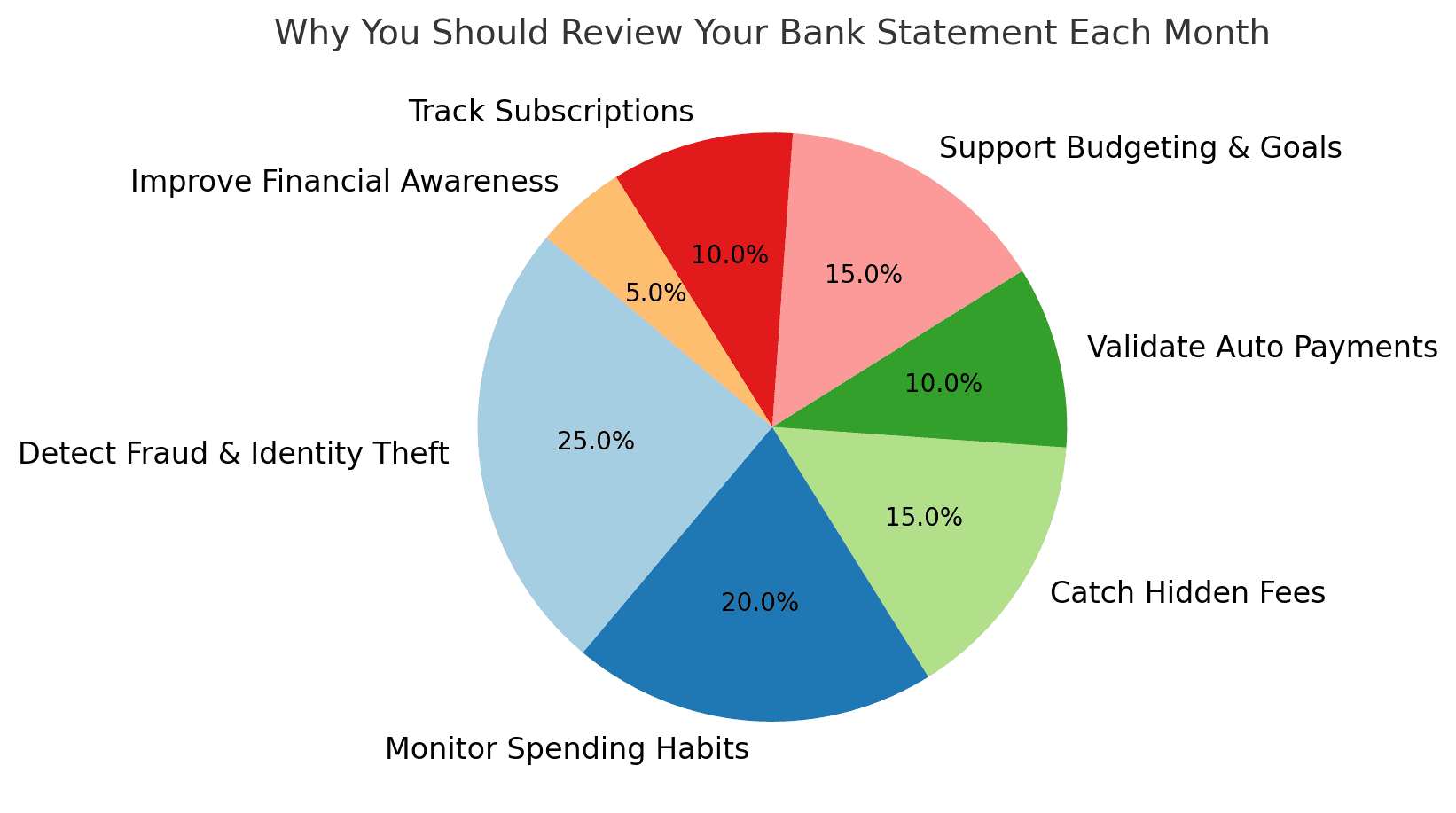
1. Fraud and Identity Theft Don’t Take Vacations
In the digital age, you’re just one password leak away from someone spending your money without your knowledge. While your bank may have fraud protection in place, many people don’t notice unauthorized charges until it’s too late often because they never look.
Monthly reviews help you:
-
Catch unfamiliar transactions quickly
-
Dispute charges while you’re still within your bank’s reporting window
-
Detect potential phishing or ATM skimming activity
Real-world stat: According to Javelin Strategy, identity theft losses hit $43 billion in 2022. The sooner you notice fraud, the more likely you are to recover the funds.
2. Curb the “Death by a Thousand Cuts” Spending
How many of us have that one subscription we meant to cancel… six months ago?
Reviewing your statement reveals:
-
Forgotten subscriptions eating $5 to $20/month
-
Duplicate or redundant charges
-
Apps or platforms you no longer use but still pay for
That $7.99 monthly charge might seem small — until it’s quietly cost you $96 a year for nothing.
3. Reveal Hidden Fees and Bank Charges
Banks are in the business of making money, and often that means charging fees you didn’t notice — until your balance dips unexpectedly.
By checking your statement, you can uncover:
-
Monthly service charges
-
Minimum balance penalties
-
Overdraft fees
-
ATM and transaction charges
Pro Tip: If you spot a fee and you’re a loyal or high-balance customer, many banks will reverse it, but only if you catch it and ask.
4. Strengthen Your Financial Awareness
Reviewing your bank statement is like taking a monthly x-ray of your financial health. It trains your spending awareness, helping you:
-
Understand your real spending habits
-
See where your money is going (vs. where you think it’s going)
-
Re-align with your monthly budget goals
This awareness is the first step toward better control. Once you understand your flow of money, you can redirect it more intentionally, into savings, investments, or debt reduction.
5. It’s a Wealth-Building Audit Trail
For professionals, entrepreneurs, and investors, your bank statement is more than a financial summary — it’s a record of:
-
Business deductions for tax purposes
-
Cash inflows like dividends or contract payments
-
Spending patterns that can inform business or personal investment decisions
Whether you’re working with an accountant, applying for a mortgage, or reconciling business expenses, having a clean, reviewed statement saves you time and headaches later.
6. Build Better Budgeting and Goal-Tracking Habits
Your bank statement doesn’t just show what happened, it helps you understand why it happened. Cross-reference it with your budget to see if your financial actions align with your goals.
Examples:
-
Were you saving the 15% you promised yourself last month?
-
Did you stick to your $300 food budget?
- Could your expense management have been better planned?
This feedback loop fuels smarter decision-making going forward.
7. Validate Automatic Payments and Transfers
In the age of automation, it’s easy to “set it and forget it” — until something goes wrong. Reviewing your statement helps you verify:
-
Credit card payments processed on time
-
Transfers into savings or investment accounts
-
Loan or mortgage payments that matched your expected amount
Automation is convenient — but reviewing is your safeguard.
8. Catch Double Charges and Vendor Errors
Retailers and restaurants — especially small businesses — may accidentally:
-
Charge you twice
-
Enter the wrong amount
-
Hold more funds than they eventually process
If you don’t review your statement, you might never catch it. Most banks have a 45–60 day dispute window, so you need to act quickly.
9. See Your Progress in Real Time
Tracking your net worth doesn’t require fancy software if you just review your inflows and outflows monthly.
Questions to ask:
-
Did your balance increase or decrease this month?
-
Are you saving or spending more than planned?
-
Are you getting closer to your emergency fund, debt payoff, or investment goals?
Your bank statement tells the real story behind your goals — not just the numbers you input into budgeting apps.
10. Reinforce Positive Habits
When you regularly review your bank statement:
-
You become more financially mindful
-
You’re more likely to stay within your budget
-
You notice wins like lower grocery bills or higher savings transfers
Momentum builds on mindfulness. The more connected you are to your money, the more empowered you feel to make the right decisions.
Also read: Which of the Following Statements About Investing Is False? A Deep Dive Into Common Misconceptions
How to Review Your Bank Statement Efficiently
Here’s a quick monthly routine you can follow:
-
Set a calendar reminder every month after your statement closes
-
Download the PDF version of your full statement
-
Use a highlighter to tag:
-
Suspicious or unknown charges
-
Recurring subscriptions
-
Wins (savings, reduced spending, goals hit)
-
-
Review in categories: Food, Travel, Utilities, Entertainment, etc.
-
Adjust your budget or financial plan based on findings
-
If needed, contact your bank to report disputes or request reversals
Pro Tip: Keep a simple spreadsheet log of suspicious charges, monthly balances, or fee disputes — especially if you’re self-employed or share joint accounts.
Final Thoughts: A 10-Minute Habit with 10X Returns
At ImpactWealth.org, we believe wealth is not just about what you earn — but what you keep and how well you understand your financial landscape. Reviewing your bank statement monthly is not boring — it’s empowering. It protects your money, enhances your self-awareness, and aligns your actions with your ambitions.
So the next time your bank sends that email — “Your statement is ready” — don’t ignore it. Open it. Read it. Learn from it.
Because building impact-driven wealth starts with knowing every dollar’s story.
Also read: Small Business Wealth Strategies: Unlocking Financial Growth in 2025