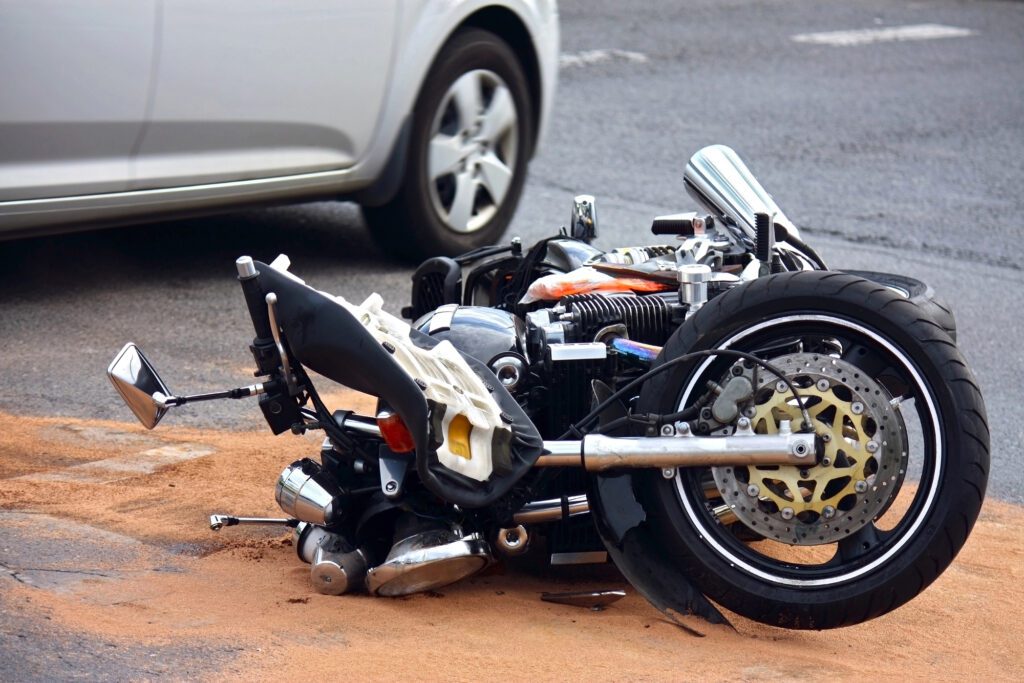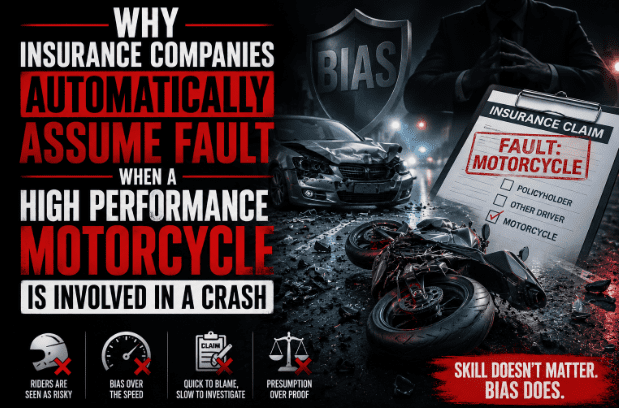
Motorcycle accidents often result in immediate assumptions about who was responsible, especially when a high-performance motorcycle is involved. Many riders discover that insurance companies may form opinions before a full investigation is completed, simply because of the type of motorcycle involved. These assumptions can influence how claims are evaluated and how fault is initially assigned. As a result, some injured riders seek guidance from a biker accident attorney to help protect their interests after a crash.
High-Performance Motorcycles Often Face Unfair Stereotypes
High-performance motorcycles are designed to offer greater speed, acceleration, and handling capabilities than many standard motorcycles. Although these traits are attractive to expert riders, they can also create unfavorable impressions. Some people automatically think that riding these bikes is dangerous, no matter how they are used.
Insurance adjusters are not immune to these assumptions. People may immediately think that someone was going too fast or aggressively when a sport bike or other high-performance model is involved in an accident. These conclusions can sometimes form before all available evidence has been reviewed.
In actuality, fault cannot be determined solely by the type of motorcycle. Responsible riders operate high-performance motorcycles safely every day. A crash investigation should focus on facts rather than stereotypes about the vehicle involved.
Bias Can Influence Early Claim Evaluations
Insurance companies often begin evaluating claims shortly after an accident occurs. At this early stage, adjusters review police records, witness statements, photos of the car’s damage, and any other available information. Initial impressions can sometimes shape the direction of the investigation. When a high-performance motorbike is involved, adjusters may pay extra attention to evidence that supports claims of speeding or dangerous behavior. This can create challenges for riders who were operating responsibly at the time of the crash. Even small amounts of bias can change how information is understood.
Motorcycle Visibility Remains a Major Factor in Crashes
Many motorcycle accidents occur because other drivers fail to see the rider. Despite ongoing safety campaigns, motorcycles remain less visible than larger vehicles on the road. Drivers may overlook motorcycles when changing lanes, making turns, or entering intersections.
In these situations, the motorcyclist may be unfairly blamed because of the motorcycle’s appearance or performance capabilities. The fact that a motorcycle is powerful does not mean the rider caused the collision. Visibility issues continue to play a significant role in many crashes.
Investigations often reveal that another driver’s actions contributed to the accident. Failure to yield, distracted driving, and improper lane changes are common causes of motorcycle collisions. A thorough review of the facts is essential before assigning responsibility.
Severe Injuries Can Complicate the Claims Process
Motorcyclists frequently suffer more serious injuries than occupants of passenger vehicles. Without the protection of an enclosed vehicle, riders are more vulnerable to significant harm during a collision. Medical expenses and recovery times can quickly become substantial.
When a fault is disputed, injured riders may face delays in obtaining compensation. These delays can create financial stress while victims are trying to recover physically. The stakes are often high for everyone involved.
Understanding Your Rights After a Motorcycle Accident
People who ride have the same legal rights as people who drive cars. The claims process should be fair to them, and they shouldn’t be judged just because of the motorbike they ride. Liability should always be based on facts, not on what people think.
When disputes arise, understanding available legal options becomes important. Injured riders may need assistance navigating complex insurance issues and responding to allegations of fault. They can better protect their own interests if they understand how the process works. For this reason, many individuals consult a biker accident attorney after a serious motorcycle crash. Professional legal help can assist riders in evaluating their claims, preserving evidence, and pursuing compensation when someone else’s carelessness contributed to the accident.
Conclusion
High-performance motorcycles often face unfair assumptions after a crash, leading some insurers to suspect rider fault before a complete investigation is conducted. While stereotypes may influence initial perceptions, liability should always be determined by facts and evidence. By understanding their rights and ensuring that accidents are properly investigated, riders can help protect themselves against unfair blame and pursue a more accurate assessment of what truly occurred.