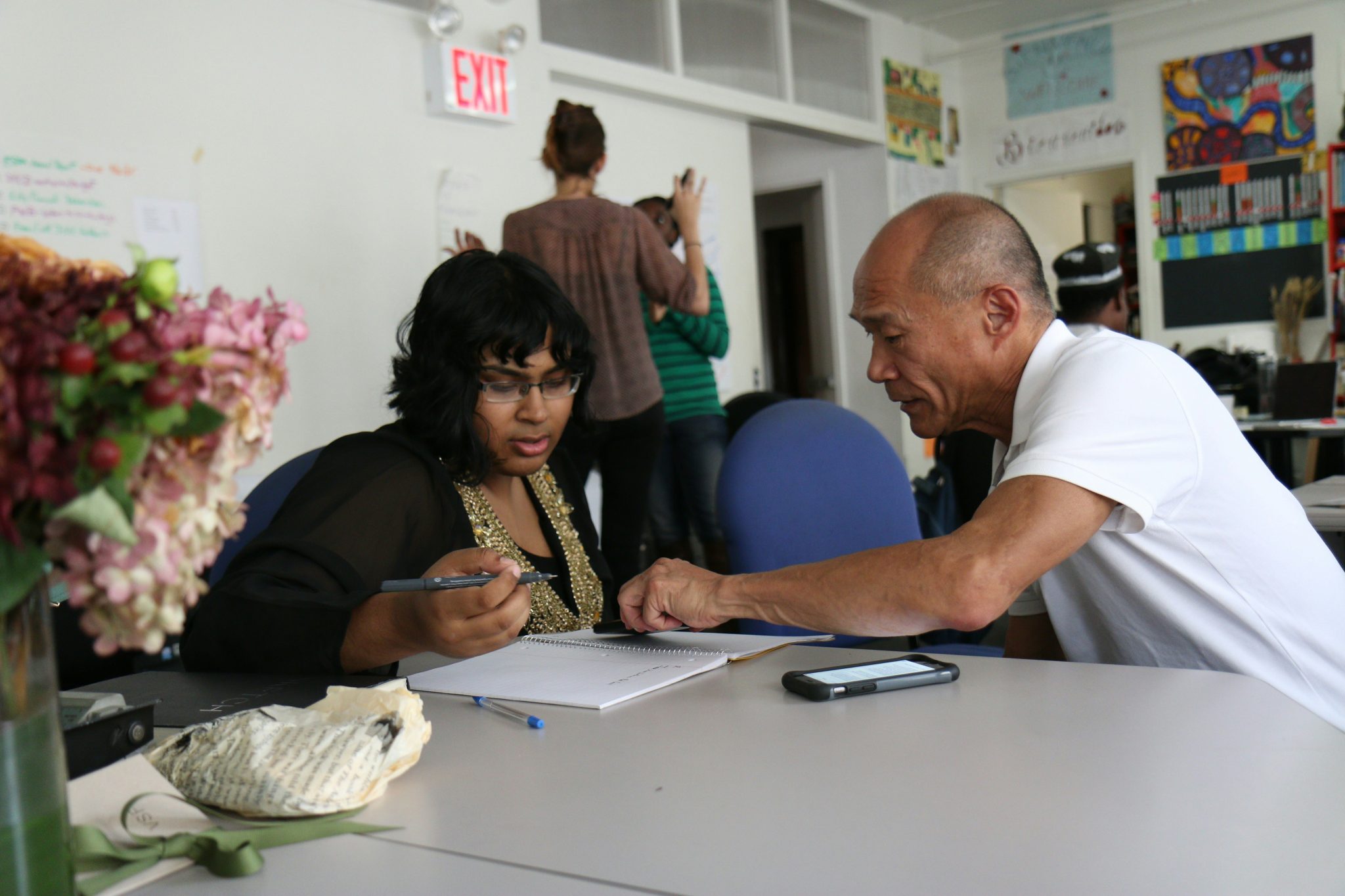
Learning a new skill at your age is brave considering the doubt, loneliness, and fear you may experience. While determination and a strong will can get you far, science also backs your willingness to develop new abilities.
Committing to a lifetime of learning can do wonders for your mental and physical health. Developing new skills at your age is possible and can help you achieve fulfilment in many areas.
This article aims to prove that developing new abilities at any age is possible and rewarding. You will also discover the benefits of skill acquisition and valuable tips for acquiring relevant skills for today and the future.
Can You Develop Useful Skills Later in Life?

Unsplash
Aging comes with various physical and mental challenges. The immune system weakens with age, making older individuals more prone to many health issues. In addition to mobility problems, many adults develop cognitive decline. This makes learning new skills difficult, depending on the severity of the issue.
Perhaps, you’re thinking, “Can I still develop new skills?” The short answer is “Yes!”
Recent findings in neuroscience reveal that the human brain can develop new cells (neurons) past the youth phase. The brain also has neuroplasticity capabilities that allow its neurons to form fresh, strong bonds, which reshape its structure with time. Therefore, learning new skills at your age isn’t only possible but also vital to developing new skills later in life.
Why You Must Develop New Skills at Your Age?

Unsplash
1. Increased Career Opportunities
Learning new skills is crucial to remain an asset to your organization for a long time. As the world adapts to new technological, economic, and social developments, professional abilities rapidly become surplus to requirements.
Gaining new knowledge can help you remain relevant and compete with brilliant, vibrant minds in diverse fields. If you improve your abilities with new skills, you increase career advancement opportunities and earning potential.
2. Cognitive Health Boost
Developing new skills is directly linked to improved cognitive abilities. It results in brain stimulation while enhancing neuroplasticity in the brain.
Continuous learning is one of the most effective forms of brain exercise: it challenges the brain. As a result, your brain takes on a new form as it creates new neural pathways and strengthens existing ones.
Your ability to retain and process information will improve as you continue learning. You may also experience a drastically slow mental decline as you get on in age.
3. Personal Fulfilment
When you commit to learning new skills, you take a significant step closer to achieving personal growth. You develop a sense of accomplishment after successfully passing a course or completing a project.
Learning something new also gives you insight into unfamiliar subjects and offers a fresh perspective on the world. It can boost your confidence level and self-esteem, knowing you can now sit at the table of brilliant minds.
4. Networking Opportunities
Developing new abilities opens a window of opportunities to broaden your social circle while learning or when applying your skills in the real world.
From group projects to individual assignments, you will collaborate with others to achieve a common goal. Such collaborations may develop into emotionally and financially rewarding partnerships.
Applying your skills can also put you in a position to collaborate with influential people and form new relationships.
Tips for Acquiring New Skills

Unsplash
Acquiring new skills in the modern era can be tricky. To ensure a skill remains relevant to society, you must carefully analyze your options. To give you a head start, these key tips can help you develop fulfilling and rewarding skills for today and the future.
1. Focus on Durable Skills
Career experts argue that three categories of skills exist: perishable, semi-durable, and durable skills.
Perishable skills are those that may become obsolete within two years or less, while semi-durable skills retain relevance for between two and a half to seven years. However, durable skills are those that will remain needed by current and future society. They are scarce and highly sought-after by many organizations.
It would do you a world of good to prioritize skills that won’t become obsolete soon. Research durable skills that can get you closer to your aim. That way, you channel your valuable time and resources into a relevant field that will serve society for a long time.
2. Prioritise Relatability or Familiarity
While considering the durability of your options, it is advisable to start by learning something familiar. It can help you build confidence in your learning ability at your age. The confidence you gain from achieving success on your first attempts may become the foundation for developing skills in uncharted territories.
3. Have Reasonable Expectations
Having reasonable expectations can help you focus on enjoying the process rather than obsessing about the result.
First, avoid comparison. You must understand that it might take you longer than younger people to fully comprehend a passage or technique. Sometimes, you might find yourself falling asleep minutes into studying. Don’t despair: take your time to warm up to your new challenge.
Ensure that your expectations align with your current physical and mental health state. It will help avoid stress or disappointment while helping you focus on the process.
4. Find Your Tribe
Learning a new skill can be intimidating, especially when you’re competing with the younger generation. You’ll need all the support you can get. So, search for like-minded individuals or groups near you.
You may check your immediate environment or search online groups for people who can relate to your condition. After frequent interactions, you may form a symbiotic and synergistic relationship where you spur one another to excellence.
You can afford to be vulnerable with the right people. This circle of acquaintances provides a safe space to share your challenges and successes without fearing being judged. These partnerships may blossom into lifelong friendships.
5. Start with the Free Stuff
Certain skills may require long periods of intensive learning and high tuition costs. To ensure you get your money’s worth, don’t splash the cash yet. Start with free courses.
Most top online libraries or institutions offer free introductory courses across many fields. Test the waters to identify the best fit for your long-term goals before paying for intensive learning.
Final Thoughts
Learning a new skill while getting on in years can be challenging. The information retention and processing speed decrease at this stage. Thus, it can be disappointing at times, especially when competing with people half your age.
Fortunately, developing new skills doesn’t have an expiration date according to science. You’ll enjoy personal growth, cognitive health boost, and career enhancement opportunities as you keep learning relevant subjects. Ensure you prioritise durable and relatable skills with reasonable expectations.
It might take a while to achieve your goal and master the skill you desire. When you come to terms with this reality, you will become more patient and appreciative of your progress, no matter how slow.