The global economy continues to evolve rapidly, and Financial Market Trends 2026 reflect a period shaped by technological change, macroeconomic adjustments, and shifting investor behavior. Over the past few years, markets have experienced inflation shocks, tightening monetary policies, and significant geopolitical uncertainty. Consequently, investors, institutions, and policymakers are entering 2026 with a stronger focus on resilience, diversification, and long-term capital preservation.
Moreover, technological transformation is redefining how capital flows across markets. Artificial intelligence, automation, and digital financial infrastructure are no longer peripheral innovations; instead, they are central drivers of investment strategies. Therefore, understanding the Financial Market Trends 2026 becomes essential for investors seeking to navigate volatility while identifying new growth opportunities.
In this article, we examine the global wealth outlook, analyze key market drivers, explore emerging sectors attracting capital, and evaluate how both institutional and retail investors are adjusting their strategies in response to evolving market conditions.
Global Wealth Outlook for 2026
Global wealth is expected to continue expanding in 2026, although growth will likely be uneven across regions. Developed markets remain dominant in asset accumulation; however, emerging economies are gaining momentum as wealth creation accelerates among younger populations and digital entrepreneurs.
Moreover, several structural factors are reshaping global wealth distribution:
-
Technology-driven entrepreneurship
-
Rising financial inclusion
-
Expansion of digital investment platforms
-
Cross-border capital mobility
Consequently, wealth creation is no longer concentrated solely in traditional financial hubs such as New York, London, and Tokyo. Cities in Asia, the Middle East, and parts of Africa are emerging as important wealth centers.
High-net-worth individuals (HNWIs) and family offices are increasingly allocating capital globally. Therefore, geographic diversification has become a key strategy to mitigate risks associated with regional economic slowdowns.
Another major shift involves generational wealth transfer. Over the next decade, trillions of dollars will transfer from older generations to younger investors who often prioritize sustainability, technology, and digital assets. As a result, asset allocation patterns are gradually changing.
Key Financial Market Trends Shaping 2026
Several major forces define Financial Market Trends 2026. These trends reflect structural changes in the global economy rather than short-term market cycles.
1. Persistent but Stabilizing Inflation
Inflation surged in many economies during the early 2020s. However, by 2026 inflation is expected to moderate due to tighter monetary policy and improved supply chains.
Nevertheless, inflation remains higher than the extremely low levels seen before 2020. Therefore, investors increasingly favor assets that can hedge inflation risk, such as commodities, real estate, and infrastructure.
2. Interest Rate Normalization
Central banks raised interest rates aggressively to control inflation. Consequently, interest rates in 2026 are likely to stabilize at moderately higher levels compared to the previous decade.
Higher interest rates have several implications:
-
Bond yields become more attractive.
-
Borrowing costs increase for companies.
-
Equity valuations face greater scrutiny.
However, stable interest rates may also reduce market volatility, which can support long-term investment planning.
3. Greater Market Volatility
Geopolitical tensions, trade fragmentation, and supply chain realignment contribute to increased volatility in global markets. Moreover, algorithmic trading and AI-driven investment systems can amplify short-term market movements.
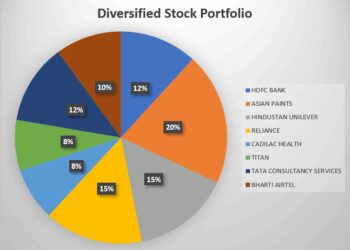
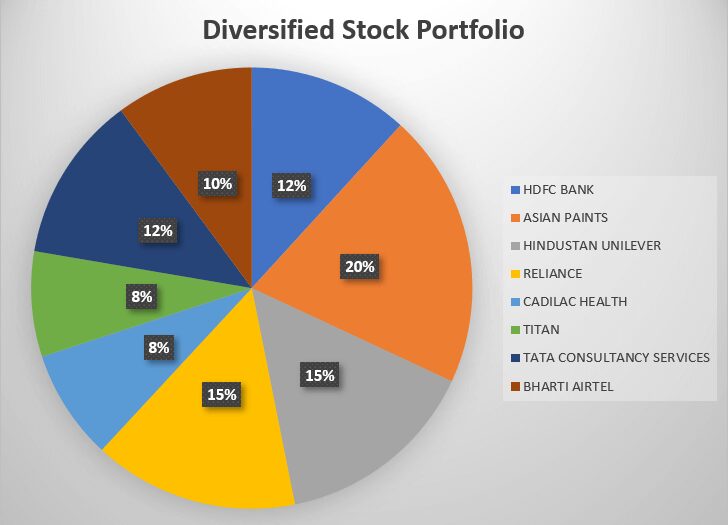
Therefore, portfolio diversification becomes more important than ever.
4. Rise of Alternative Investments
Investors are moving beyond traditional stocks and bonds. Private equity, private credit, infrastructure, and hedge funds are gaining attention as investors seek higher returns and diversification.
Consequently, alternative assets now represent a growing share of institutional portfolios.
Macroeconomic Drivers Influencing Financial Markets
Macroeconomic conditions remain one of the most powerful influences on investment performance. Understanding these drivers helps investors anticipate potential shifts in market sentiment.
Interest Rates
Interest rates directly impact asset valuations. When rates rise, borrowing becomes more expensive, which may slow economic growth. However, higher rates also improve returns for fixed-income investments.
Moreover, central bank policies in major economies such as the United States, Europe, and China continue to influence global liquidity.
Inflation
Inflation erodes purchasing power and can alter corporate profit margins. Therefore, investors often seek assets that can maintain real value during inflationary periods.
Examples include:
-
Real estate
-
Commodities
-
Infrastructure investments
Economic Growth
GDP growth influences corporate earnings and investor confidence. Strong economic expansion supports equity markets, while slower growth may lead to defensive investment strategies.
However, growth is increasingly uneven across regions. Emerging markets often grow faster than developed economies, although they may also experience greater volatility.
Growth Sectors Attracting Capital
Several industries are attracting substantial capital in 2026. Investors are focusing on sectors that combine technological innovation with long-term demand.
1. Artificial Intelligence
AI has become a dominant investment theme. Companies integrating AI into productivity tools, manufacturing systems, and financial analytics are experiencing rapid growth.
Moreover, AI infrastructure including data centers and advanced chips is attracting significant institutional investment.
2. Renewable Energy
Governments and corporations continue investing heavily in renewable energy. Solar, wind, and battery storage projects are expanding as countries pursue carbon reduction goals.
Consequently, green infrastructure funds and ESG-focused portfolios are gaining popularity.
3. Semiconductor Industry
Semiconductors remain essential to modern technology. Demand for advanced chips used in AI systems, autonomous vehicles, and consumer electronics continues to rise.
Therefore, semiconductor manufacturers and supply-chain companies are receiving substantial capital inflows.
4. Healthcare Innovation
Biotechnology, precision medicine, and digital healthcare platforms are transforming the medical industry. Aging populations in developed economies also support long-term healthcare demand.
Sector Investment Comparison
| Sector | Growth Potential | Risk Level | Key Drivers |
|---|---|---|---|
| Artificial Intelligence | Very High | Medium | Automation, data analytics |
| Renewable Energy | High | Medium | Climate policy, sustainability |
| Semiconductors | High | Medium | AI demand, electronics |
| Healthcare & Biotech | Moderate-High | Medium-High | Aging population, innovation |
| Traditional Energy | Moderate | High | Commodity cycles |
Role of AI, Technology, and Digital Assets
Technology is reshaping investment strategies across global markets. In particular, artificial intelligence and digital financial platforms are transforming how investors analyze data and execute trades.
AI in Investment Decision-Making
AI-driven systems now process vast amounts of market data within seconds. These systems help investors identify patterns, forecast risks, and optimize portfolios.
Moreover, asset managers increasingly use AI for:
-
Algorithmic trading
-
Risk management
-
Market sentiment analysis
Consequently, investment firms that adopt advanced analytics often gain competitive advantages.
Digital Assets and Blockchain
Digital assets remain an evolving component of financial markets. Cryptocurrencies, tokenized securities, and decentralized finance platforms continue to attract investor interest.
However, regulatory uncertainty still surrounds many digital asset markets. Therefore, institutional investors typically allocate only a small portion of portfolios to cryptocurrencies while monitoring regulatory developments.
Nevertheless, blockchain technology itself is gaining acceptance in financial infrastructure, particularly for settlement systems and asset tokenization.
Institutional vs Retail Investment Behavior
Investor behavior varies significantly between large institutions and individual retail investors. Understanding these differences provides insight into Financial Market Trends 2026.
Institutional Investors
Institutional investors include pension funds, sovereign wealth funds, and insurance companies. These entities manage large pools of capital and typically adopt long-term investment strategies.
Moreover, institutions often focus on:
-
Diversification across asset classes
-
Private market investments
-
Risk management frameworks
Consequently, institutional portfolios increasingly include infrastructure, private equity, and alternative assets.
Retail Investors
Retail investors have gained greater market access through digital trading platforms and financial apps. Social media and online communities also influence retail trading behavior.
However, retail investors often demonstrate higher risk tolerance and shorter investment horizons.
Institutional vs Retail Investment Strategies
| Factor | Institutional Investors | Retail Investors |
|---|---|---|
| Investment Horizon | Long-term | Short to medium-term |
| Risk Management | Structured frameworks | Often less formal |
| Asset Allocation | Diversified including alternatives | Mostly stocks and ETFs |
| Access to Private Markets | High | Limited |
| Use of AI Tools | Advanced systems | Growing but limited |
Risks Facing Financial Markets in 2026
Despite strong innovation and capital flows, financial markets face several risks.
Geopolitical Uncertainty
Conflicts, trade tensions, and shifting alliances can disrupt supply chains and investor confidence.
Debt Levels
Global debt remains historically high. Governments and corporations may face challenges managing debt if interest rates remain elevated.
Technology Disruption
While technology drives growth, it also introduces cybersecurity risks and regulatory challenges.
Market Concentration
Large technology companies dominate major stock indices. Consequently, heavy reliance on a few companies could increase market vulnerability if those firms experience downturns.
Opportunities for Investors
Although risks exist, Financial Market Trends 2026 also present numerous opportunities.
1. Diversification Across Asset Classes
Investors can reduce risk by combining equities, bonds, commodities, and alternative investments.
2. Long-Term Technology Investment
AI, automation, and digital infrastructure continue shaping the global economy.
3. Sustainable Investing
Environmental and social governance considerations are increasingly influencing investment decisions.
4. Emerging Markets
Emerging economies offer higher growth potential, particularly in Asia and parts of Africa.
Therefore, investors who adopt globally diversified strategies may benefit from broader economic growth.
The Future Outlook for Financial Markets
Looking ahead, financial markets will likely remain dynamic and technology-driven. Economic cycles will continue influencing asset prices; however, structural innovation may provide long-term growth opportunities.
Moreover, financial markets are becoming more interconnected. Digital trading platforms allow investors worldwide to access global assets instantly.
Consequently, the ability to analyze macroeconomic trends, technological developments, and geopolitical factors will remain critical for investment success.
Therefore, investors who remain adaptable, informed, and diversified will be better positioned to navigate the evolving landscape of Financial Market Trends 2026.
Frequently Asked Questions (FAQs)
What are the main Financial Market Trends for 2026?
Key trends include rising AI adoption in investing, growth of alternative assets, moderate inflation levels, higher interest rates compared to the previous decade, and increased institutional investment in technology sectors.
Which sectors are expected to grow the most in 2026?
Artificial intelligence, renewable energy, semiconductors, and healthcare innovation are expected to attract significant investment.
How do interest rates affect financial markets?
Higher interest rates increase borrowing costs, which can slow economic growth. However, they also improve returns for fixed-income investments such as bonds.
Are digital assets still relevant for investors?
Yes. Digital assets remain an emerging asset class. However, investors often treat them as a small portion of diversified portfolios due to volatility and regulatory uncertainty.
How can investors manage risk in volatile markets?
Diversification, long-term investment strategies, and careful analysis of macroeconomic trends can help manage market volatility.