Vintage fashion continues to inspire modern style lovers with its charm, craftsmanship, and individuality. From classic silhouettes to bold patterns, vintage clothing allows people to express personality while embracing fashion history. Learning the right vintage fashion styling tips helps you blend old-world elegance with contemporary trends, creating outfits that feel both nostalgic and fresh.
This guide explores practical ways to style vintage pieces confidently, whether you are new to vintage fashion or looking to refine your wardrobe.
What Defines Vintage Fashion?
Vintage fashion generally refers to clothing and accessories that are at least 20 years old. These pieces often reflect the design trends, fabrics, and cultural influences of their era.
Key features of vintage clothing include:
-
Unique tailoring and construction
-
High-quality fabrics
-
Era-specific patterns and silhouettes
-
Limited availability, making each piece special
Unlike fast fashion, vintage items are not mass-produced, which adds to their appeal and value.
Start With One Statement Piece
One of the most important vintage fashion styling tips is to avoid wearing too many vintage items at once. Start with a single standout piece and build your outfit around it.
Examples of statement pieces:
-
A 1970s leather jacket
-
A 1950s midi skirt
-
A 1980s oversized blazer
Pairing one vintage item with modern basics keeps the look balanced and wearable.
Mix Vintage With Modern Clothing
Blending old and new is the key to making vintage fashion feel current. Modern silhouettes help tone down bold vintage designs and prevent outfits from looking like costumes.
Styling idea:
-
Vintage blouse with modern jeans
-
Retro blazer with a simple t-shirt
-
Classic dress styled with contemporary footwear
This approach allows vintage pieces to shine without overwhelming the outfit.
Focus on Fit and Tailoring
Vintage sizing often differs from modern measurements. Ensuring proper fit is essential for a polished look.
Tips for better fit:
-
Tailor oversized vintage garments
-
Cinch waists with belts
-
Roll or hem trousers if needed
Well-fitted vintage clothing enhances comfort and elevates overall style.
Understand Era-Specific Styles
Each decade has its own distinct fashion identity. Learning about these styles helps you choose pieces that align with your aesthetic.
Popular vintage eras:
-
1920s: Flapper dresses and embellishments
-
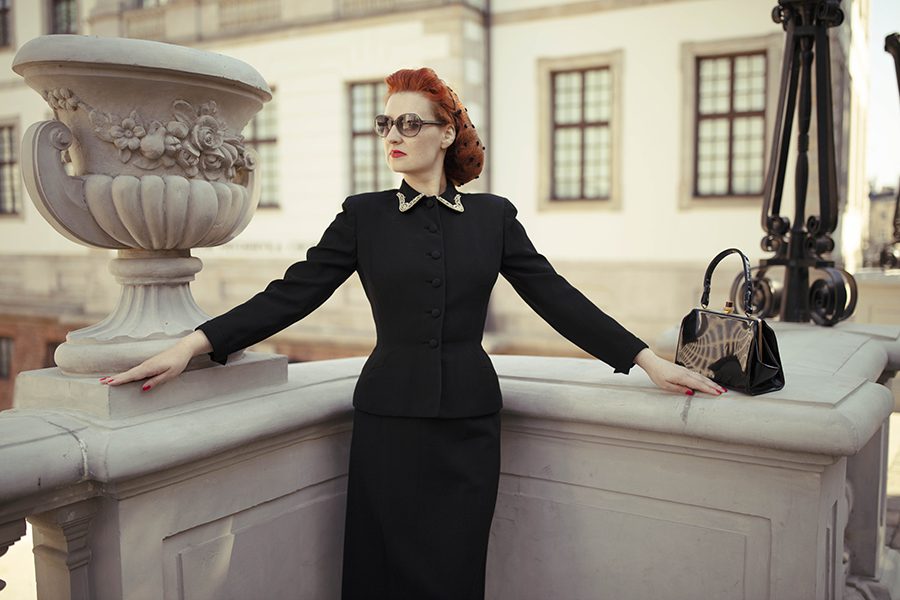
1950s: Feminine silhouettes and full skirts
-
1970s: Bohemian prints and flared pants
-
1990s: Minimalism and relaxed tailoring
Choosing one era as inspiration helps create cohesive outfits.
Use Accessories to Enhance Vintage Looks
Accessories play a crucial role in vintage fashion styling. They add authenticity without requiring a full vintage outfit.
Effective vintage accessories include:
-
Silk scarves
-
Structured handbags
-
Retro sunglasses
-
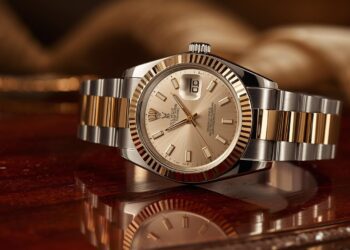
Classic watches
Accessories are also a great way to experiment with vintage fashion if you prefer subtle styling.
Embrace Neutral and Versatile Pieces
Neutral vintage items such as blazers, trench coats, and knitwear are easy to integrate into modern wardrobes. These pieces work well across seasons and occasions.
Vintage neutral clothing also aligns well with contemporary trends focused on minimalism and inclusivity, similar to the design philosophy followed by many gender neutral fashion clothing brands.
Balance Colors and Patterns
Vintage fashion often features bold prints and rich colors. To avoid overwhelming your outfit:
-
Pair bold vintage patterns with neutral basics
-
Limit prints to one main piece
-
Use solid colors to ground the look
This balance ensures your outfit feels intentional rather than cluttered.
Confidence Is the Key to Vintage Styling
Vintage clothing stands out, and confidence is essential when wearing it. Owning your look allows vintage pieces to feel natural and stylish rather than outdated.
Walk confidently, keep styling simple, and let the garment speak for itself.
Care for Your Vintage Clothing
Proper care extends the life of vintage garments.
Basic care tips:
-
Hand wash delicate fabrics
-
Store items away from direct sunlight
-
Use padded hangers for structured pieces
-
Repair small damages early
Taking care of vintage clothing preserves its beauty and value.
Final Thoughts
Mastering vintage fashion styling tips allows you to create unique outfits that reflect personality, sustainability, and timeless elegance. By mixing vintage with modern pieces, focusing on fit, and styling thoughtfully, you can wear fashion history in a way that feels current and authentic. Vintage fashion is not about dressing in the past—it is about reimagining it for today.