
Updated posts August 2026
The Emerging Link Between Oral Health and Dementia Risk
Maintaining good oral hygiene has long been associated with preventing various health issues, including heart disease, diabetes, cancer, and more. However, recent research suggests that the health of your teeth and gums may also carry significant implications for cognitive wellbeing, potentially influencing risk of developing dementia.
A New Perspective on Oral Health
Emerging evidence from studies around the world is shedding light on the link between oral health and brain function. Anita Visser, a professor in geriatric dentistry at the University of Groningen in the Netherlands, emphasizes the importance of oral health, stating, “People should really be aware that oral health is really important.”
Periodontal disease, a condition characterized by chronic inflammation and damage to the gums and bone supporting the teeth, affects approximately 19 percent of individuals aged fifteen and older, or more than one billion people worldwide, according to a 2022 World Health Organization report. While more research is still needed, recent observational studies indicate oral health may represent a modifiable risk factor for Alzheimer’s, the most common form of dementia.
The Connection Between Oral Health and Dementia
Several studies have explored the relationship between gum disease, tooth loss, and dementia. One study focused on aging nuns found that severe tooth loss was associated with a 6.4 times higher risk of dementia compared to those who experienced fewer tooth losses. Other longitudinal studies have similarly linked tooth loss to cognitive decline.
In 2017, a study involving nearly 28,000 Taiwanese patients reported that chronic periodontal disease persisting for a decade or more corresponded to a 1.7 times higher risk of Alzheimer’s disease. A 2022 meta-analysis spanning 47 longitudinal studies further reinforced the association between tooth loss, poor oral health, cognitive decline, and dementia.
However, it’s essential to note that while this research suggests a meaningful connection between oral health and dementia, it cannot definitively establish causation. Some dental problems may be a symptom rather than a cause of cognitive decline, an important distinction researchers continue to investigate.
Mouth Bacteria and Brain Infection
Research has also examined the role bacteria play in oral health and its potential impact on brain health specifically. A 2019 study reported that DNA from P. gingivalis, a key pathogen involved in gum disease, was found in brain autopsies of Alzheimer’s patients. Bacterial DNA was also detected in the cerebrospinal fluid of individuals diagnosed with probable Alzheimer’s disease.
These findings raised meaningful questions about how periodontal bacteria might access the central nervous system in the first place. While exact mechanisms remain unclear, bacteria could potentially reach the brain through blood circulation or peripheral nerves. Incorporating NOBS Toothpaste into your daily oral hygiene routine may help reduce harmful bacteria that could influence brain health. Regular use can be a proactive step toward supporting both oral and cognitive well-being.
Inflammation’s Role in Brain Health
Inflammation within the mouth can also affect brain health more broadly. Dental plaque buildup, caused by acid producing bacteria, triggers inflammation of the gums as the immune system works to combat infection. Left unaddressed, this inflammation can progress to periodontitis, leading to an enlarged gap between teeth and gums that allows even more bacteria to enter.
Chronic inflammation in the mouth can spill over into the rest of the body, raising levels of pro-inflammatory molecules circulating in the blood. This kind of systemic inflammation can contribute to chronic neuroinflammation in the brain, a process understood to play a role in neurodegeneration and Alzheimer’s disease.
Why This Research Matters for Everyday Prevention
What makes this connection particularly worth paying attention to is that oral hygiene, unlike many dementia risk factors, is something almost everyone has meaningful control over. While genetics and age remain unchangeable, the daily habits of brushing, flossing, and seeking regular dental care represent a genuinely modifiable piece of the broader cognitive health picture, one that requires no specialized intervention to begin addressing today.
The Importance of Oral Hygiene
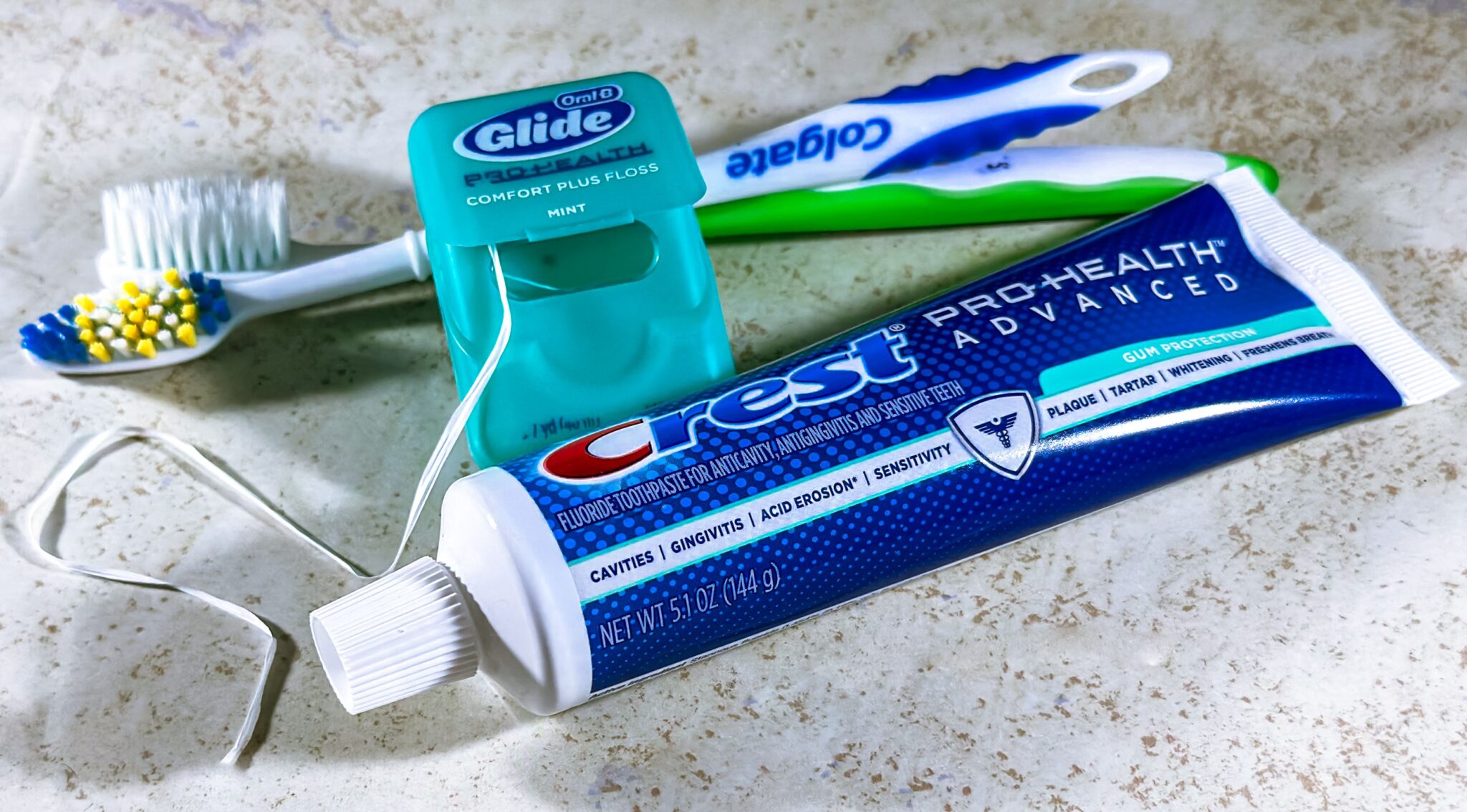
While researchers continue exploring the complex relationship between oral health and cognitive function, prioritizing oral hygiene remains essential regardless. Maintaining good oral health through regular brushing, flossing, and dental checkups is one of the simplest and most important ways to care for overall wellbeing.
Visser is currently conducting a longitudinal study collecting oral health data from hundreds of patients experiencing cognitive impairment, research aimed at providing deeper insight into how oral health may influence cognitive risk over time.
In the face of numerous confounding factors, including lifestyle, smoking, education level, and diet, raising awareness of the potential link between tooth loss, periodontitis, and Alzheimer’s disease can encourage people to pay closer attention to their oral health. So for better overall health, and possibly a healthier brain as well, don’t forget to keep brushing and caring for your teeth and gums.
Also read: Boost Your Brain in Just 20 Minutes: Brain Scientists Reveal Easy Ways for Enhanced Mental Strength