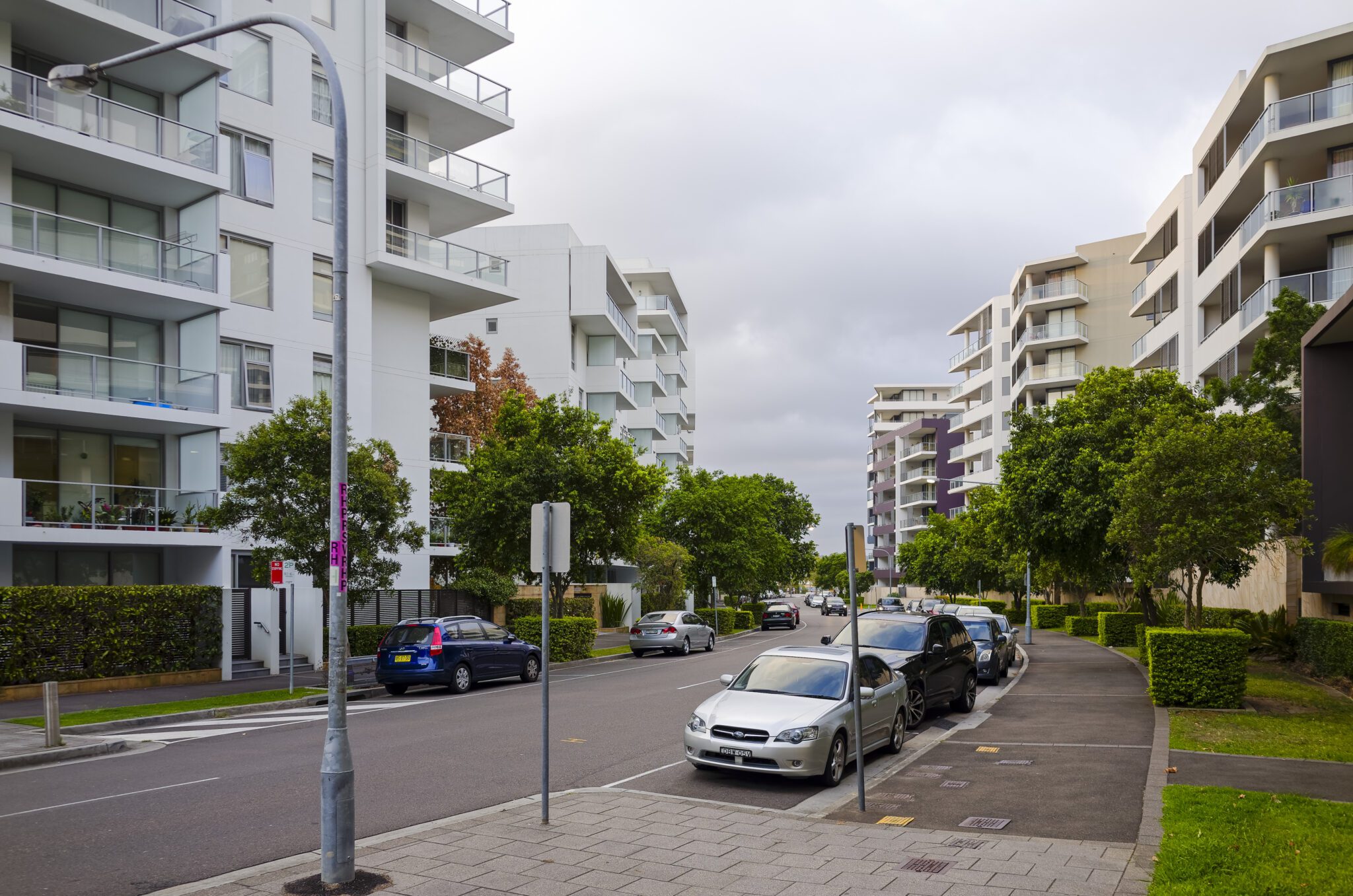
In Sydney’s coastal environment, balconies endure constant exposure to extreme weather conditions, including heavy rain, salt-laden air, and strong UV rays. Over time, these elements can wear down surfaces and weaken structural components, potentially leading to significant damage if not addressed early. Proper waterproofing plays a crucial role in protecting your balcony, helping to maintain both its durability and safety.
Recognizing the early warning signs of damage is essential, and addressing issues with balcony waterproofing sydney services can prevent minor problems from escalating into costly repairs. Waterproofing is not merely a precaution—it is a long-term investment in preserving your property’s value and structural integrity. Below are the key signs that indicate your Sydney balcony may require professional waterproofing.
- Visible Cracks and Surface Damage
One of the earliest and most obvious warning signs is the appearance of cracks in the balcony surface. These may develop in tiles, concrete, or grout lines and often allow water to seep beneath the surface. Even small cracks can worsen over time, especially with repeated exposure to moisture and temperature fluctuations. Addressing these early can prevent more extensive structural issues. - Water Pooling After Rain
If you notice water collecting in certain areas of your balcony after rainfall, this could indicate poor drainage or an uneven surface. Persistent pooling is a serious concern, as standing water increases the likelihood of seepage and accelerates wear on waterproof membranes. A properly waterproofed balcony should allow water to drain efficiently without lingering puddles. - Damp or Leaking Ceilings Below
A clear indicator of waterproofing failure is water damage appearing on the ceiling or walls beneath your balcony. This may present as damp patches, bubbling paint, or even mould growth. Such signs suggest that water is penetrating through the balcony structure, potentially compromising both aesthetics and safety. - Loose or Hollow Tiles
Tiles that sound hollow when tapped or feel loose underfoot may signal underlying moisture damage. Water infiltration can weaken the adhesive bond, causing tiles to lift or shift. This not only affects the appearance of your balcony but also creates a safety hazard. - Efflorescence (White Powdery Residue)
Efflorescence appears as a white, chalky substance on surfaces and is caused by salt deposits left behind as water evaporates. While it may seem harmless at first glance, it is often a sign that water is moving through the substrate, indicating compromised waterproofing. - Mould and Mildew Growth
Sydney’s humid conditions can encourage mould and mildew growth, particularly in areas where moisture is trapped. If you notice persistent mould on your balcony, it may be due to inadequate waterproofing allowing water to accumulate beneath the surface. - Ageing Waterproof Membrane
Waterproofing systems are not designed to last indefinitely. If your balcony is more than 10–15 years old and has not undergone maintenance or reapplication, the membrane may have deteriorated. Regular inspections are crucial to ensure continued protection.
Why Timely Waterproofing Matters
Ignoring these warning signs can lead to significant structural damage, costly repairs, and even reduced property value. Professional waterproofing not only protects your balcony but also enhances durability and ensures compliance with Australian building standards.
Final Thoughts
A well-maintained balcony is a valuable feature of any Sydney property, offering both functionality and aesthetic appeal. By recognising the early signs of waterproofing failure, homeowners can take proactive steps to protect their investment. If you observe any of the issues outlined above, it is advisable to consult a qualified waterproofing specialist to assess and address the problem promptly.