There is a moment in every home when the living room stops feeling the way it should. The sofa, which should be the most inviting piece of furniture in the house, starts looking tired. The colour has faded. The fabric has gone flat. The room itself feels heavy and uninspired, but nothing structurally has changed. Most people assume a new sofa is the only solution. In most cases, it is not. What has failed is the surface of the sofa, and replacing the surface while keeping the structure is not only possible but often the better decision in every measurable sense.
What IKEA sofas are built for and what they are not
IKEA sofas are built around a reliable premise: solid frames, modular flexibility, and accessible pricing. What they are not built around is premium fabric. The upholstery that comes standard on most IKEA models is functional for everyday use, but it is not designed to last fifteen years or to grow more beautiful with time. It is designed to be affordable, and that trade-off becomes visible within a few years of regular use. The frame of an IKEA sofa can genuinely outlast its original upholstery by a decade or more, which is exactly why the decision to recover rather than replace is one that holds up under honest scrutiny. Understanding this distinction is what makes the difference between deciding to replace a sofa that is structurally fine and deciding instead to give it a better surface.
Covers made for specific models and why the fit matters
The market for precisely fitted sofa covers has evolved significantly over the past few years. Where once the only options were loose, generic elastic covers that never quite held their shape, there are now makers who design covers specifically for named IKEA sofa models. IKEA sofa slipcovers from Norsemaison are a good example of what this looks like in practice: covers cut to the exact proportions of each model, made in natural fabrics that hold their form during use and wash predictably across years of regular maintenance. The result is a sofa that looks intentional rather than covered up.
Why linen holds up where other fabrics do not
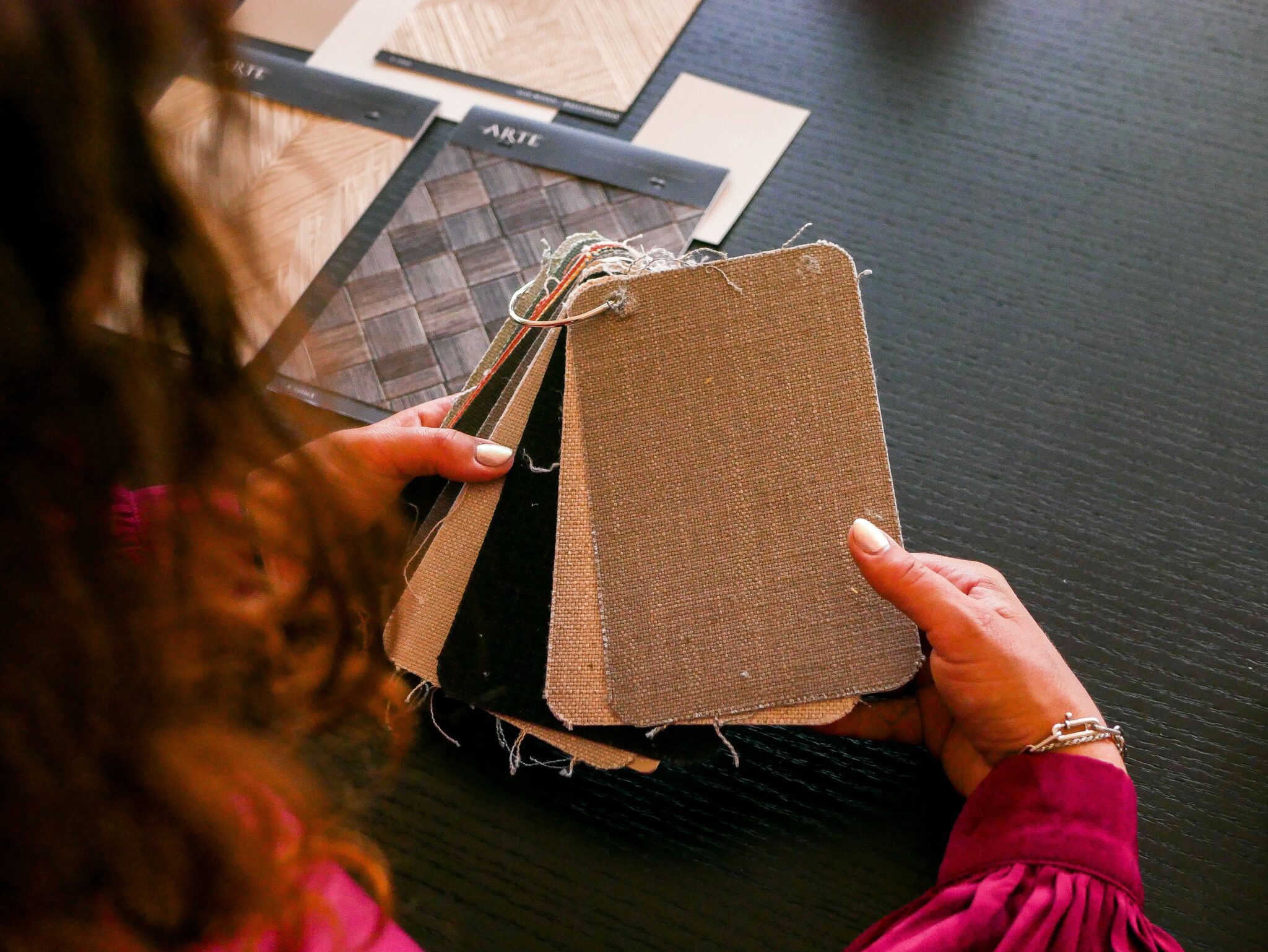
Natural linen is the fabric that comes up most consistently when the goal is durability paired with visual quality. Its properties are not marketing claims. Linen fibres are among the strongest cellulose-based fibres available, and their tensile strength increases when wet rather than decreasing, which is why linen performs so well under frequent washing. A linen sofa cover that goes through the washing machine regularly does not lose its shape or texture the way synthetic alternatives do. Synthetic covers, by contrast, often begin to pill and stiffen within a year of regular washing, accelerating the visual decline of the sofa rather than reversing it. If anything, linen softens slightly with each wash, developing a lived-in quality that reads as intentional warmth rather than wear.
The material science behind linen’s visual quality
This durability is not coincidental. The Texpertise Network’s analysis of linen properties in home textiles from Messe Frankfurt’s Texpertise Network documents how linen’s high cellulose content, combined with its natural wax surface coating, gives the fibre its mechanical stability and its characteristic visual behaviour in light. That behaviour matters in a living room context. Linen does not reflect light uniformly. It absorbs and scatters it slightly depending on weave density and the angle of the light source, which means a linen sofa cover shifts subtly across the course of a day. It is never quite the same surface twice, and that liveliness is one of the things that prevents linen interiors from feeling flat over time.
Colour and tone as a decision for the long run
Colour choice in a sofa cover matters more than most people expect. The instinct is often to go bold and distinctive, to use the sofa as a statement piece. In practice, the sofas that age best are the ones that use natural, restrained tones: sand, warm grey, undyed linen, muted sage. These tones do not anchor the room around themselves. They work with everything around them, which means cushions can change, rugs can be replaced, and curtains can evolve over the seasons without the sofa ever becoming a problem. There is something important about a sofa cover that never argues with the rest of the room: it allows the space to be reshaped repeatedly without ever requiring a central replacement. A strongly coloured or heavily patterned sofa cover is a commitment. A neutral natural linen cover is a foundation.
A washable cover and what it changes about daily use
The practical argument for a fitted slipcover over a fixed upholstery is straightforward. A machine-washable cover changes the relationship between the sofa and the people using it. Sofas absorb what happens in a room over time, everything from pet hair and dust to the accumulated residue of daily life. A cover that can be removed and washed completely at regular intervals solves this problem structurally rather than cosmetically. It is not cleaned around; it is cleaned. People who have made this switch consistently report that they stop worrying about the sofa and start using it the way a sofa is meant to be used. For households with children or animals, this distinction is not minor. It is the condition that makes a fabric sofa actually liveable rather than merely decorative.
Precision fit as the deciding factor in the outcome
The fit of a sofa cover is the variable that separates a good outcome from a frustrating one. A universal elastic cover that pulls over the sofa without reference to its specific dimensions will bunch at the arms, slide during use, and eventually create a permanently wrinkled appearance that makes the sofa look worse than before. A cover designed for the precise geometry of a specific IKEA model sits differently. It follows the lines of the sofa rather than fighting them, and it stays in place through normal use without needing to be adjusted constantly. This precision is what makes the cover feel like part of the sofa rather than something thrown over it.
The economic logic of recovering rather than replacing
There is also a straightforward economic case to be made. A quality linen cover for an IKEA sofa costs significantly less than a new sofa, and it can last five to ten years with proper care. Over that period, if the cover is eventually replaced, the total expenditure is still well below the cost of purchasing a new piece of furniture, and the structural sofa beneath it has extended its useful life accordingly. That extended useful life is not a minor benefit: it means fewer resources consumed, less furniture produced, and a more deliberate relationship with the objects that furnish daily life. The logic of extending the life of a well-built object rather than replacing it is not just financially sound. It reflects a more considered approach to how we treat the things we own and the spaces we inhabit.
One good decision and what it does to a room
Refreshing a living room does not require starting over. In most cases, one well-chosen change is enough to shift the character of the entire space. A sofa that has been recovered in a quality natural fabric looks different from every angle and feels different under daily use. The room responds to it. Other elements seem to settle into place around it. The quality of that shift is not proportional to the money spent or the effort involved. It is proportional to the care taken in making the choice. This is the quiet effect of a single good decision made at the right moment: not a renovation, not a replacement, but a recovery of what was already there, done well.