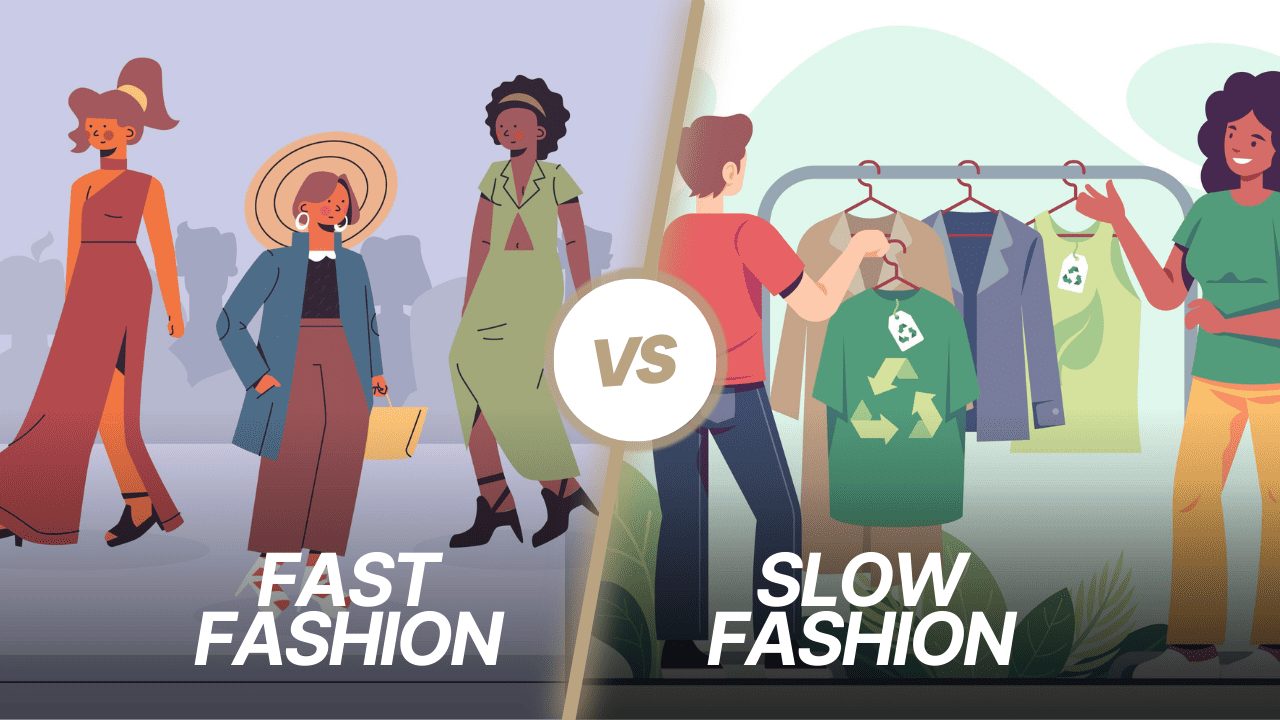
Slow fashion vs fast fashion explained is a comparison that helps consumers understand how clothing choices impact the environment, workers, and long-term value. As awareness grows around sustainability and ethical production, more people are questioning where their clothes come from and how they are made.
This article breaks down the core differences between slow fashion and fast fashion, highlighting their effects on quality, cost, ethics, and sustainability so you can make more informed decisions.
What Is Fast Fashion?
Fast fashion is a clothing production model focused on speed, low cost, and trend replication. Brands rapidly produce new styles based on runway trends or social media influence, often delivering new collections weekly.
Key Characteristics of Fast Fashion
-
Rapid production cycles
-
Low-priced garments
-
Trend-driven designs
-
Mass manufacturing
-
Short product lifespan
Fast fashion thrives on volume, encouraging frequent purchases and quick disposal of clothing.
What Is Slow Fashion?
Slow fashion is an alternative approach that emphasizes quality, ethical labor, and environmental responsibility. Rather than producing large quantities quickly, slow fashion brands prioritize thoughtful design and long-lasting materials.
Key Characteristics of Slow Fashion
-
Small-batch or limited production
-
Timeless, durable designs
-
Ethical labor practices
-
Sustainable materials
-
Transparency in sourcing
Slow fashion supports conscious consumption rather than impulse buying.
Slow Fashion vs Fast Fashion: Core Differences
| Aspect | Fast Fashion | Slow Fashion |
|---|---|---|
| Production Speed | Extremely fast | Intentionally slow |
| Clothing Quality | Low to medium | High and durable |
| Environmental Impact | High pollution and waste | Reduced footprint |
| Labor Conditions | Often unethical | Fair and safe |
| Price Structure | Cheap upfront | Higher long-term value |
| Design Focus | Short-term trends | Timeless style |
This contrast highlights why slow fashion is increasingly seen as a responsible alternative.
Environmental Impact Comparison
Fast fashion is one of the largest contributors to water pollution, textile waste, and carbon emissions. Synthetic fabrics and chemical dyes often end up in landfills or waterways after only a few wears.
Slow fashion significantly reduces environmental harm by:
-
Using eco-friendly materials
-
Producing fewer garments
-
Encouraging repair and reuse
-
Designing for longevity
Each slow fashion purchase helps reduce the overall demand for wasteful production.
Social and Ethical Implications
Fast fashion supply chains often rely on low wages, unsafe working conditions, and excessive labor hours. Workers may face exploitation due to pressure for rapid production and low costs.
Slow fashion prioritizes human dignity by:
-
Paying fair wages
-
Ensuring safe workplaces
-
Supporting local artisans and communities
-
Maintaining transparent supply chains
Ethical considerations are central to the slow fashion philosophy.
Cost: Short-Term vs Long-Term Value
Fast fashion appears affordable because of low price tags. However, garments often lose shape, fade, or tear quickly, leading to repeated replacements.
Slow fashion costs more initially but provides better long-term value through:
-
Higher durability
-
Fewer replacements
-
Lower cost per wear
Over time, slow fashion often proves more economical.
How Consumer Behavior Is Changing
Consumers are becoming more mindful of their purchasing habits. Instead of buying excessive clothing, many people are investing in versatile staples and timeless pieces. This mindset aligns closely with concepts such as minimalist wardrobe essentials for men, where fewer high-quality items replace overflowing closets.
The shift reflects a broader move toward intentional consumption.
Style and Design Differences
Fast fashion focuses on rapidly changing trends, which can lead to inconsistent personal style. Slow fashion emphasizes classic silhouettes, neutral tones, and versatile designs that remain relevant year after year.
This approach encourages individuals to develop a signature style rather than chasing trends.
Which One Should You Choose?
Choosing between slow fashion and fast fashion depends on values, budget, and lifestyle. However, even small steps toward slow fashion can make a meaningful difference.
Ways to Start Transitioning
-
Buy fewer, better-quality pieces
-
Research brand ethics and transparency
-
Avoid impulse purchases
-
Choose timeless designs
-
Repair clothing instead of replacing it
Every conscious decision contributes to a more sustainable fashion system.
Frequently Asked Questions (FAQs)
Is slow fashion only for luxury buyers?
No. Many slow fashion brands offer affordable options focused on value rather than volume.
Can fast fashion ever be sustainable?
While some improvements exist, the fast fashion model is fundamentally based on overproduction and overconsumption.
Does slow fashion limit style choices?
No. Slow fashion offers a wide range of designs while promoting longevity and versatility.
How does slow fashion reduce waste?
By producing fewer garments, using durable materials, and encouraging reuse and repair.
Is second-hand fashion part of slow fashion?
Yes. Thrifting and resale extend garment life and reduce environmental impact.
Final Thoughts
Understanding slow fashion vs fast fashion explained helps consumers make smarter, more responsible choices. While fast fashion prioritizes speed and low cost, slow fashion focuses on quality, ethics, and sustainability.