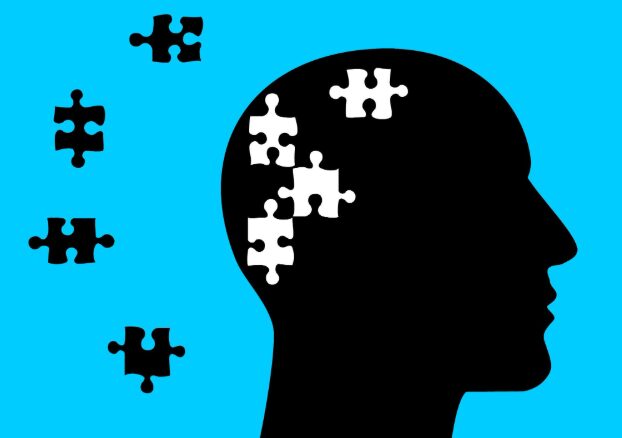
It can be difficult to tell the difference between typical teenage moodiness and a genuine mental health struggle. Teenagers are going through a period of massive physical, emotional, and social change, which naturally leads to ups and downs.
When certain behaviors persist, they may signal that a deeper issue is at play. Understanding warning signs gives parents the power to guide their youth toward proper support before problems grow heavier.
Early Intervention and Paths to Support
Finding support early changes the path of adolescent mental health. Parents who take action quickly give their teenagers the best opportunity to recover and build resilience. Find treatment centers like Clearfork Academy that detect mental health disorders in teens and offer IOP treatment for teenagers. Taking early steps prevents long-term complications in adult life.
Connecting with pediatricians, therapists, or outpatient care centers opens the door to healing. Professional guidance provides teenagers with healthy strategies. Building a support network involves the whole family. Working with professional therapists gives parents practical tools to support their teen’s emotional growth.
Changes in Sleeping Patterns
Sleep is one of the first things affected by mental health. You might notice your teen sleeping all day or struggling to get out of bed for school. Others may stay up all night due to racing thoughts.
Teenagers naturally need more sleep than adults, but excessive sleep can be a sign of depression or avoidance. Chronic insomnia or restlessness often points to anxiety. If your teen’s sleep schedule has drastically changed and it is impacting their daily functioning, it is worth investigating further.
Withdrawal and Social Isolation
Persistent isolation points toward deeper distress. When a teenager cuts off contact with friends, family life suffers from quiet distance.
Mental health experts observe that youth in distress isolate themselves from friends and family, stop participating in activities they previously enjoyed, or spend excessive time alone in their room. Removing themselves from social circles removes emotional buffers.
Parents should notice when long-standing hobbies no longer bring joy. Giving up sports, art, or social clubs signals that internal struggles are draining their motivation.
Academic Struggles and School Performance Drop
School places high demands on young minds, making the classroom a primary indicator of mental wellness. Falling grades or missing assignments point to hidden emotional challenges.
School is one of the first places where mental health challenges show up. Teachers notice changes in attention or effort before parents see them at home. These include the following:
- Unexplained grade drops
- Chronic tardiness or refusing to attend classes
- Expressions of frustration
- Frequent visits to the nurse’s office
Addressing school issues early prevents academic setbacks from worsening emotional strain. Open communication between parents and educators creates a strong safety net for struggling students.
Loss of Interest in Hobbies
A classic symptom of depression is anhedonia, which is the loss of interest in activities that used to bring joy. If your teen used to love playing basketball, painting, or video games, and now they spend hours staring at the wall or scrolling on their phone, that is a warning sign.
This isn’t just “growing out” of a hobby: it is a loss of the ability to feel pleasure. When nothing seems fun anymore, it suggests a chemical or emotional imbalance that needs attention.
Persistent Sadness and Mood Changes
Emotional changes happen during adolescence, yet deep sadness that lingers needs attention. Heavy emotional states can cloud a teen’s outlook on their life and future plans.
If the sadness lasts for longer than two weeks, it could become one of the first symptoms of depression among teenagers. Long stretches of low mood require gentle conversations and professional guidance.
Common indicators of depressive disorders in youth include persistent sadness or irritability, loss of interest in activities once enjoyed, and changes in sleep or eating habits. Frequent outbursts or extreme irritability can reflect internal pain.
Severe Warning Signs and Self-Harm Trends
Certain warning signs demand immediate professional intervention to protect youth safety. Signs of self-injury or dangerous statements must never be ignored or dismissed as phase-based behavior.
Safety comes first when you suspect self-harm. Reaching out to crisis counselors or mental health professionals provides immediate safety measures and crisis planning.
Parents must approach these situations with deep empathy. Immediate medical and psychological support keeps teenagers safe during severe crises.
Expressions of Hopelessness or Guilt
Listen carefully to the language your teen uses. If they frequently make comments like “What’s the point?” “I hate myself,” or “I can’t do anything right,” do not dismiss these as drama.
Teens who are struggling view the world through a negative filter. They may express feelings of being worthless or trapped. These verbal cues are a direct cry for help, and they should be taken seriously. Validate their feelings rather than trying to quickly “fix” them with toxic positivity.
Coping Mechanisms and Substance Use
Unhealthy coping mechanisms develop when teenagers lack positive tools to process intense emotions. Internal distress can lead youth to experiment with risky behaviors to dull emotional pain.
Substance abuse intersects with teenage behavioral health issues. Teens may experiment with drugs or alcohol as a coping mechanism. Recognizing these behaviors early allows parents to seek targeted intervention.
Parents should remain calm when confronting substance use. Offering constructive solutions creates a path toward healing without building defensive walls.
Physical Symptoms and Unexplained Changes
Mental distress manifests in physical ways among young individuals. Chronic headaches, stomach pains, and persistent fatigue are common physical indicators. Teenagers might not know how to express anxiety. Their bodies absorb the tension instead.
Sleep patterns change under stress. Insomnia or sleeping past normal hours disrupts daily functioning and harms physical health. Changes in appetite indicate emotional strain. Skipping meals or overeating without a clear reason points toward deep emotional discomfort.
How to Support Your Teen’s Mental Health
Recognizing that your teen is a sign of awareness and love. The teenage years are complicated, and mental health challenges are common, even if they are not always talked about openly.
If you have noticed changes in sleep, mood, friendships, or school performance, do not wait for the problem to disappear on its own. Start the conversation, offer your support, and seek guidance from a trusted professional when needed. With early intervention and the right care, teens can learn to manage their mental health and move forward with confidence. Want to learn more health tips? Our website is the right place for you.