Updated posts 2026
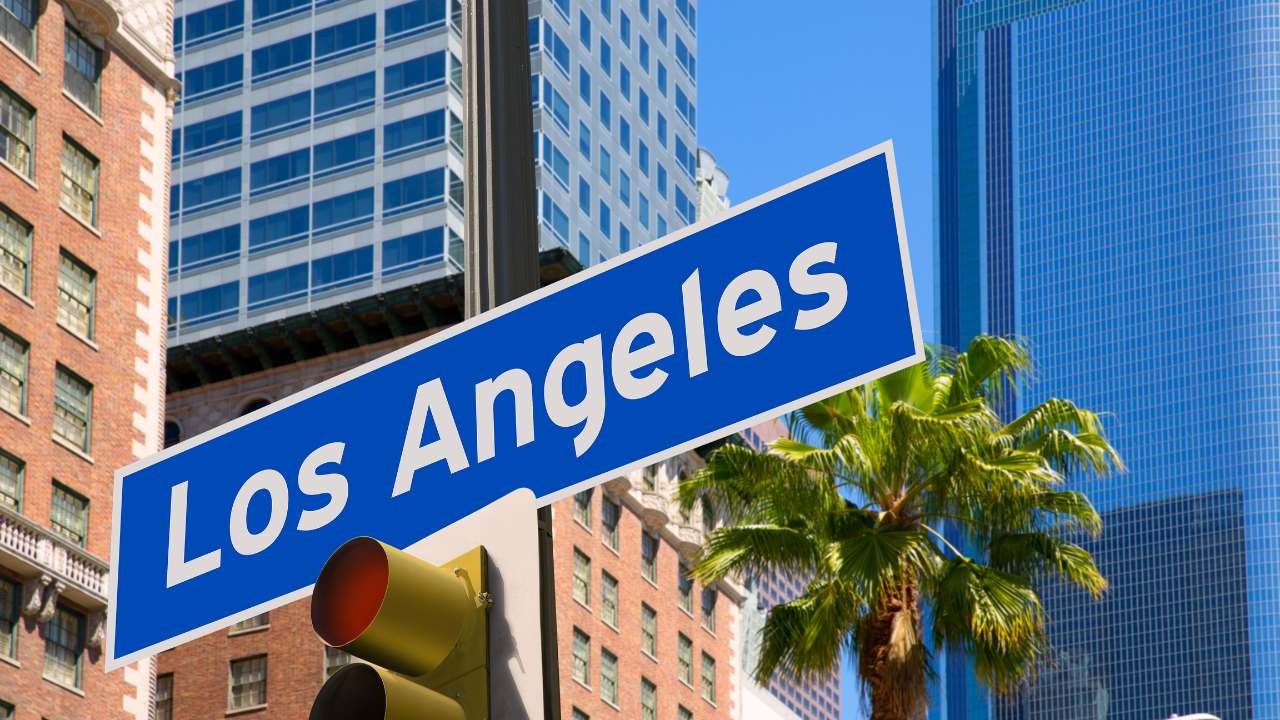
In a bid to reclaim the heart of downtown Los Angeles, city officials have embarked on a mission to address the longstanding issue of the abandoned high-rise towers, colloquially dubbed the ‘graffiti towers’.
These towering structures, once intended as symbols of urban development, have fallen into disrepair, serving as canvases for vandals and playgrounds for daredevil influencers. However, this narrative is poised to change as the city takes decisive steps to breathe new life into these neglected landmarks.
The $1.5 billion eyesore, a casualty of the China real-estate bust, has lingered as a blight on the cityscape, prompting concerns about safety and urban decay. The developer’s financial woes left the project in limbo, providing an unfortunate backdrop for social media stunts and graffiti artistry.
The chain of causation is worth tracing, because it explains how a downtown Los Angeles construction site ends up hostage to a property crisis on the other side of the Pacific. Chinese developers spent the 2010s expanding aggressively overseas, funded by borrowing that regulators in Beijing eventually moved to restrain. When that credit tightened and the domestic market turned, foreign projects were among the first casualties, since they were furthest from the parent company’s core business and hardest to refinance locally. Half-built towers in several Western cities trace to the same sequence.
Recent actions signal a turning point in the fate of these structures. City crews, mobilized on Friday, initiated efforts to secure the premises, marking a significant milestone in the revitalization endeavor. The removal of scaffolding, which had inadvertently facilitated trespassing, underscores the city’s commitment to reclaiming these spaces for constructive use.
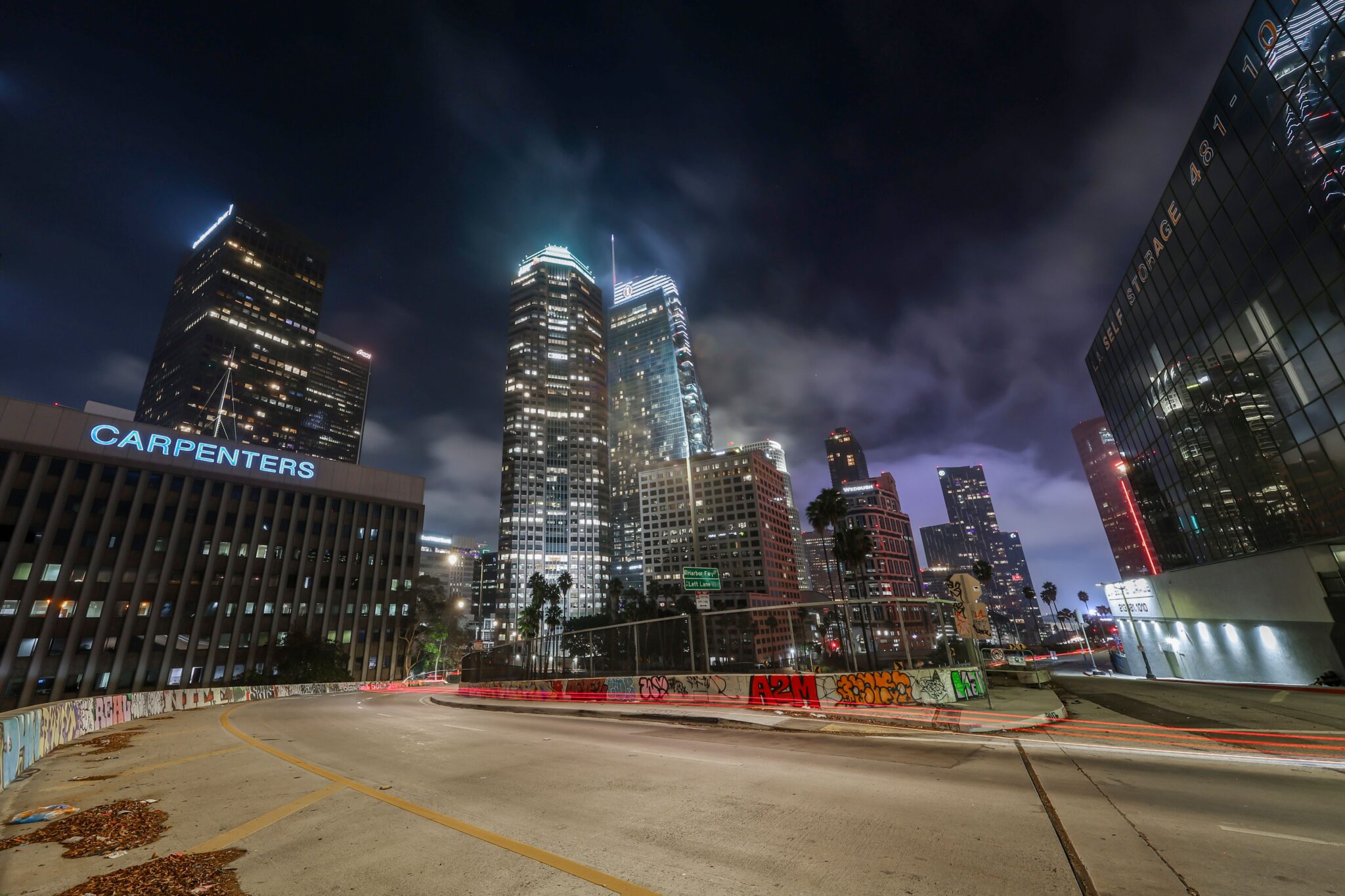
This initiative not only aims to address the physical decay of the structures but also confronts the broader implications for public safety and community well-being. By mitigating the risks associated with unauthorized access and vandalism, the city lays the groundwork for future redevelopment projects that align with the needs and aspirations of its residents.
Moreover, the rehabilitation of the ‘graffiti towers’ holds promise for economic revitalization, potentially catalyzing investment and job creation in the surrounding area. As these landmarks undergo transformation, they could emerge as beacons of urban renewal, symbolizing the resilience and ingenuity of the city of angels.
The endeavor to revive these abandoned structures underscores the collective determination to shape a brighter future for downtown Los Angeles. It reflects a paradigm shift in urban planning, where blighted spaces are reimagined as vibrant hubs of activity and opportunity.
As the city progresses on its journey towards revitalization, stakeholders are encouraged to participate actively in shaping the destiny of these iconic landmarks. Together, we can reclaim the narrative of downtown Los Angeles, transforming it into a thriving epicenter of culture, commerce, and community.
Also read: The Biltmore Hotel Miami Celebrates 95th Anniversary