Businesses are transforming their invoicing practices in a world where every second counts. Imagine the following scenario: the finance department is drowning in paper invoices, chasing departmental approvals, and spending hours matching payments to records. Imagine now that invoices are created and paid automatically, without human error or delay, in an end-to-end digital system. That’s what electronic invoicing software promises: a tool that changes how businesses manage financial transactions and further enables them to be agile in a rapidly changing economy.
From Paper Trails to Digital Transformation
For years, traditional invoicing relied on manual data entry, paper records, and endless follow-ups. It worked, but then the velocity of business changed. Global trade, remote work, and immediate payments became the norms, and the cracks in those outdated systems started to show. Errors multiplied, approvals slowed down, while the cost of processing shot up.
That is where electronic invoicing software really came into its own: as a transformation tool and not just a ‘modern replacement’. Automating the whole invoicing lifecycle of creation, delivery, validation, and archiving removes all inefficiencies that weigh down finance teams. Businesses can now anticipate problems rather than react to them.
A New Era of Financial Agility
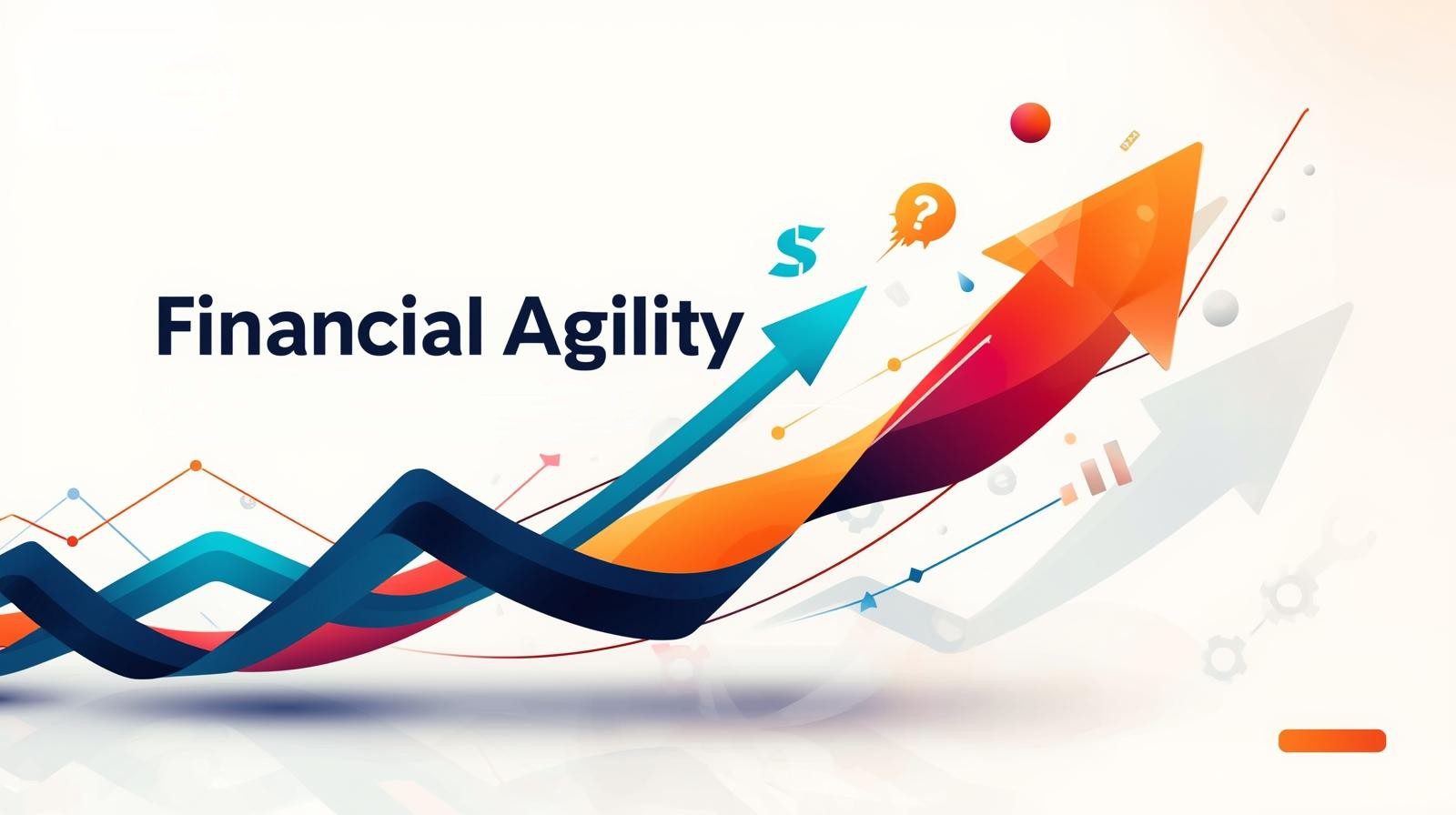
At its core, financial agility is all about how well an organization responds to changes in the market quickly, has control over cash flow, and makes smart decisions without delay. And at the heart of that agility is electronic invoicing.
Automation ensures that invoices are dealt with in real time, which minimizes delays in approval and payment. This speed not only keeps suppliers happy but also strengthens working capital management. Businesses have a much better view of their financial situation to help them plan and pursue new opportunities rather than waiting until month-end reconciliations.
Additionally, with reduced manual data handling, a company minimizes human errors, which are is one of the biggest sources of financial inefficiency. Since every invoice gets digitally tracked, managers can instantaneously see where the payment is at, what’s pending, and what requires action. All these facts turn finance from a reactive function into a strategic partner.
Compliance and Security: Building Trust in Digital Transactions
Among the major issues many organizations are facing are the observance of tax legislation and the protection of information against unauthorized access. Almost every government in the world encourages or obliges businesses to implement some sort of e-invoicing standard for increased tax transparency and to prevent fraud.
This invoicing software automates the process and greatly simplifies the creation of regionally compliant invoices. It keeps an electronic record of every transaction that is audit- and regulation-ready. Sensitive data is shielded from unwanted access and manipulation by encryption and secure cloud storage.
Because partners, vendors, and regulators can rely on the same set of secure and accurate information, an environment that is prepared for compliance fosters trust in the business as well as throughout its value chain.
Data-Driven Decision Making
The other latent power of e-invoicing lies in the data it produces. Every transaction tells a story of customer habits, cycles of payment, and financial efficiency. Conventional paper systems left this data scattered and could not be used as such. In contrast, electronic invoicing software collates and shapes the information it gathers into insights that permit action.
Today, finance leaders can see in real time the average payment time, invoice approval rates, or supplier discounts. This will help them make better predictions by giving them information about the locations of the bottlenecks. As a result, companies can maximise cash reserves, negotiate better terms, and even enable risk early risk warnings.
Integration: Joining the Financial Dots
Electronic invoicing is not just about sending bills electronically; it’s about creating a connected ecosystem. The best systems have full integration with enterprise resource planning tools, accounting platforms, and procurement systems.
It also means that an issued invoice would automatically update the books, kick off approval workflows, and adjust inventory or procurement data where it may be necessary; everything moves in harmony.
By connecting the dots in financial matters, organizations avoid duplication of entries and are well assured that every transaction is reflected appropriately across every concerned system. This frees up time to concentrate on more strategic work, such as developing better relationships with the vendors or refining financial strategies.
Sustainability and Cost Efficiency
By far, one of the most overlooked benefits of e-invoicing touches on environmental and economic issues. Going paperless will hugely reduce the carbon footprint and waste. But besides sustainability, there is a strong financial case too.
Manual invoicing caninvoicing process e processing can cost several dollars per invoice if you factor in labour, printing, and storage. Automation cuts that cost dramatically. With fewer errors and faster processing times, late fees and payment disputes also fall.
The end result is a leaner, greener, more efficient financial operation that supports both corporate sustainability goals and bottom-line objectives.
The Human Advantage: Empowering Finance Teams
While it may appear that the work replaces people, actually, quite the opposite is true: automating empowers people. Once the software does the routine administrative chores, finance professionals can do higher-value work, like analysis, strategy, and innovation. Instead, eElectronic invoicing software frees teams from such routine bottlenecks to think more critically, work more as a team, and add value toward the bigger business vision. This change is decreasing burnout and increasing job satisfaction in addition to productivity. In other words, technology enhances human interaction rather than replaces it.
Redefining the Future of Finance
E-invoicing is not a fad, but a further step into a completely digitalized finance ecosystem. And with AI, machine learning, and predictive analytics starting to make their way into these systems, the control and understanding of financial health will be significantly enhanced for businesses. In the finance function of the future, agility will be the guiding principle, not paper-based procedures or reconciliations; it’s the ability to make quick, data-driven decisions that help businesses stay competitive in unpredictable times.
Converting Efficiency to Opportunity
Using electronic invoicing software is more than just a technological upgrade; it’s a cultural shift that alters how the company views relationships, money, and time. By adopting automation, the company becomes more resilient and agile for future generations in addition to saving money and minimising errors. AlsoYet, because of its with AI-based automation features, transparency, and real-time processing, digital invoicing increases a business’s financial agility.
Systems that are prepared for compliance guarantee not only accuracy and security but also worldwide tax alignment, building confidence at every stage. Data insights provided by e-invoicing empower better decisions for a long-term financial strategy. The message is clear: those moving beyond manual invoicing are not merely keeping up but redefining the modern notion of finance. Electronic invoicing is not about efficiency; it is about transforming efficiency into opportunity.