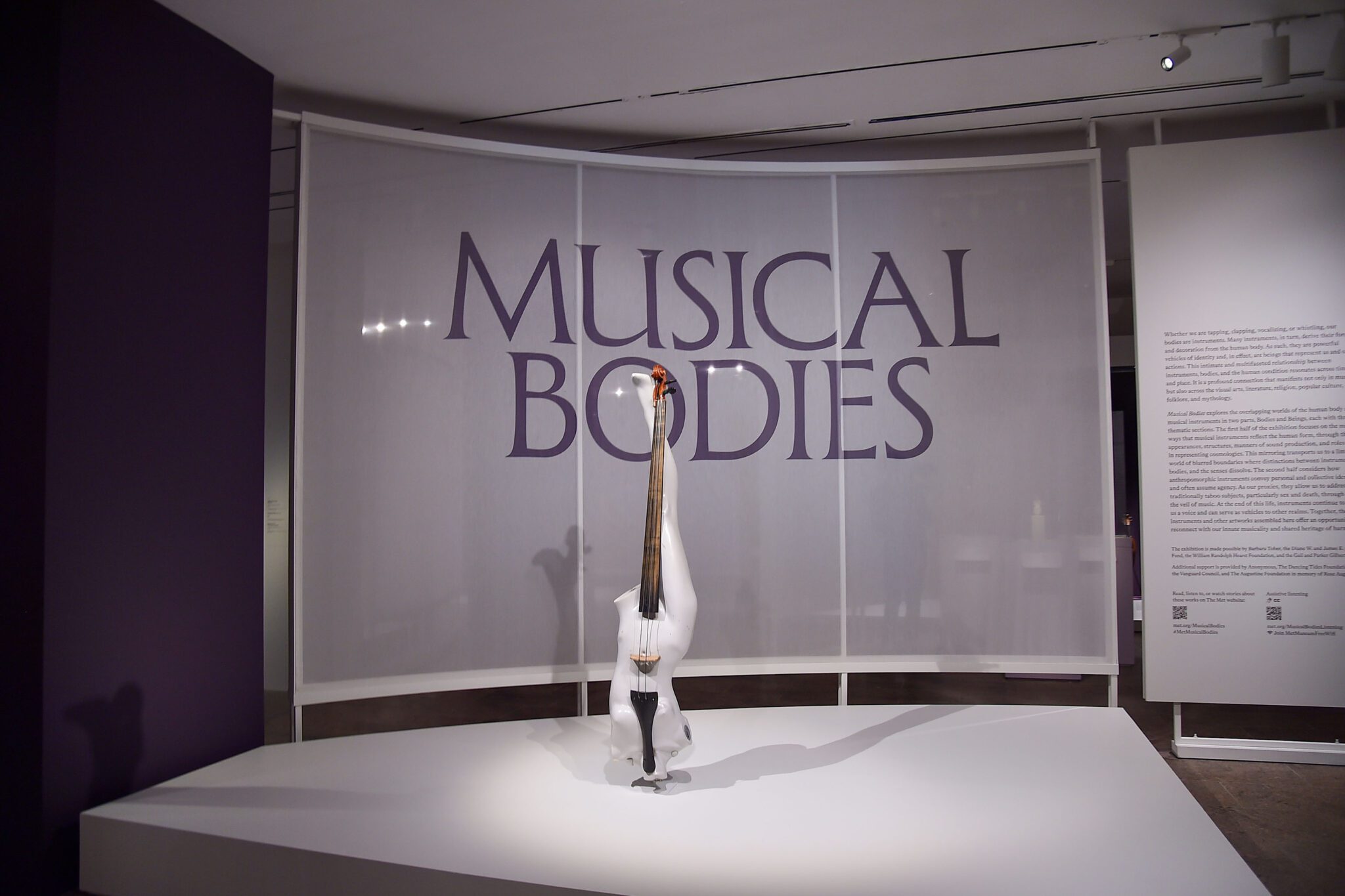
NEW YORK, NY — The Metropolitan Museum of Art has opened one of its most ambitious and imaginative exhibitions in recent years with Musical Bodies, a groundbreaking exploration of the relationship between musical instruments and the human body. Seven years in the making, the exhibition brings together more than 130 objects spanning 4,000 years of history, offering visitors a fascinating journey through music, identity, culture, and human expression.
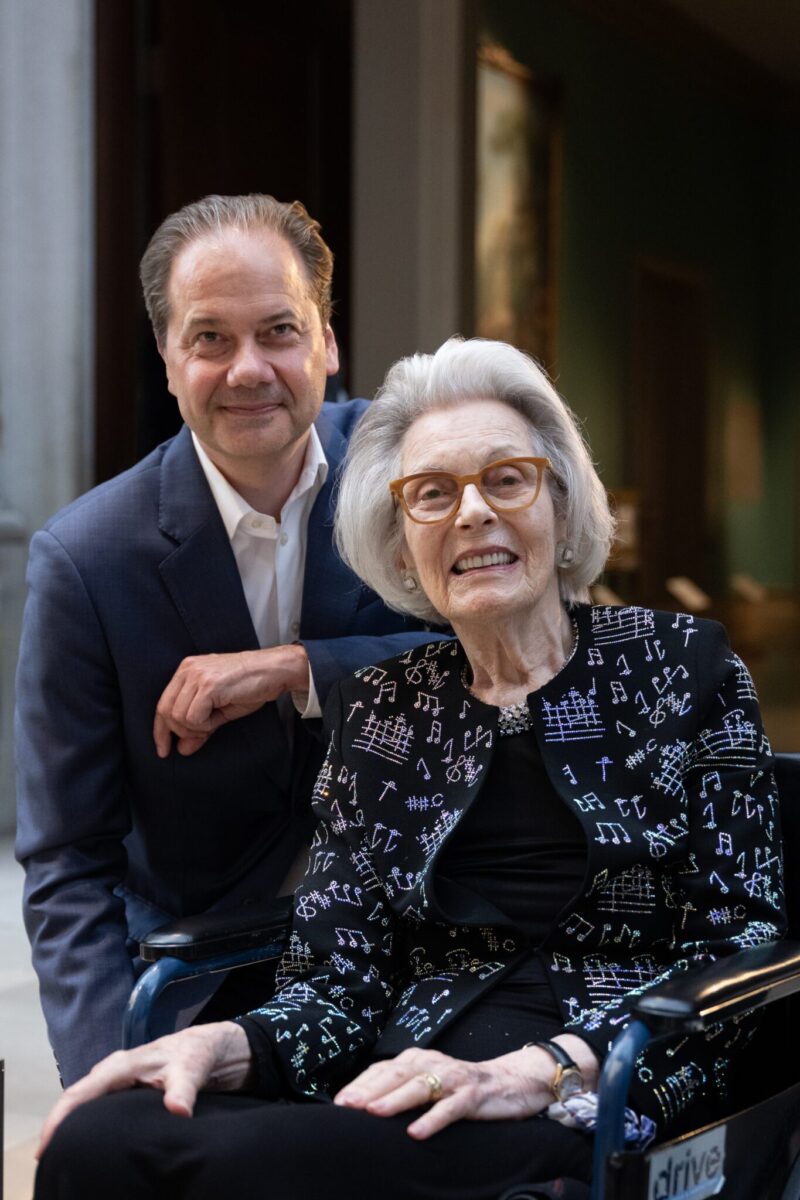
The exhibition is the result of a long-standing friendship and shared vision between Barbara Tober, lead sponsor of the project, and Bradley Strauchen-Scherer, Curator in The Met’s Department of Musical Instruments.
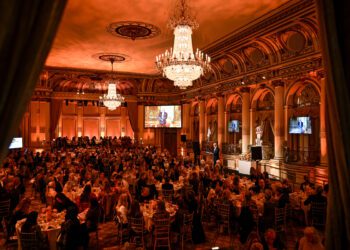
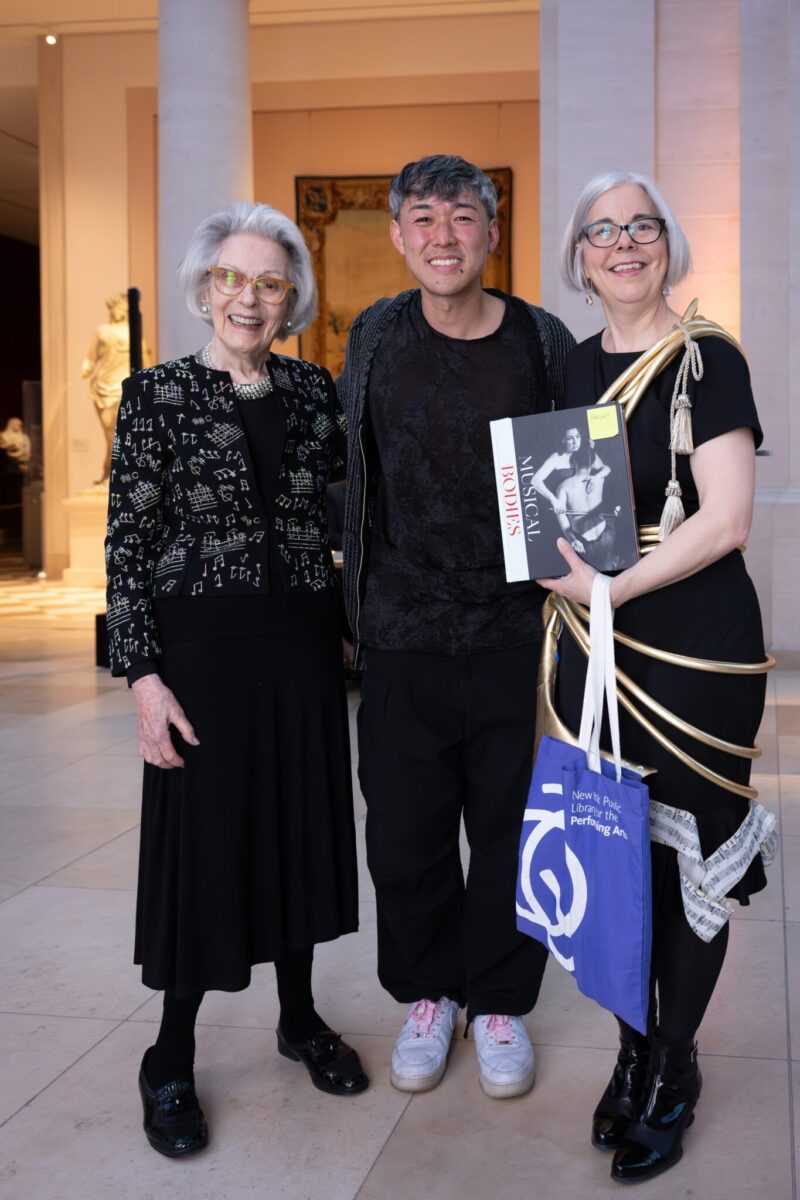
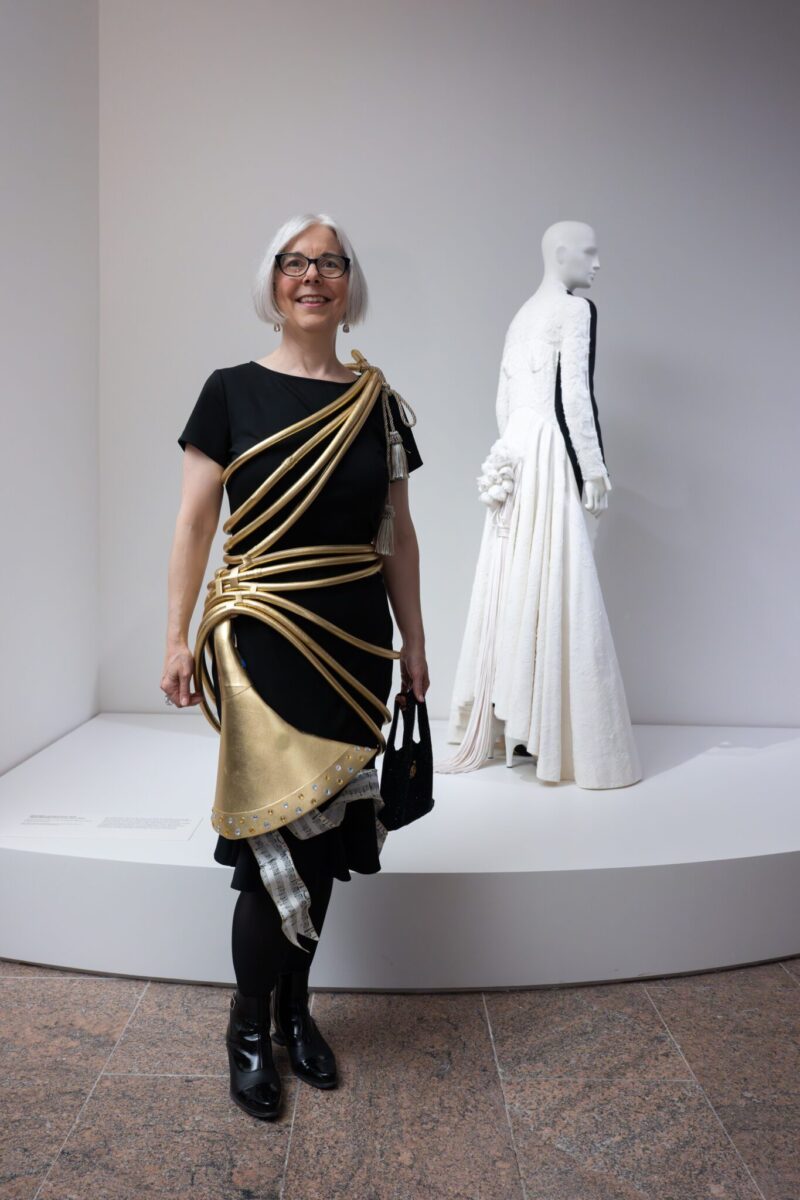
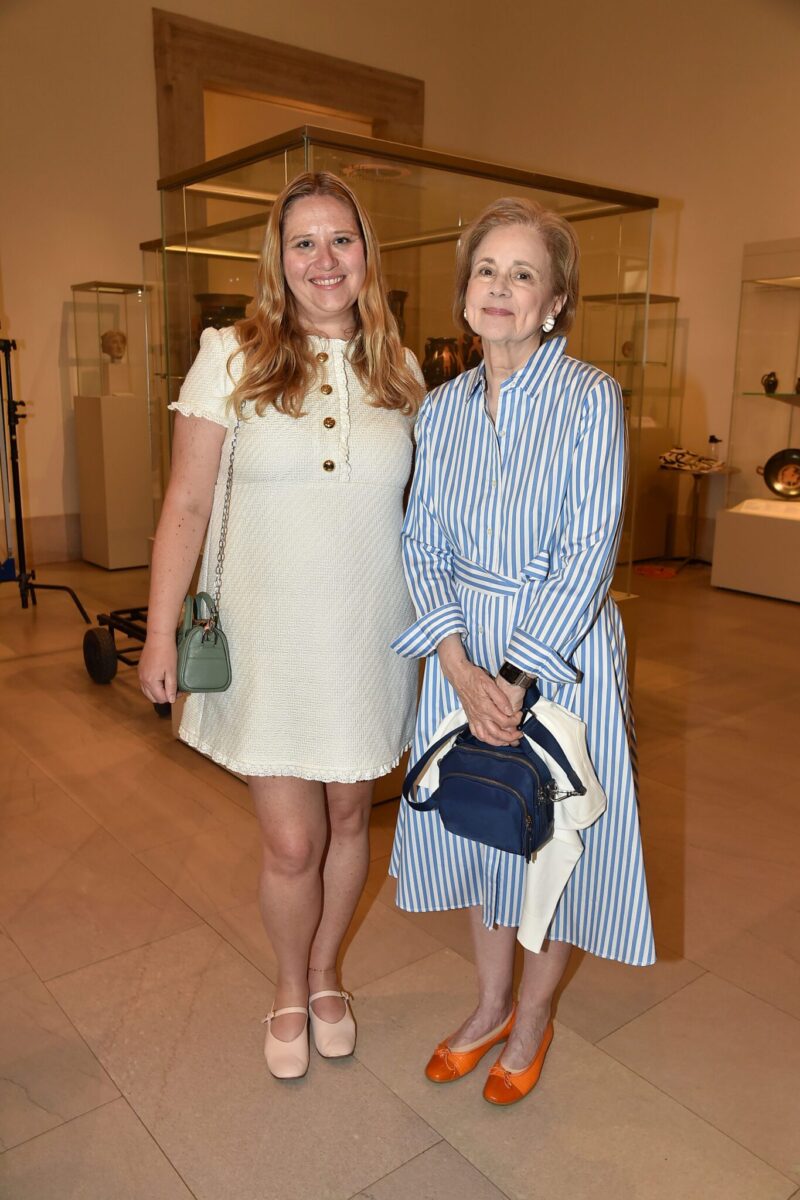
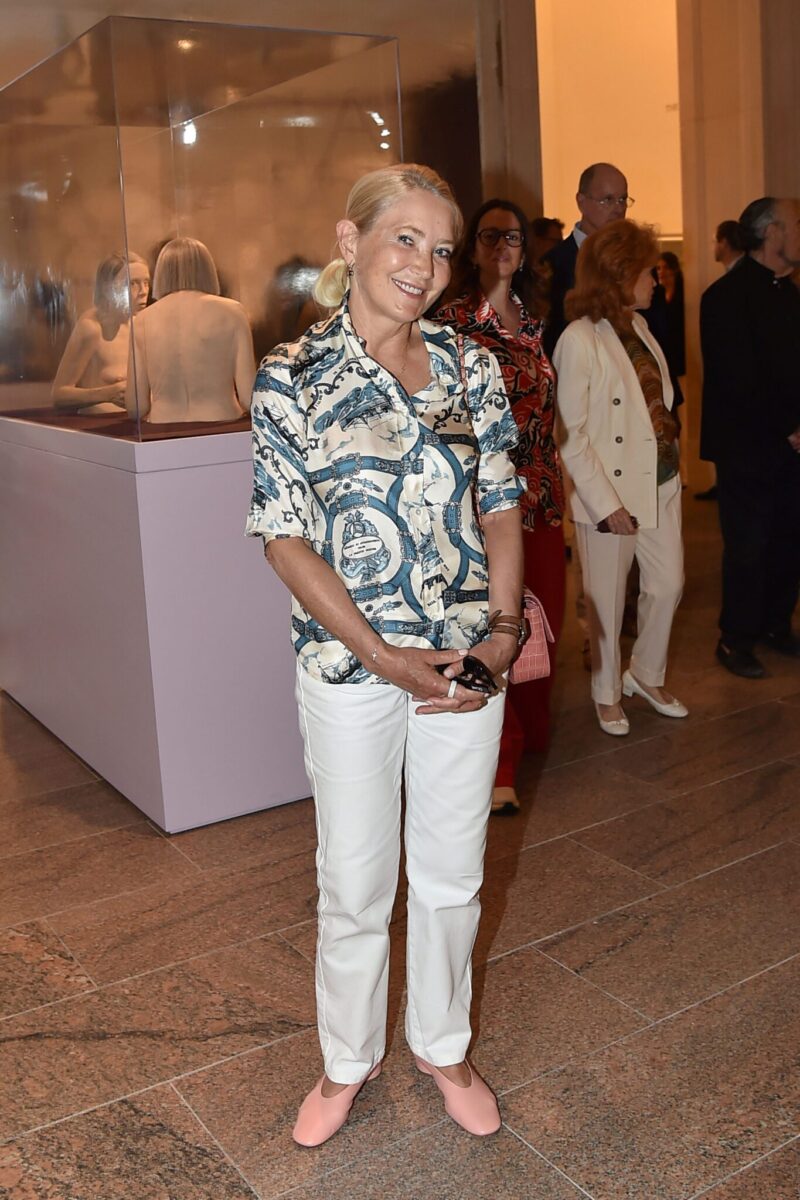
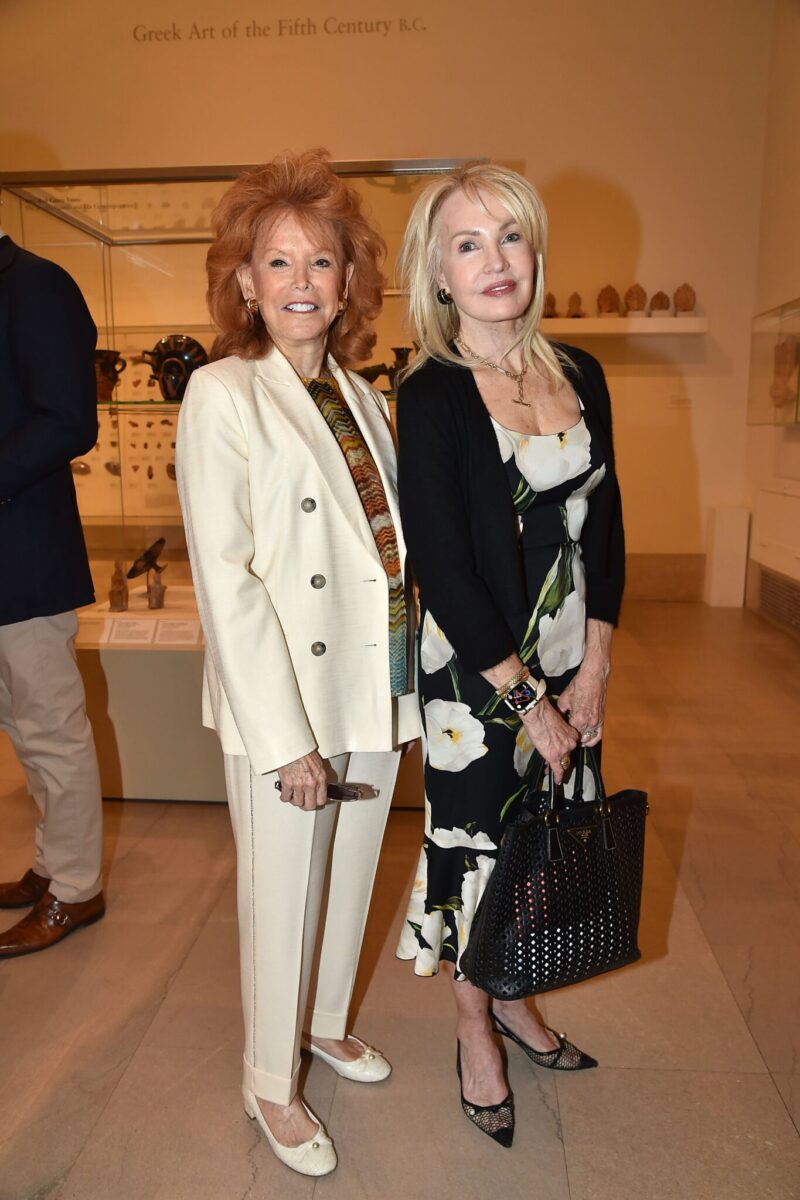
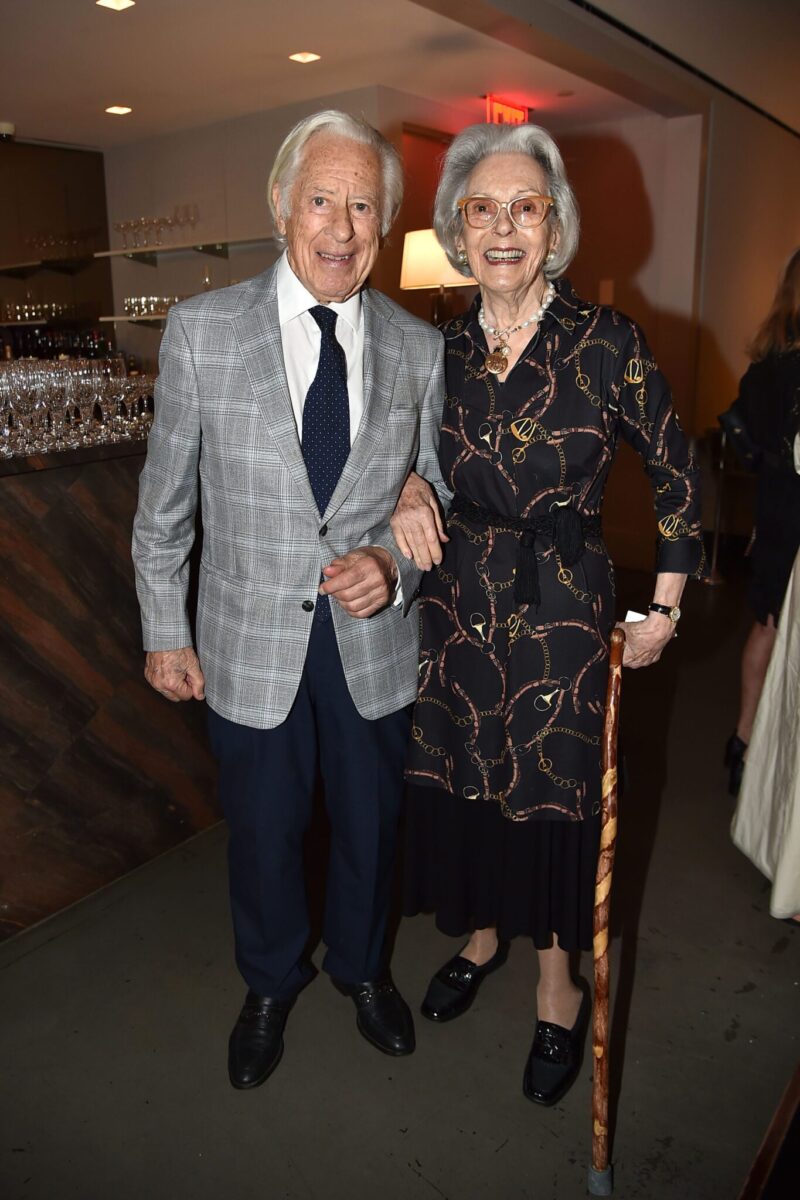
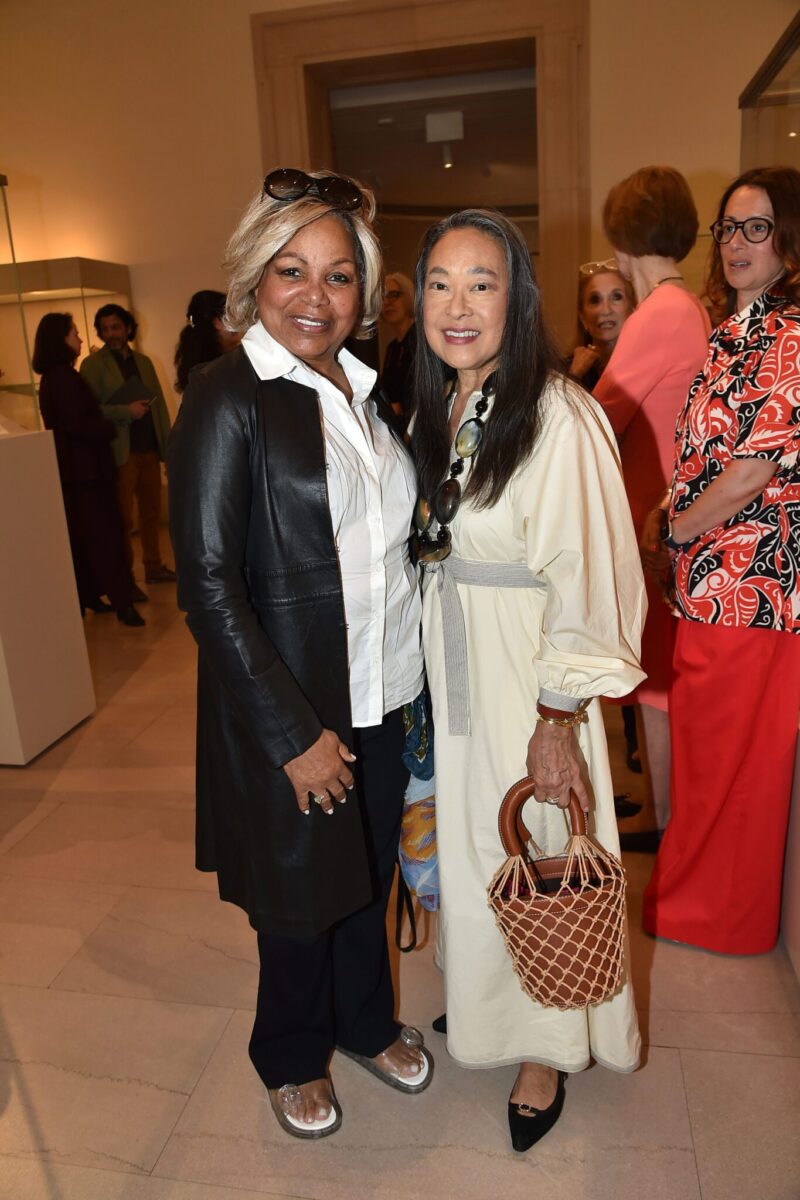
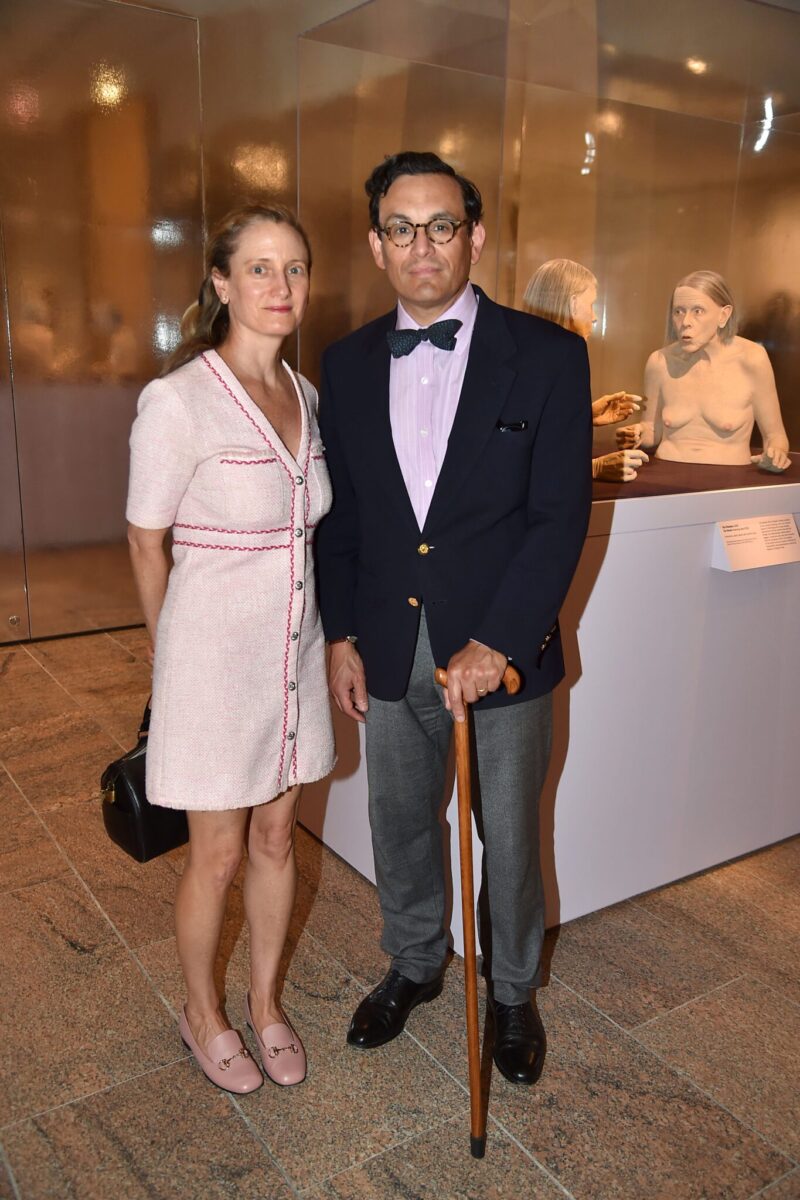
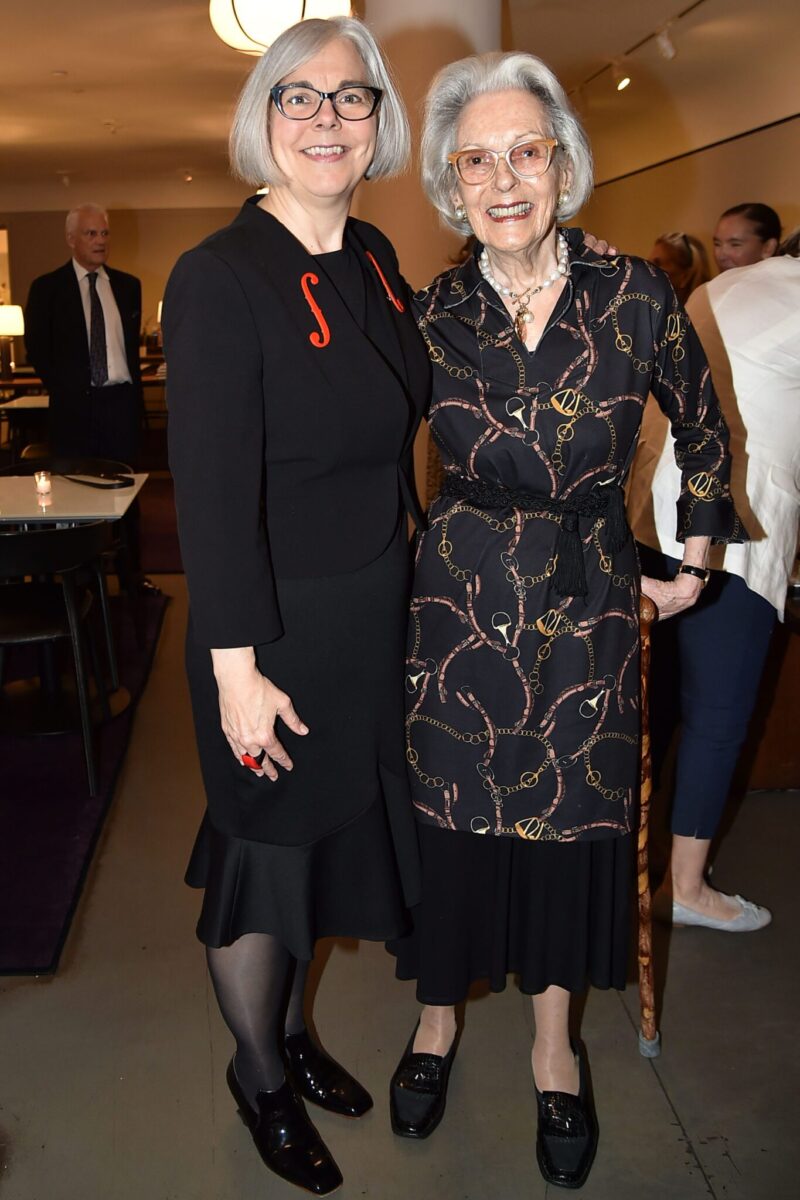
At a private opening preview held on June 1, guests were among the first to experience the exhibition’s remarkable collection and immersive installations before its public debut.



Music as an Extension of the Human Body
According to Strauchen-Scherer, the exhibition centers on a simple but profound idea: every person is, in some way, a musical instrument.
“Each one of us is an instrument, whether it is clapping, tapping, whistling, or singing, and that is at the center of this exhibition,” he explained. “Often we find instruments derive their shape from the form of our bodies, because music has been central to human identity and activity for centuries.”
This concept serves as the foundation of Musical Bodies, which examines how instruments have reflected human anatomy, spirituality, sexuality, mortality, and self-expression throughout history.
A Collection Spanning Millennia
Visitors encounter an extraordinary range of objects drawn from all 17 curatorial departments of The Met, creating a multidisciplinary experience unlike any previous musical exhibition presented by the museum.
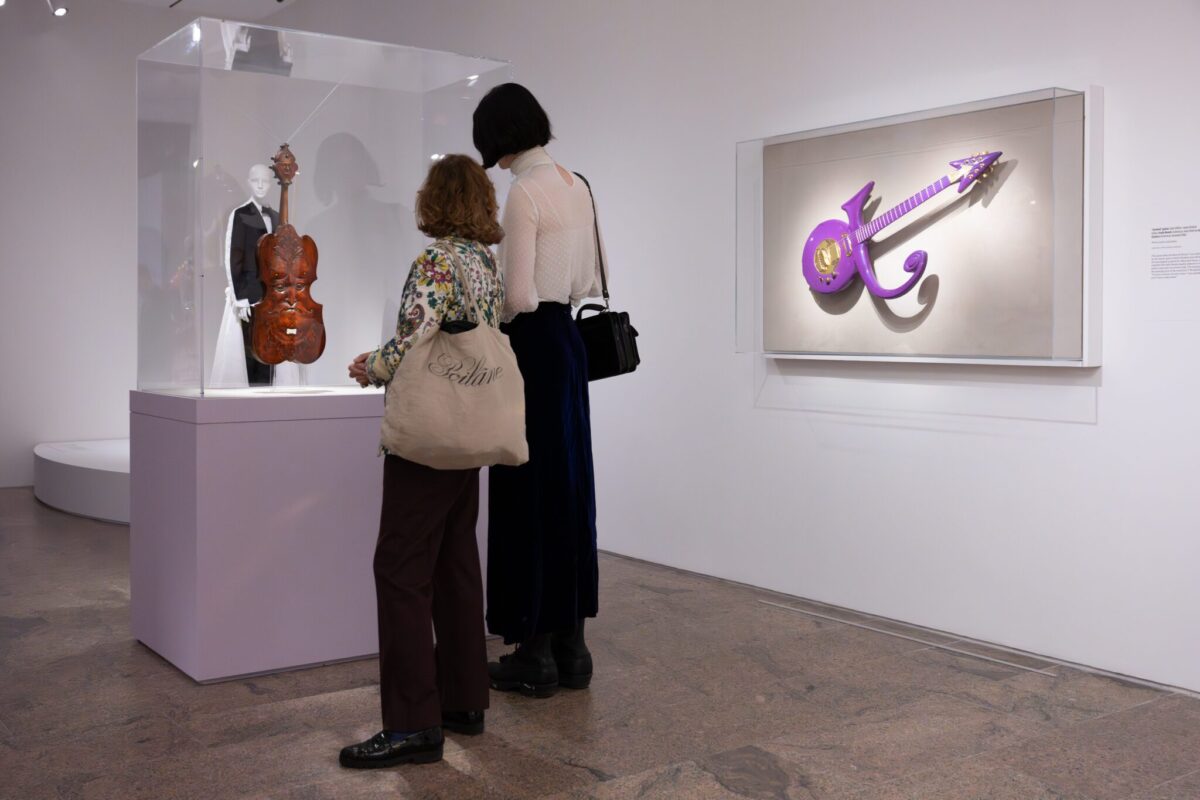
Highlights include Prince’s iconic “Love Symbol” guitar, Liberace’s dazzling “Piano Keys” suit, and a Tom Ford ensemble worn by actress Zazie Beetz at The Met Gala. Historical treasures include a sixteenth-century hermaphrodite “wedding” lira da braccio, ancient Egyptian rattles, and masterpieces by artists such as Titian and Edgar Degas.
The exhibition also features a playful yet thought-provoking Vivienne Westwood “penis” whistle inspired by ancient Roman amulets, demonstrating how musical objects have often carried deeper cultural and symbolic meanings.
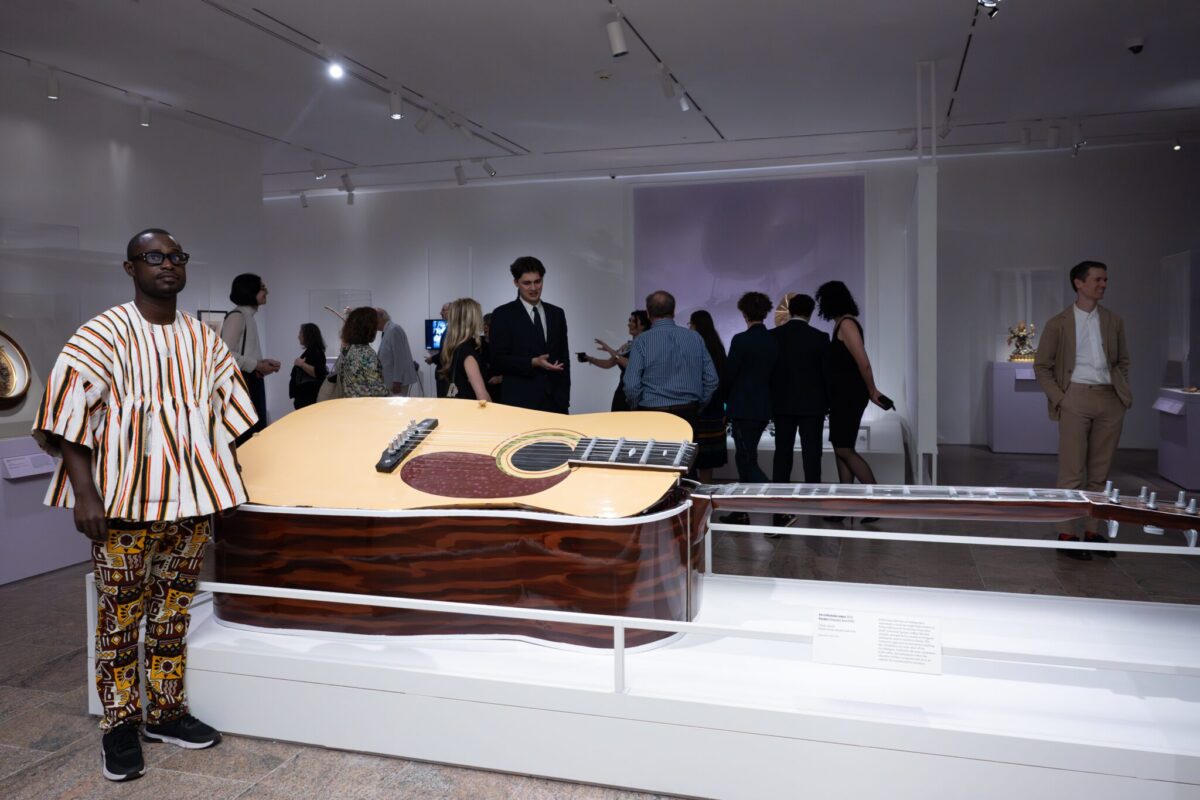
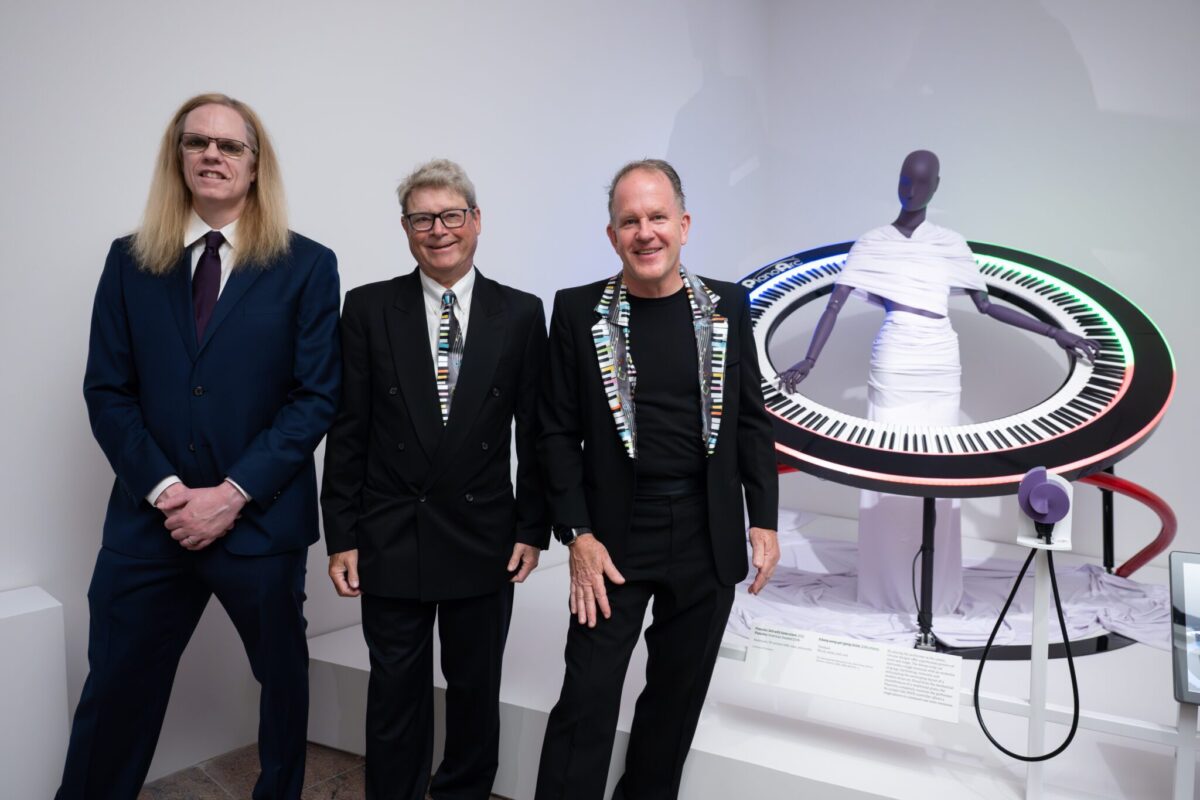
Adding to the exhibition’s contemporary relevance are works such as For A Musician, a guitar-shaped casket created by renowned Ghanaian carpenter Paa Joe. The artist attended the opening alongside Brockett Parsons, Lady Gaga’s keyboardist, who showcased his innovative circular PianoArc keyboard.
Immersive Experiences Bring Music to Life
Beyond its remarkable artifacts, Musical Bodies invites visitors to actively engage with music through interactive and multimedia installations.
Guests can experiment with an interactive keyboard projection and enjoy video presentations featuring celebrated performers including world champion whistler Molly Lewis and legendary tap dancer Savion Glover. These dynamic elements transform the exhibition from a traditional museum experience into a sensory exploration of sound, movement, and performance.
The opening celebration itself reflected that spirit of participation and creativity.
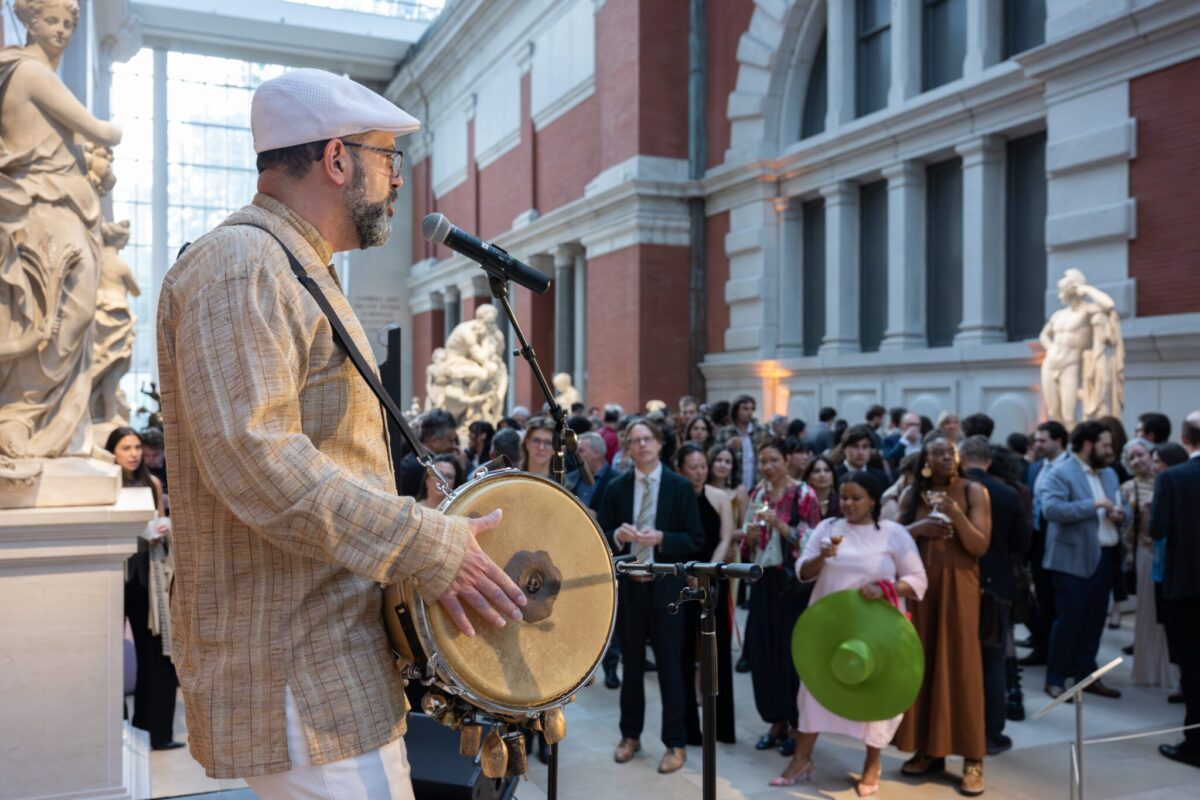
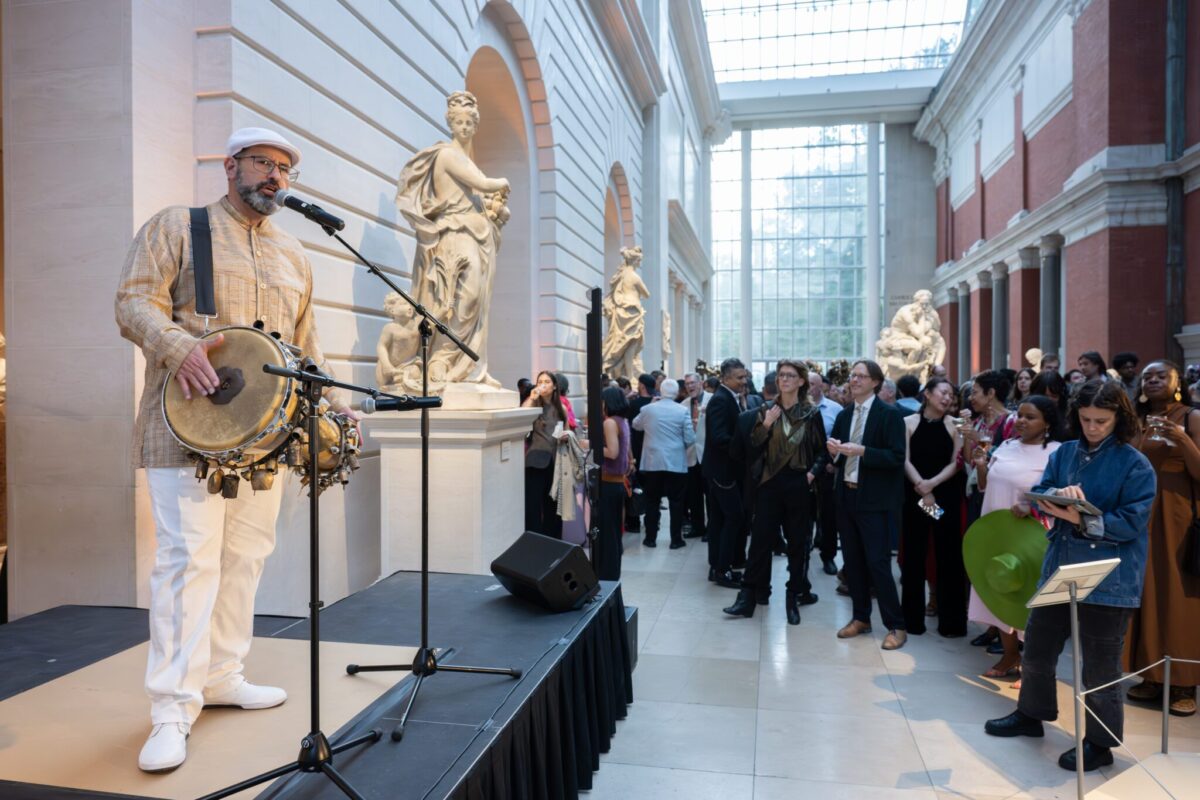
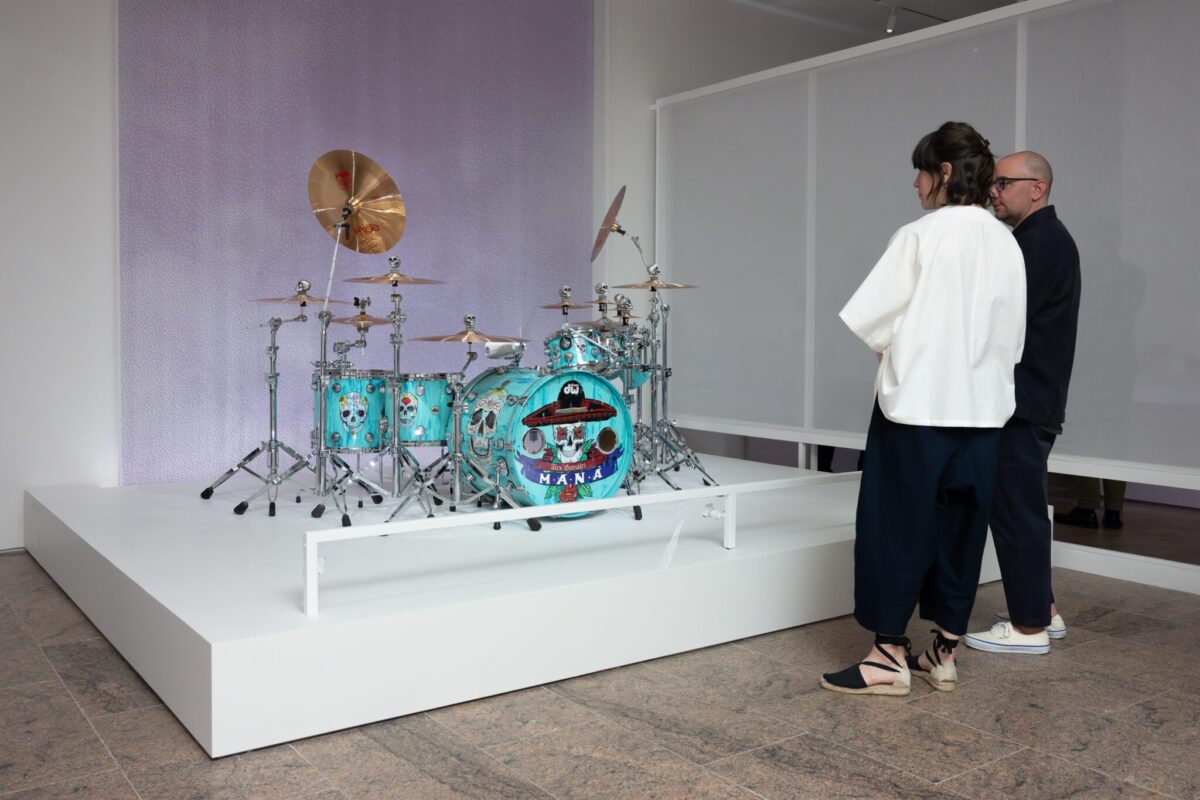
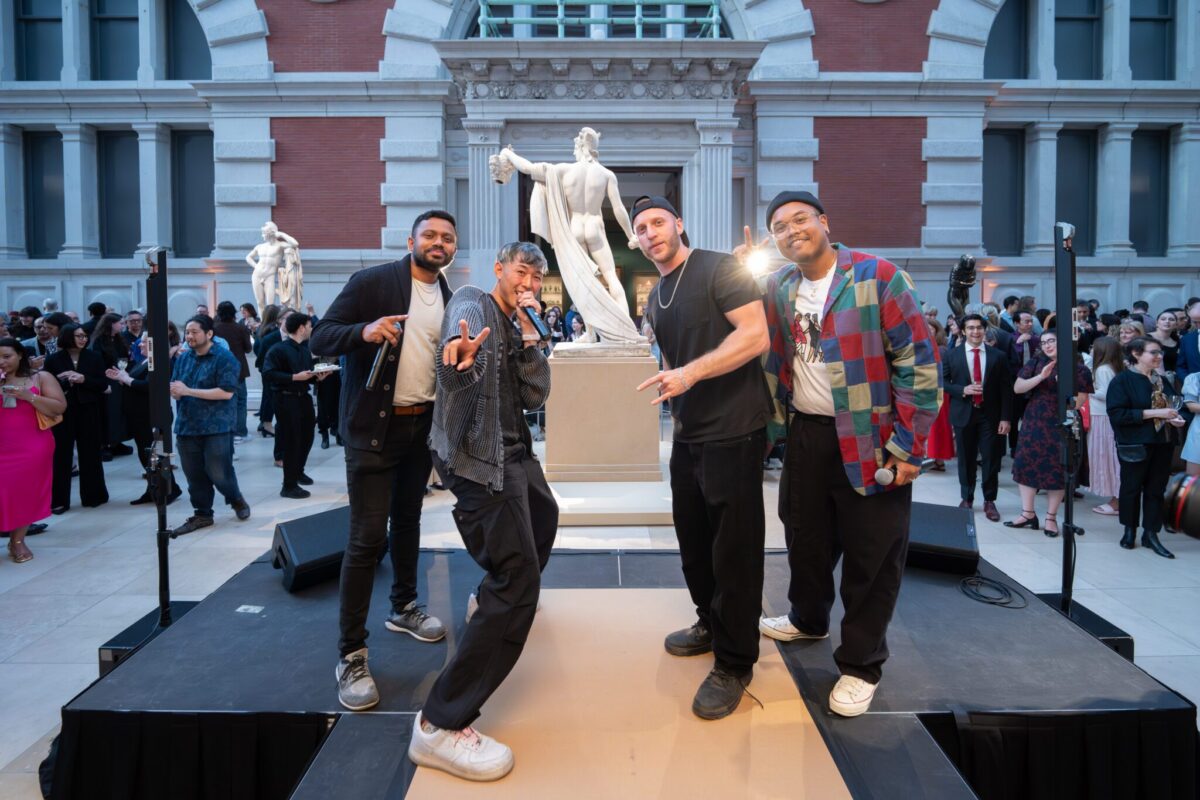
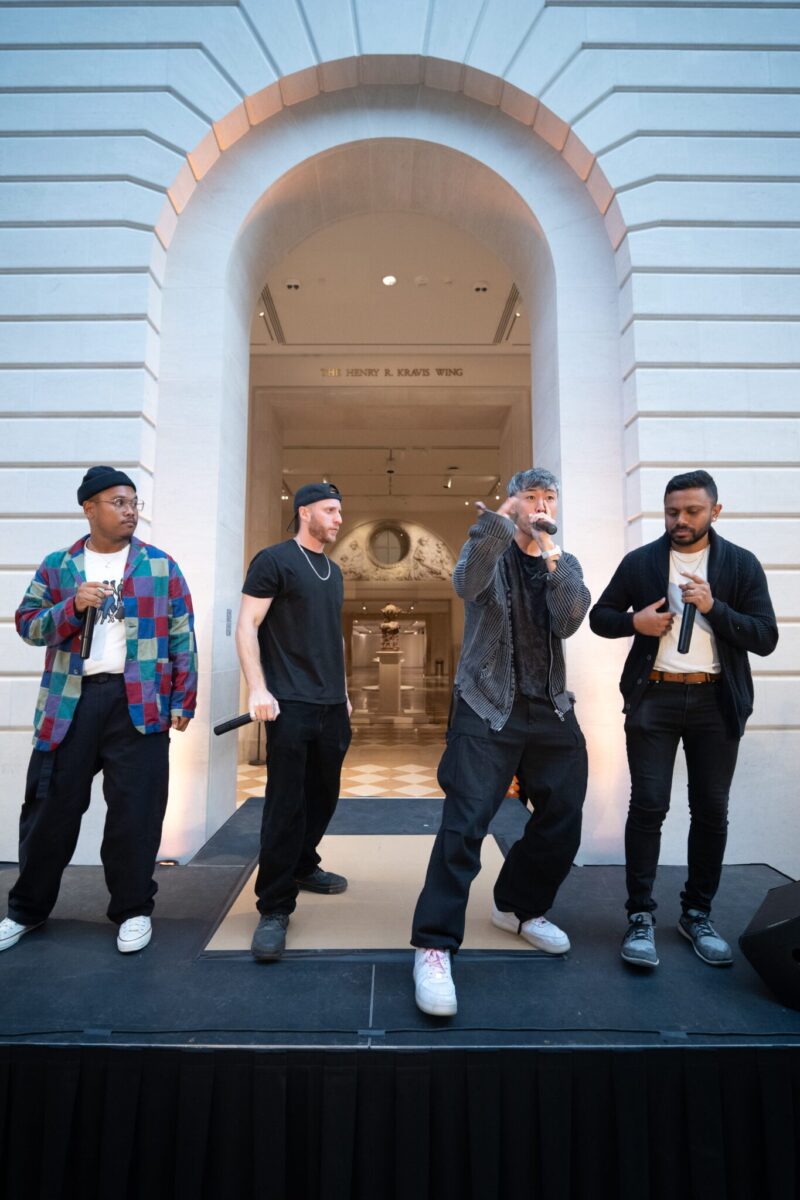
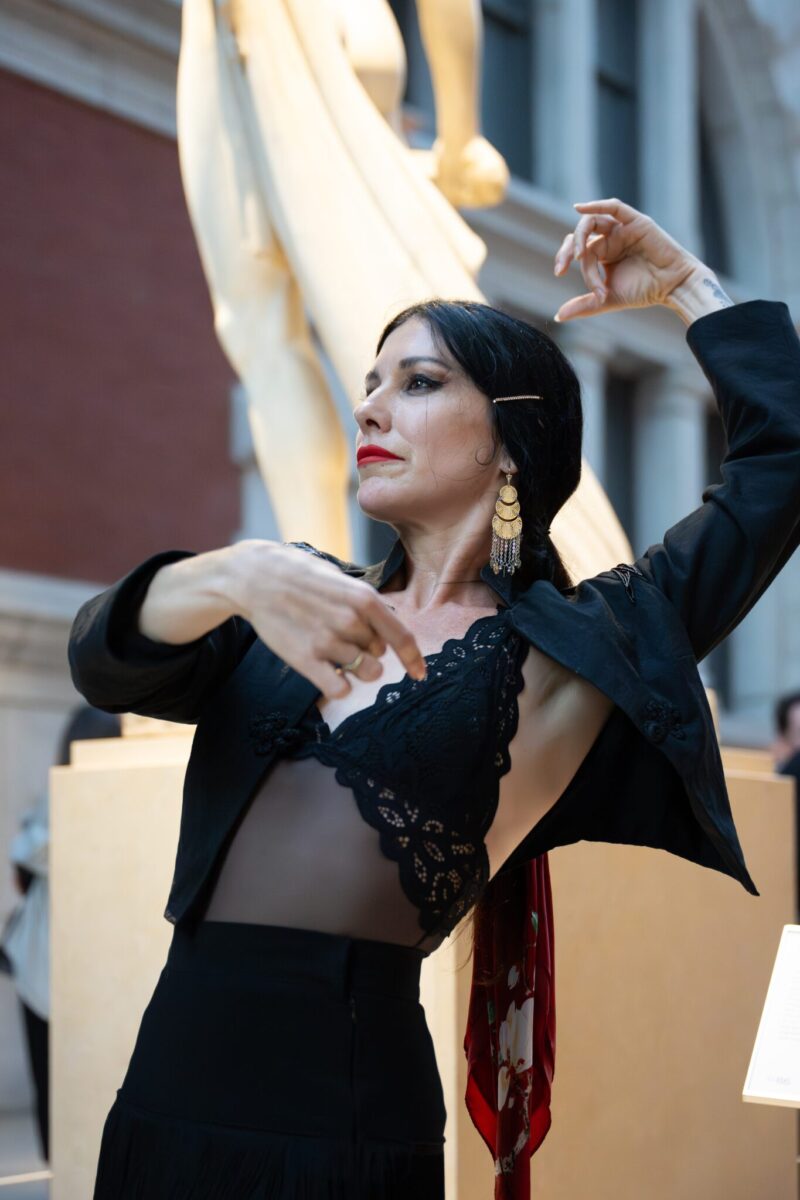
Percussionist Javier Diaz delivered an energetic performance, while flamenco dancer Cristina Candela captivated attendees alongside vocalist Barbara Martinez. Members of Beatbox House energized the crowd with an impromptu beatboxing lesson, encouraging guests to discover the musical possibilities within their own voices.
The Met has announced that a robust schedule of live performances, artist collaborations, and public programs will continue throughout the exhibition’s run.
A Celebration of Joy and Human Connection
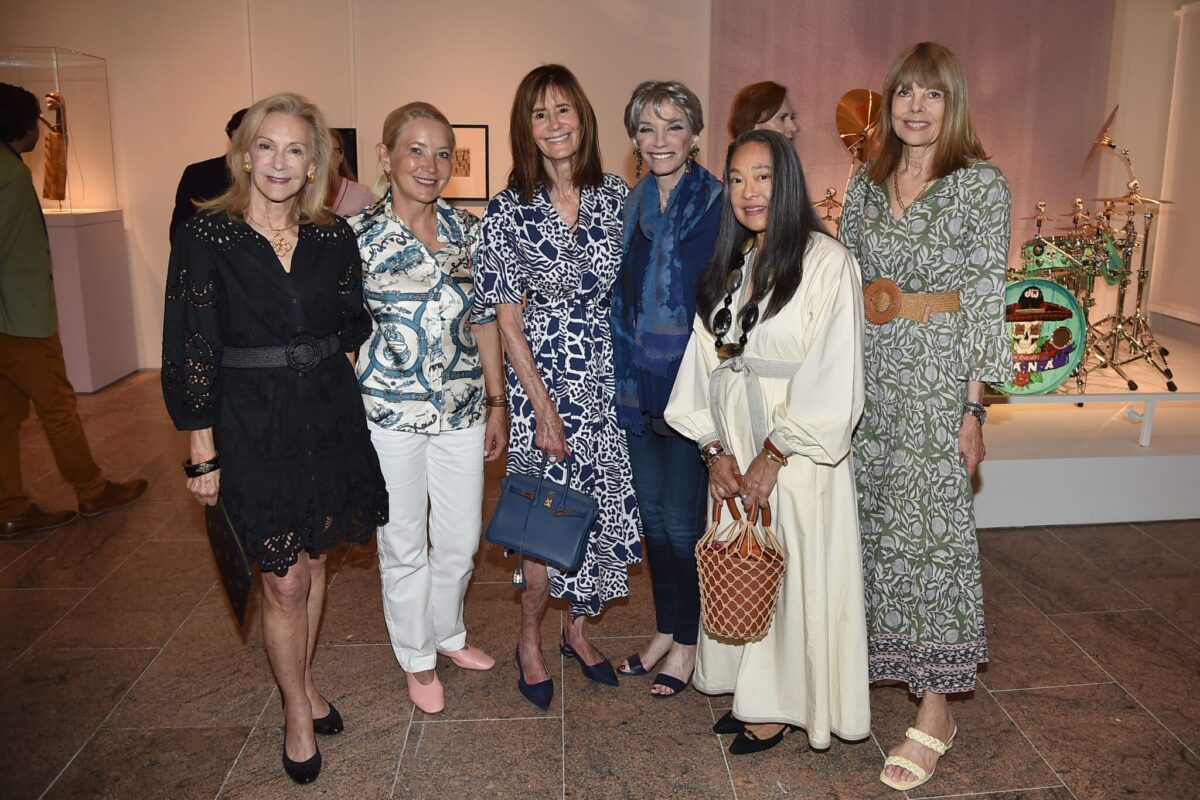
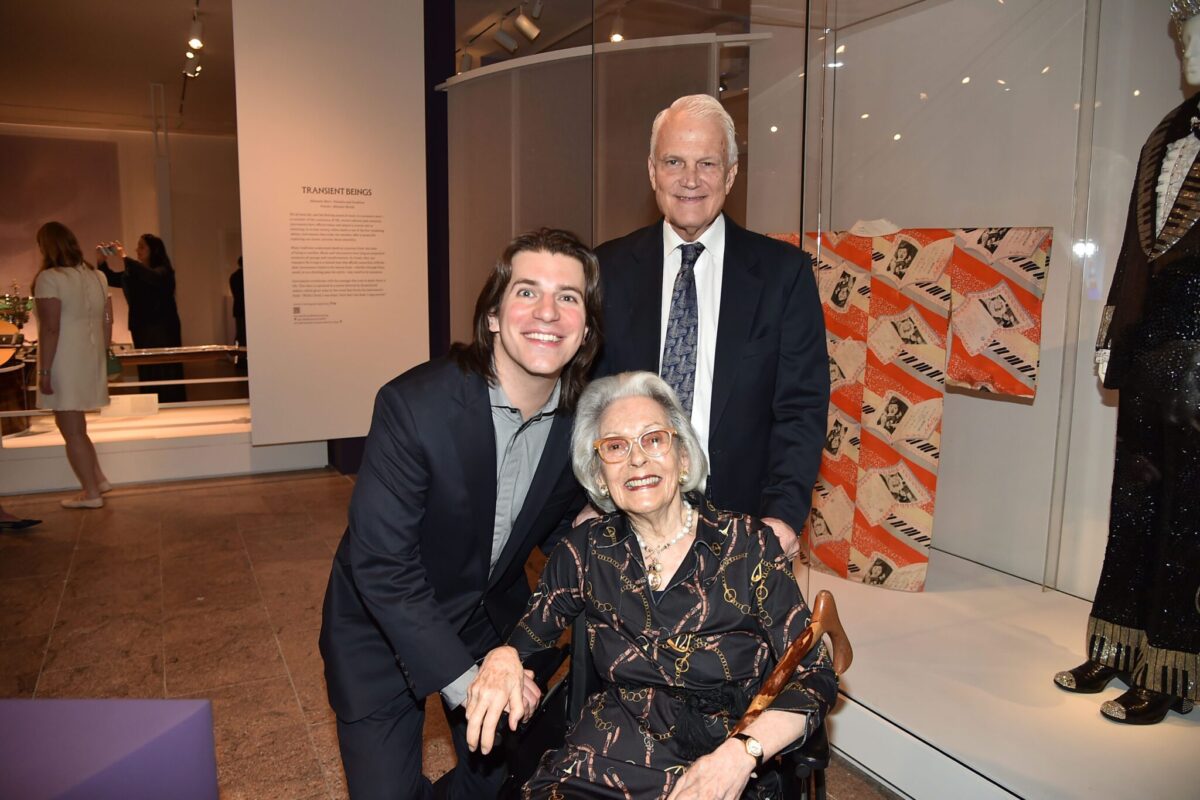
On June 3, Barbara Tober hosted a special private tour and afternoon tea for friends and supporters, led by Strauchen-Scherer.
Reflecting on the exhibition’s emotional significance, Tober shared a personal story about her late husband, Donald.
“You know music is all about love, and I know that because the moment my husband, Donald, started playing the piano, I was gone,” she said. “This exhibition is a place for such joy and exploration that I hope you come and see how important it is that music is not just something to hear, but it’s something to vibrate to as a human being.”
Her remarks captured the exhibition’s central message: music is not merely something we listen to. It is something we experience physically, emotionally, and collectively.
Exploring Identity Across Cultures and Centuries
Organized into six thematic sections, Musical Bodies brings together musical instruments, costumes, contemporary artworks, and multimedia installations to examine the many ways music intersects with human life.
The exhibition explores how instruments can serve as representations of the body while also examining their connections to spirituality, sexuality, identity, ritual, and mortality. Through these themes, visitors gain insight into the universal role music has played across civilizations and generations.
The exhibition includes significant loans from major institutions and private collections around the world, including the Musée de la musique in Paris, the National Music Museum in Vermillion, South Dakota, the Kunsthistorisches Museum in Vienna, and the Royal College of Music in London.
A Must-See Summer Exhibition
By combining ancient artifacts, contemporary fashion, iconic musical instruments, and interactive experiences, Musical Bodies offers a unique perspective on the enduring relationship between music and humanity.
More than an exhibition about instruments, it is an exploration of what it means to be human and how music continues to shape our identities, emotions, and connections to one another.
Musical Bodies will be on view at The Metropolitan Museum of Art from June 7 through September 27, 2026.