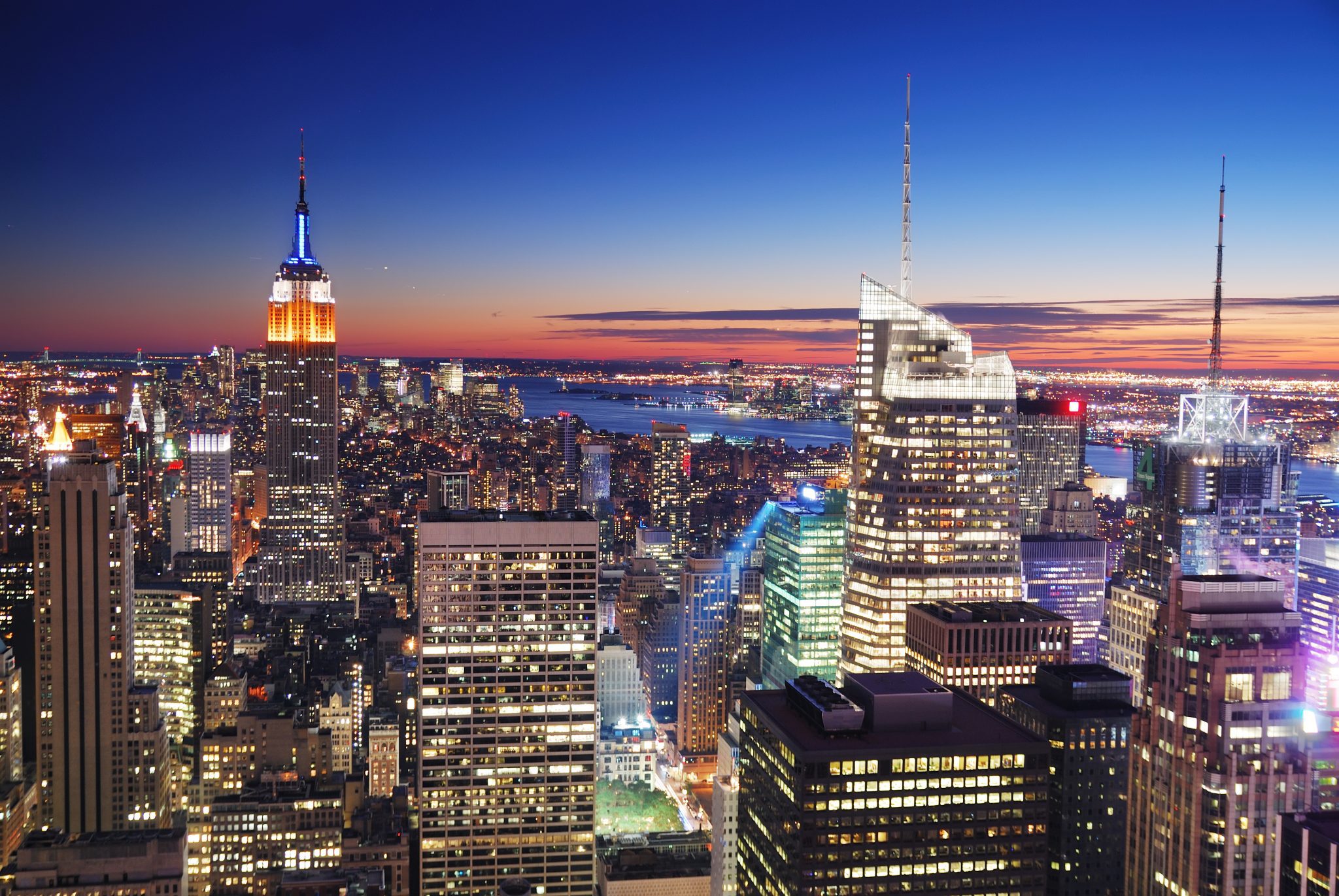
Manhattan’s business ecosystem pulses with energy, hosting over 500,000 daily commuters across sectors from finance on Wall Street to retail in SoHo. This vitality drives a $1.2 trillion economic output, fueling innovation and growth for firms in tech startups, fashion houses, and corporate towers. Premises liability plays a pivotal role here, enabling owners to safeguard employees and patrons while minimizing disruptions.
By prioritizing safe environments, businesses enhance productivity, foster loyalty, and build reputations as responsible leaders. Proactive measures not only comply with New York laws but also yield returns through lower insurance premiums and stronger community ties, positioning companies for sustained success in this competitive landscape.
Core Principles of Premises Liability for Businesses
Premises liability in New York holds property controllers accountable for maintaining safe conditions, rooted in the duty of care owed to invitees like customers and employees. Businesses must reasonably inspect properties, repair known hazards, and provide warnings, such as signage for wet floors. This framework, governed by common law and statutes like Administrative Code §7-210 for sidewalks, encourages diligence without undue burden.
Comparative negligence allows shared fault assessments, where victims recover proportionally to the owner’s responsibility—up to 100% if fully at fault. For commercial spaces, this means integrating safety into operations, from daily audits in Midtown lobbies to equipment checks in Chelsea warehouses. Such practices not only mitigate risks but also empower businesses to operate confidently, turning potential liabilities into assets of trust and efficiency.
Identifying Key Hazards in High-Traffic Commercial Zones
High-traffic areas amplify everyday risks, yet targeted awareness turns vulnerabilities into manageable elements. Wet lobby floors from tracked-in rain plague Midtown office towers during commutes, while uneven escalator treads in SoHo retail strips catch heels amid crowds. Cluttered delivery zones near loading docks in Flatiron District buildings invite trips from boxes or cords, especially in fast-paced e-commerce hubs.
Faulty handrails on stairwells or dim lighting in back-of-house areas further heighten exposure. Manhattan logs 18,500 slip-and-fall incidents annually, with a rate of 1,140 per 100,000 residents, often tied to these commercial hotspots. Retail stores face 2,340 lawsuits yearly citywide, and restaurants see 1,890, underscoring the need for vigilance. Addressing these—through non-slip mats or clear pathways—strengthens patron experiences and employee focus. For businesses seeking expert strategies, consulting a Manhattan personal injury attorney specializing in business liability can provide tailored compliance audits and risk assessments.
2025 Insights: Data Highlighting Prevention Wins
Recent figures illuminate opportunities for impact, with New York City reporting 47,000 slip-and-fall accidents annually, leading to 16,800 emergency room visits and 2,100 serious injuries requiring hospitalization. Manhattan’s commercial density contributes significantly, as premises liability claims rank second among personal injury cases statewide, behind only auto accidents.
Nationwide, these incidents drive 8.9 million ER visits yearly, yet businesses that invest in prevention see measurable gains: Liberty Mutual’s 2025 Workplace Safety Index ranks falls as the second-costliest injury cause at $10.5 billion, but firms with robust protocols report 20-30% reductions in claims. In NYC, average settlements range $15,000 to $45,000 per case, often covered by liability insurance that rewards low-risk profiles with premium discounts up to 15%. These trends affirm that data-driven safety enhances resilience, allowing Manhattan enterprises to channel resources toward expansion rather than remediation.
Mastering New York’s Legal Landscape for Compliance
New York’s premises liability statutes equip businesses with clear guidelines for protection and accountability. Owners must exercise reasonable care, including compliance with Local Law 196’s site safety training for construction-related activities in commercial builds. For employee injuries, workers’ compensation provides no-fault coverage, but third-party claims against negligent vendors or landlords fall under premises rules with a three-year statute of limitations. Patrons, as invitees, trigger heightened duties, such as immediate hazard mitigation post-storm under the “storm in progress” doctrine. Government properties require 90-day notice of claims, a nuance for mixed-use developments. Comparative fault caps recoveries only if victim negligence exceeds 50%, preserving fair outcomes. These provisions, updated through 2025 judicial precedents, promote equitable resolutions—95% of claims settle pre-trial via insurance—enabling businesses to resolve issues swiftly and refocus on core operations.
Strategic Prevention: Building Safer Workplaces
Effective prevention integrates seamlessly into daily routines, delivering both compliance and competitive edges. Implement digital audit apps for hourly floor checks in high-volume areas, flagging spills before they escalate; tools like these have cut incident rates by 25% in pilot NYC programs. Train staff via annual workshops on protocols, from cord management in open-plan offices to ice removal in entryways, aligning with OSHA’s emphasis on slip-resistant footwear. Upgrade infrastructure with LED lighting for better visibility and automatic doors to ease congestion. Insurance partnerships offer risk assessments, often at no extra cost, identifying fixes like anti-fatigue mats that boost employee comfort and retention. For delivery zones, designated clear paths with barriers prevent 40% of trip hazards. These steps not only avert the $70 billion annual U.S. business cost from slips but also elevate morale, with safer environments linked to 15% higher productivity in urban settings.
Success Stories: Resolutions Driving Forward Momentum
Real resolutions showcase how Manhattan businesses turn challenges into triumphs. In a 2025 Midtown case, a retail chain settled a lobby slip for $35,000 after swift remediation, using the outcome to install sensor-activated dryers that eliminated future moisture risks—claims dropped 30% post-implementation. Another Flatiron tech firm navigated an escalator tread injury through mediation, securing $50,000 coverage while partnering with engineers for borough-wide upgrades, enhancing their ESG profile and attracting talent. A SoHo restaurant resolved a patron fall via insurance arbitration at $28,000, then launched staff-led safety committees that earned community awards and 10% foot traffic growth. These examples, drawn from NYC Comptroller reports of 13,397 resolved claims in FY2024 totaling $1.94 billion, highlight efficient paths: early documentation, expert mediation, and post-incident improvements. By viewing incidents as catalysts for enhancement, businesses fortify operations, ensuring patrons and teams return with confidence.