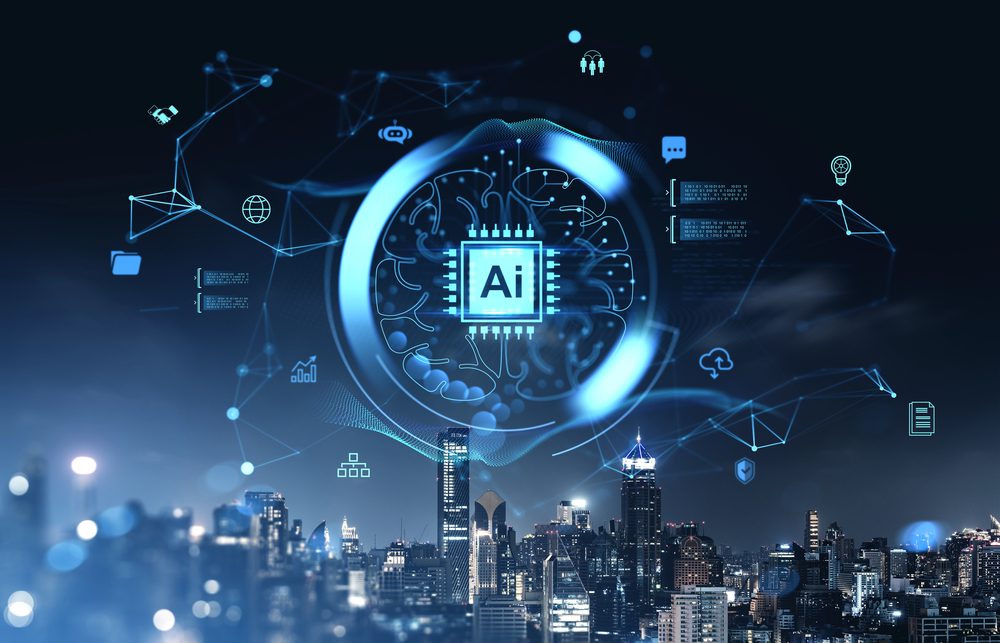
For decades, luxury has been defined by craftsmanship, exclusivity, and human touch. From the discreet service of Parisian ateliers to the tailored experiences of five-star hotels, ultra-affluent consumers have come to expect a level of personalization that technology has traditionally struggled to replicate. But in recent years, artificial intelligence (AI) has quietly transformed this landscape, ushering in a new era of hyper-personalized experiences that are both data-driven and emotionally resonant.
Luxury brands are now leveraging AI not as a cold, automated tool, but as a strategic creative partner — one that can anticipate desires, craft bespoke experiences, and deliver meaningful interactions at scale. For ultra-high-net-worth individuals (UHNWIs), this means entering a future where every touchpoint — from fashion to travel, art to wellness — feels intuitively designed for them.
The personalization paradox
Luxury has always balanced exclusivity with accessibility. On one hand, UHNW consumers want products and experiences that are truly unique; on the other, they expect seamless, global access to their preferred brands and services. Traditional personalization — relying on sales associates, concierge services, and VIP programs — is inherently limited by human capacity and geography.
AI changes this equation. By analyzing patterns in consumer behavior, preferences, cultural signals, and even emotional responses, AI systems can deliver experiences that feel personally crafted, no matter where the client is. For example, luxury fashion houses are using AI to analyze a client’s past purchases, event calendar, travel plans, and even climate data to pre-select wardrobe options before a stylist consultation. High-end travel brands are building adaptive itineraries that shift in real time based on client moods and environmental conditions.
This fusion of data intelligence and human service is creating a new standard of personalization that goes beyond the boutique — it travels with the client, wherever they go.
Couture meets code: fashion’s AI evolution
The fashion sector is at the forefront of this transformation. Leading maisons are experimenting with AI tools that enhance creativity and client experience simultaneously. Algorithms trained on decades of archival collections can propose novel silhouettes or patterns that reflect a house’s heritage while introducing fresh aesthetics. Designers then refine these AI-generated proposals, blending digital innovation with artisanal expertise.
For clients, personalization begins long before they step into a salon. Virtual styling assistants can create entire lookbooks tailored to a client’s lifestyle — whether they’re attending galas in Monaco, private art openings in New York, or family retreats in the Alps. Some brands are integrating generative design platforms into their haute couture fittings, allowing clients to visualize unique embroidery or fabric treatments in real time through AR mirrors and immersive displays.
By combining historical craftsmanship with real-time data and generative technology, fashion houses are redefining bespoke for the modern luxury consumer.
High-tech hospitality
The hospitality sector is also embracing AI to offer ultra-personalized luxury experiences. In leading hotels and private resorts, AI systems quietly analyze guest behavior to anticipate needs before they are voiced. This goes beyond remembering a preferred room temperature or wine list. Today’s AI-driven concierge can adjust spa treatments based on biometric feedback, prepare customized wellness menus aligned with personal health goals, or curate private cultural tours tailored to guests’ intellectual interests.
Some luxury hotels are also experimenting with subtle storytelling technologies. For example, an in-room welcome experience might combine ambient lighting, scent diffusion, and a female voiceover narrating a curated introduction to the destination — blending sensory design with personalization. These touches don’t replace human hospitality; they augment it, ensuring every interaction feels thoughtful and unique.
Art, collectors, and algorithmic curation
For UHNW collectors, the art world has always been a blend of passion and discretion. Now, AI is transforming how art is discovered, valued, and experienced. Advanced algorithms can analyze global exhibition data, auction trends, social sentiment, and curatorial themes to suggest artworks that align with a collector’s taste and portfolio strategy.
Some galleries are deploying AI-powered recommendation systems to present curated selections privately to top clients — often before works are made public. Others are using generative AI to create immersive digital environments where clients can visualize how a painting or sculpture would look in different homes, lighting conditions, or architectural contexts. This reduces friction in decision-making and enhances the emotional connection between collector and artwork.
Ultra-personalized travel and experiences
For the ultra-affluent traveler, personalization extends far beyond luxury suites and first-class cabins. AI is enabling predictive personalization — crafting itineraries and experiences that adapt to a traveler’s evolving preferences. Bespoke travel companies are using AI to analyze historical data, social media signals, and behavioral patterns to build journeys that surprise and delight.
Imagine an itinerary that subtly evolves as you travel: a private chef prepares a menu inspired by local ingredients you showed interest in earlier in the day; your yacht’s route shifts slightly to align with an unexpected cultural festival you might enjoy; a tailored concert is arranged at a hidden venue based on your musical tastes. AI makes this level of fluid, anticipatory luxury possible — all while maintaining the discretion and elegance that UHNW travelers demand.
The emotional dimension of AI personalization
Perhaps the most striking development is AI’s ability to interpret and respond to emotional cues. Through natural language processing, sentiment analysis, and behavioral modeling, luxury brands can create experiences that feel emotionally intelligent. Whether it’s tailoring a product launch invitation to resonate with a client’s personal passions or designing in-store interactions that reflect a client’s communication style, AI personalization is moving beyond demographics into the realm of psychology and emotion.
This emotional intelligence is especially powerful for brands operating in heritage sectors, where authenticity and storytelling are paramount. AI can analyze a brand’s historical narrative and weave it into personalized communications, ensuring that technology serves tradition — not the other way around.
Privacy, ethics, and trust
Of course, personalization at this scale relies on access to sensitive data. For UHNW clients, privacy is paramount. Luxury brands must balance innovation with impeccable data governance. Secure infrastructure, transparent data policies, and human oversight are essential to building trust.
Many luxury houses are adopting privacy-by-design approaches, ensuring that personalization algorithms run on encrypted, localized data rather than centralized consumer databases. Some are exploring blockchain solutions to give clients greater control over their data — even allowing them to “license” their preferences to brands in exchange for exclusive benefits.
For AI-driven personalization to thrive in the luxury space, trust and discretion must remain at the center of the experience.
A future shaped by human + machine creativity
The rise of AI in luxury personalization isn’t about replacing personal service with algorithms. It’s about expanding the creative and experiential possibilities available to brands and their clients. By blending data-driven insight with human artistry, luxury companies can deliver experiences that are simultaneously more personal, more intuitive, and more inspiring than ever before.
For ultra-affluent consumers, this means stepping into a future where luxury is not just about ownership, but about deeply personal connection — where every product, service, and interaction reflects their unique identity, values, and aspirations.