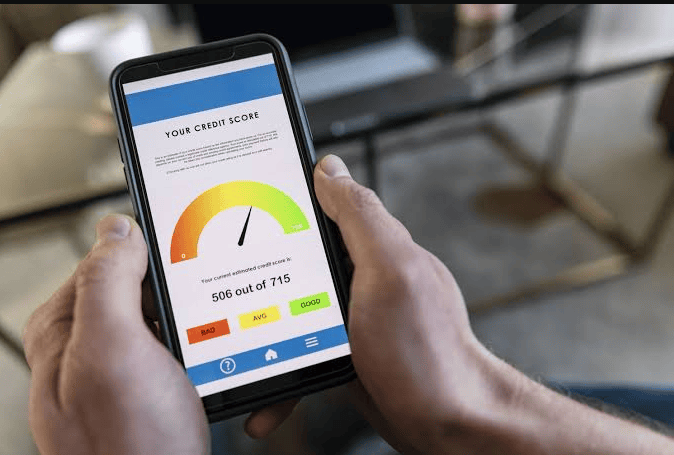
A good credit score can open the door to better financial opportunities, including lower interest rates, easier loan approvals, and better credit card offers. However, many people struggle with low credit scores because of missed payments, high balances, limited credit history, or financial mistakes.
Improving your credit score does not happen overnight, but with the right strategies, you can make meaningful progress in a short period of time. By understanding how credit scores work and taking smart financial actions, you can build stronger credit and improve your overall financial health.
What Is a Credit Score?
A credit score is a number that represents your creditworthiness. Lenders use it to evaluate how likely you are to repay borrowed money on time.
Credit scores are generally influenced by factors such as:
- Payment history
- Credit utilization
- Length of credit history
- Types of credit accounts
- New credit applications
A higher credit score usually indicates responsible financial behavior and can help you qualify for better financial products.
1. Check Your Credit Report for Errors
One of the fastest ways to improve your credit score is to review your credit report and look for mistakes.
Credit report errors may include:
- Incorrect personal information
- Accounts that do not belong to you
- Wrong payment records
- Duplicate accounts
- Outdated negative information
If you find inaccurate information, dispute the errors with the credit reporting agency. Removing incorrect negative information may help improve your score.
2. Pay Your Bills on Time
Payment history is one of the most important factors affecting your credit score. Even one missed payment can negatively impact your credit profile.
To improve your payment habits:
- Set up automatic payments
- Use calendar reminders
- Pay at least the minimum amount due
- Avoid missing due dates
Consistently paying bills on time shows lenders that you are financially responsible.
3. Reduce Your Credit Card Balances
Your credit utilization ratio measures how much of your available credit you are using. A high balance compared to your credit limit can lower your score.
For example, if your credit card limit is $5,000 and your balance is $4,000, your credit utilization is high.
To improve your credit score quickly:
- Pay down credit card balances
- Avoid maxing out credit cards
- Keep balances low
- Make extra payments when possible
Reducing your credit utilization can have a positive impact on your credit score.
4. Keep Old Credit Accounts Open
The length of your credit history can affect your credit score. Closing old accounts may reduce your available credit and shorten your credit history.
If an old credit card has no annual fee and is not causing financial problems, keeping it open may help maintain your credit history.
However, avoid keeping accounts open if they encourage unnecessary spending.
5. Avoid Applying for Too Much New Credit
Every time you apply for new credit, a hard inquiry may appear on your credit report. Multiple applications in a short period can make you appear financially risky.
To protect your credit score:
- Apply only when necessary
- Research approval requirements before applying
- Avoid multiple credit applications at once
Being selective with new credit accounts can help maintain a healthy credit profile.
6. Increase Your Credit Limit
Increasing your credit limit can improve your credit utilization ratio if you do not increase your spending.
For example, if your balance stays the same but your credit limit increases, your credit utilization decreases.
You can request a higher limit from your credit card provider, but make sure you have good payment habits before doing so.
7. Become an Authorized User
If you have limited credit history, becoming an authorized user on someone else’s responsible credit account may help improve your credit profile.
A family member or trusted person with a long history of on-time payments and low balances may allow you to benefit from their positive credit behavior.
However, choose carefully because their missed payments can also affect your credit.
8. Pay Off Outstanding Debts
Reducing your overall debt can improve your financial position and may positively affect your credit score.
Create a repayment plan by:
- Listing all debts
- Prioritizing high-interest balances
- Making consistent payments
- Avoiding new unnecessary debt
Lower debt levels show lenders that you manage borrowed money responsibly.
9. Use Credit Responsibly
Having credit is not automatically harmful. Responsible credit use can help you build a stronger credit history.
Good credit habits include:
- Using credit only when needed
- Paying balances on time
- Keeping spending within your budget
- Avoiding unnecessary purchases
The goal is to show that you can manage credit effectively.
10. Consider a Secured Credit Card
For people with poor or limited credit history, a secured credit card can be a useful tool for rebuilding credit.
A secured credit card requires a cash deposit that usually becomes your credit limit. By using the card responsibly and making timely payments, you may gradually improve your credit profile.
11. Negotiate With Creditors
If you have missed payments or outstanding accounts, contacting creditors may help.
Some creditors may offer options such as:
- Payment plans
- Lower monthly payments
- Account adjustments
Resolving unpaid accounts can improve your financial situation and prevent further damage to your credit.
12. Be Patient and Consistent
While some credit improvements can happen quickly, building excellent credit takes time. Your credit score reflects your financial habits over months and years.
Focus on:
- Paying bills on time
- Reducing debt
- Keeping credit balances low
- Making responsible financial decisions
Consistency is the key to long-term credit improvement.
Common Mistakes That Can Lower Your Credit Score
Avoid these actions if you want to maintain or improve your credit score:
- Missing payments
- Closing old accounts unnecessarily
- Applying for many credit cards at once
- Using too much available credit
- Ignoring credit reports
- Taking on more debt than you can manage
Small financial mistakes can have a big impact, so careful planning is important.
FAQs About Improving Your Credit Score Quickly
1. How quickly can I improve my credit score?
The time needed depends on your credit situation. Some changes, such as reducing credit card balances or correcting errors, may improve your score relatively quickly, while rebuilding credit history takes longer.
2. What is the fastest way to increase my credit score?
Some of the fastest methods include paying down credit card balances, correcting credit report errors, and making all payments on time.
3. Does paying off credit cards improve your credit score?
Paying off credit card balances can help lower your credit utilization ratio, which may positively affect your credit score.
4. How often should I check my credit report?
Regularly reviewing your credit report helps you identify errors and monitor your financial progress. Many people check their reports several times a year.
5. Can closing a credit card hurt my credit score?
Closing a credit card can sometimes lower your score by reducing available credit and affecting your credit history length.
6. How can I improve my credit score with no credit history?
You can start building credit by using tools such as secured credit cards, becoming an authorized user, and making all payments on time.
7. Does income affect my credit score?
Income does not directly determine your credit score. Credit scores are mainly based on your borrowing history and how responsibly you manage credit.
Final Thoughts
Improving your credit score quickly requires smart financial decisions and consistent habits. While there is no instant solution for perfect credit, steps like paying bills on time, reducing debt, lowering credit utilization, and monitoring your credit report can create noticeable improvements.
A strong credit score is built through responsible money management. By following these strategies and staying disciplined, you can improve your credit health and create better financial opportunities for the future.