Understanding how to choose flattering clothes for your body type is one of the most valuable fashion skills you can develop. Trends come and go, but knowing how to dress in a way that enhances your natural proportions builds confidence, saves money, and creates a timeless personal style. Instead of forcing your body to fit fashion trends, the goal is to select clothing that works with your shape.
This guide will help you identify your body type and choose styles, fabrics, and silhouettes that complement your figure while keeping comfort and practicality in mind.
Why Dressing for Your Body Type Matters
Clothing that suits your body type improves overall appearance without relying on extreme tailoring or expensive brands. Well-chosen outfits can:
-
Create visual balance
-
Highlight your best features
-
Improve posture and confidence
-
Reduce the need for constant outfit adjustments
Fashion is not about hiding your body; it’s about presenting it in the most flattering way possible.
Common Body Types Explained
While every body is unique, most people fall into one of these general body type categories:
-
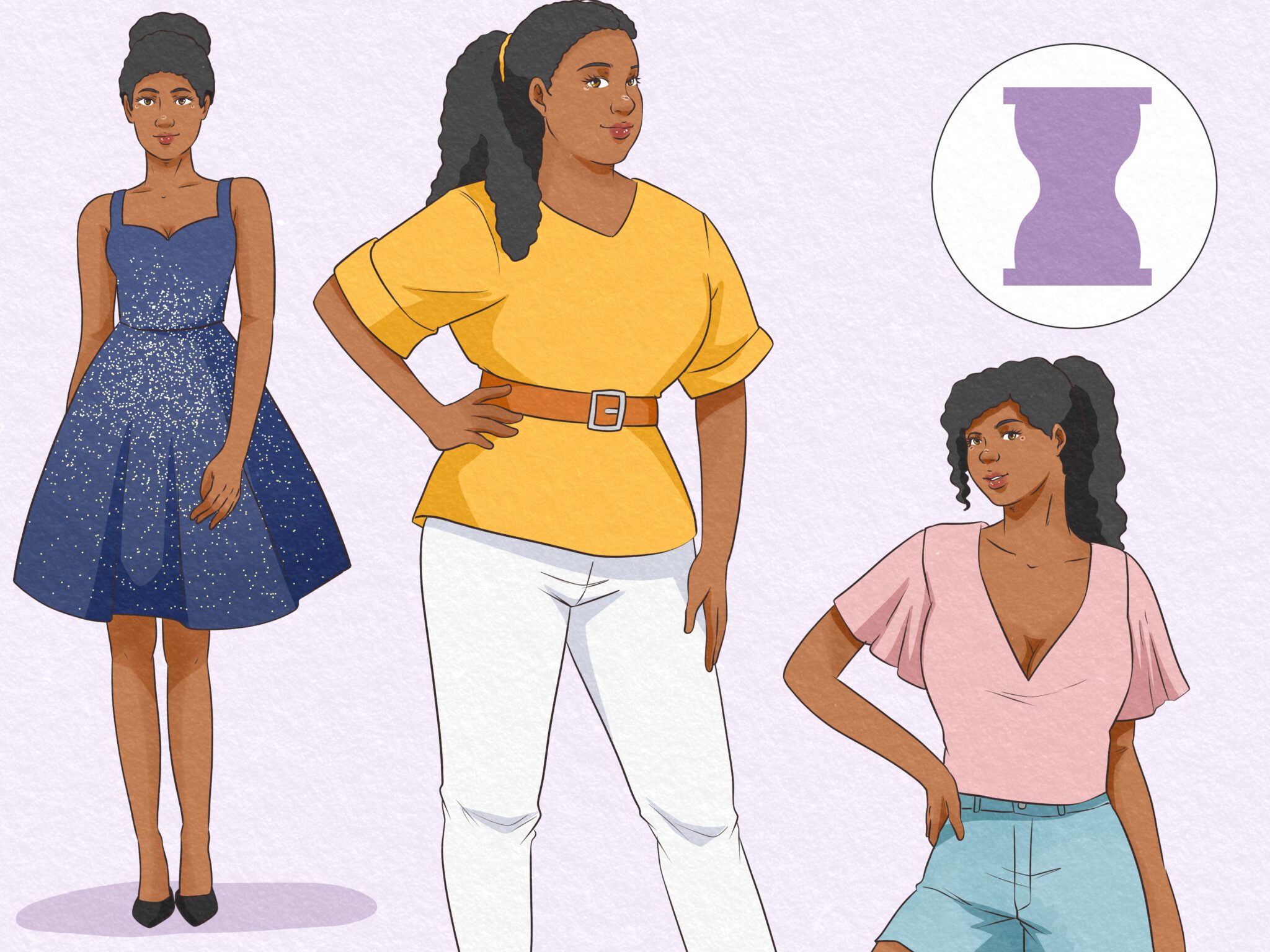
Hourglass – Balanced shoulders and hips with a defined waist
-
Pear (Triangle) – Hips wider than shoulders
-
Apple (Round) – Fuller midsection with slimmer legs
-
Rectangle – Similar width in shoulders, waist, and hips
-
Inverted Triangle – Broad shoulders with narrower hips
Knowing your body type helps narrow down clothing styles that naturally suit your proportions.
Table: Clothing Guidelines by Body Type
| Body Type | Best Clothing Choices | Styles to Be Careful With |
|---|---|---|
| Hourglass | Wrap dresses, waist-defined tops | Boxy, shapeless cuts |
| Pear | A-line skirts, structured tops | Tight bottoms, low-rise pants |
| Apple | Empire waist, flowy tops | Clingy fabrics around midsection |
| Rectangle | Peplum tops, belted dresses | Straight cuts with no definition |
| Inverted Triangle | Wide-leg pants, V-neck tops | Heavy shoulder detailing |
How to Choose Flattering Tops
Tops play a crucial role in shaping your overall look.
-
V-necks and scoop necks elongate the torso and suit most body types
-
Structured shoulders balance pear-shaped bodies
-
Wrap and peplum styles define the waist for rectangle shapes
-
Flowy fabrics work well for apple body types
Avoid overly tight or stiff fabrics that restrict movement or exaggerate areas you don’t want to highlight.
Choosing the Right Bottoms
Bottoms affect how balanced your proportions appear.
-
High-waisted pants elongate legs and define the waist
-
Straight-leg and wide-leg trousers balance hips and shoulders
-
A-line skirts flatter most body shapes
-
Dark colors and structured fabrics create a slimming effect
Low-rise bottoms often disrupt natural proportions and are harder to style for most body types.
Dresses That Flatter Different Figures
Dresses are one of the easiest ways to dress well for your body type.
-
Wrap dresses suit nearly all shapes
-
Empire waist dresses are ideal for apple figures
-
Fit-and-flare dresses balance hips and shoulders
-
Belted dresses create curves for rectangle body types
Focus on how the dress fits at the waist, shoulders, and hips rather than following size labels.
The Importance of Fabric and Fit
Fabric choice is just as important as cut.
-
Soft draping fabrics follow natural curves
-
Stiff fabrics add structure where needed
-
Stretch blends provide comfort and flexibility
-
Breathable materials improve wearability throughout the day
Sustainable fashion trends emphasize mindful fabric selection, and many Sustainable Fashion Influencers to Follow in 2026 highlight how quality fabrics improve both fit and longevity.
Color and Pattern Strategies
Color placement and patterns can visually reshape your silhouette.
-
Dark colors minimize areas
-
Light or bright colors draw attention
-
Vertical stripes elongate the body
-
Small prints appear more subtle than bold patterns
Strategic use of color can guide the eye and enhance your natural proportions.
Tailoring: The Secret Weapon
Even the best clothing won’t look flattering if it doesn’t fit properly. Minor tailoring adjustments such as hemming pants, taking in the waist, or adjusting sleeves can dramatically improve how clothes look on your body.
Tailoring allows you to focus on shape rather than size, which is far more effective for long-term style.
Building a Flattering Wardrobe Over Time
Instead of buying trendy pieces impulsively, build a wardrobe based on:
-
Proven silhouettes that suit your body
-
Neutral base colors for versatility
-
A few statement pieces for personality
-
Comfortable everyday essentials
This approach creates consistency and makes outfit planning easier.
FAQs: How to Choose Flattering Clothes for Your Body Type
What if I don’t fit exactly into one body type?
Most people are a blend of body types. Use general guidelines and focus on what works best for your proportions rather than strict categories.
Can trends work for every body type?
Yes, but trends should be adapted. Choose versions of trends that suit your shape instead of copying styles exactly.
Is size more important than body type?
Fit is more important than size. A properly fitted garment will always look better than a trendy item in the wrong size.
Do accessories affect how clothes look on my body?
Yes. Belts, shoes, and jewelry can balance proportions and enhance outfits when chosen thoughtfully.
Can flattering clothes still be comfortable?
Absolutely. Comfort and flattering style are not opposites. Choosing the right fabric and cut allows both.
Final Thoughts
Learning how to choose flattering clothes for your body type is about understanding balance, fit, and self-expression. When you dress in harmony with your natural shape, fashion becomes effortless rather than frustrating.