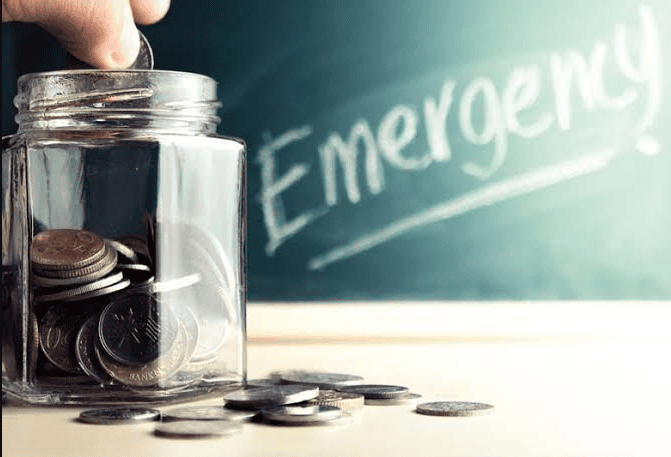
Unexpected expenses can happen at any time. A medical bill, car repair, job loss, or urgent home expense can quickly create financial stress if you do not have money set aside. This is why building an emergency fund is one of the most important steps toward financial stability.
Many people believe they need a large income to start saving, but anyone can begin building an emergency fund with a realistic plan and consistent effort.
Learning how to build an emergency fund from scratch can help you prepare for unexpected situations, avoid unnecessary debt, and gain more control over your finances.
This guide explains what an emergency fund is, how much you should save, and practical steps to create one from the beginning.
What Is an Emergency Fund?
An emergency fund is money saved specifically for unexpected expenses.
It is not meant for:
- Vacations
- Shopping
- Entertainment
- Planned purchases
Instead, it provides financial protection during situations such as:
- Losing a job
- Unexpected medical costs
- Major car repairs
- Emergency home repairs
- Urgent family expenses
The purpose of an emergency fund is to help you handle surprises without relying on credit cards or loans.
Why Is an Emergency Fund Important?
Having emergency savings provides several benefits.
1. Reduces Financial Stress
Unexpected expenses are easier to manage when you already have money available.
2. Prevents Debt
Without savings, many people turn to:
- Credit cards
- Personal loans
- Borrowing from others
An emergency fund reduces the need for expensive borrowing.
3. Provides Financial Confidence
Knowing you have a safety net allows you to make better financial decisions.
4. Protects Your Long-Term Goals
Emergency savings can prevent you from using money meant for:
- Retirement
- Investments
- Education
- Major life goals
Step 1: Set a Realistic Emergency Fund Goal
The first step is deciding how much you need to save.
Your goal depends on:
- Income
- Monthly expenses
- Job stability
- Family responsibilities
- Financial situation
Many people start with smaller goals:
Starter Emergency Fund
A beginner goal could be:
- $250
- $500
- $1,000
This provides basic protection against smaller emergencies.
Full Emergency Fund
A larger goal may cover several months of essential expenses.
Examples of essential costs:
- Housing
- Food
- Utilities
- Transportation
- Insurance
- Required payments
Do not worry about reaching the final goal immediately. Focus on building the habit first.
Step 2: Review Your Monthly Expenses
To create a savings plan, understand where your money goes.
List your monthly expenses:
Fixed Expenses
These usually stay the same:
- Rent or mortgage
- Insurance
- Loan payments
- Phone bills
Variable Expenses
These change each month:
- Groceries
- Entertainment
- Shopping
- Transportation
Knowing your expenses helps you determine how much you can save.
Step 3: Create a Simple Budget
A budget gives your money a clear purpose.
A basic budget should include:
- Income
- Necessary expenses
- Debt payments
- Savings
- Personal spending
Look for areas where you can reduce costs and redirect that money toward your emergency fund.
Even small savings can make a difference.
Step 4: Start Saving Small Amounts
Many people delay saving because they think small amounts do not matter.
Small contributions add up.
Examples:
- Save $10 per week
- Save a portion of every paycheck
- Save leftover money at the end of the month
- Put unexpected money into savings
The most important step is creating consistency.
Step 5: Automate Your Savings
Automation makes saving easier because it removes the need to remember every month.
You can:
- Set automatic transfers
- Schedule savings after payday
- Use separate savings accounts
Treat savings like an important monthly bill.
Paying yourself first increases your chances of success.
Step 6: Open a Separate Emergency Savings Account
Keeping emergency money separate from everyday spending can prevent accidental use.
A good emergency fund account should be:
- Easy to access
- Safe
- Separate from daily spending
- Able to earn interest
A separate account creates a clear boundary between emergency savings and regular money.
Step 7: Cut Expenses Temporarily
If you want to build your emergency fund faster, look for temporary ways to save more.
Possible changes:
- Reduce dining out
- Cancel unused subscriptions
- Shop with a list
- Compare service costs
- Avoid unnecessary purchases
You do not need to remove all enjoyment from your life. Focus on realistic changes you can maintain.
Step 8: Increase Your Income
Saving money is one strategy, but increasing income can speed up your progress.
Possible options include:
- Freelance work
- Selling unused items
- Part-time jobs
- Online services
- Learning new skills
Extra income can go directly toward your emergency savings goal.
Step 9: Use Unexpected Money Wisely
Extra money can help grow your emergency fund faster.
Examples:
- Tax refunds
- Bonuses
- Gifts
- Cash from selling items
- Overtime pay
Instead of spending all unexpected income, consider saving part of it.
Step 10: Avoid Using Your Emergency Fund for Non-Emergencies
A common challenge is knowing when to use emergency savings.
Appropriate uses include:
- Medical emergencies
- Necessary repairs
- Essential bills during income loss
Avoid using it for:
- New gadgets
- Shopping
- Entertainment
- Planned expenses
Clear rules help protect your savings.
How Long Does It Take to Build an Emergency Fund?
The timeline depends on:
- Your income
- Monthly expenses
- Savings amount
- Financial goals
Some people build a starter fund within a few months, while larger emergency funds may take longer.
The important thing is making steady progress.
Common Emergency Fund Mistakes
Avoid these mistakes:
1. Waiting Until You Have More Money
Start with what you can save today.
2. Keeping Emergency Money Too Accessible
If it is mixed with spending money, you may use it unnecessarily.
3. Setting an Impossible Goal
A goal that is too large can feel discouraging.
4. Stopping After Reaching a Small Goal
Continue building your savings as your financial situation improves.
Tips to Maintain Your Emergency Fund
Once you build savings:
- Review your fund regularly
- Replace money after using it
- Increase savings when income rises
- Adjust your goal as expenses change
Your emergency fund should grow with your life circumstances.
Final Thoughts
Learning how to build an emergency fund from scratch is one of the most valuable financial skills you can develop. You do not need a large income or a perfect financial situation to begin. Starting small and saving consistently can create a strong foundation for financial security.
Begin by setting a realistic goal, creating a budget, automating savings, and keeping your emergency money separate from daily spending. Over time, your emergency fund can provide protection, reduce stress, and help you handle unexpected challenges with greater confidence.
Building financial security starts with one small step: saving the first amount you can.