Key Takeaways
- Technological advancements are empowering seniors to live independently by enhancing safety, health monitoring, and social connectivity.
- Smart home devices, wearable health monitors, and telehealth services are among the key innovations supporting aging in place.
- While technology offers numerous benefits, challenges such as digital literacy and privacy concerns must be addressed to ensure effective adoption.
Table of Contents
- Smart Home Devices: Enhancing Safety and Convenience
- Wearable Health Monitors: Proactive Health Management
- Telehealth Services: Accessible Healthcare at Home
- Social Connection Tools: Combating Isolation
- Assistive Robots: Support for Daily Activities
- Challenges and Considerations in Technology Adoption
- Conclusion
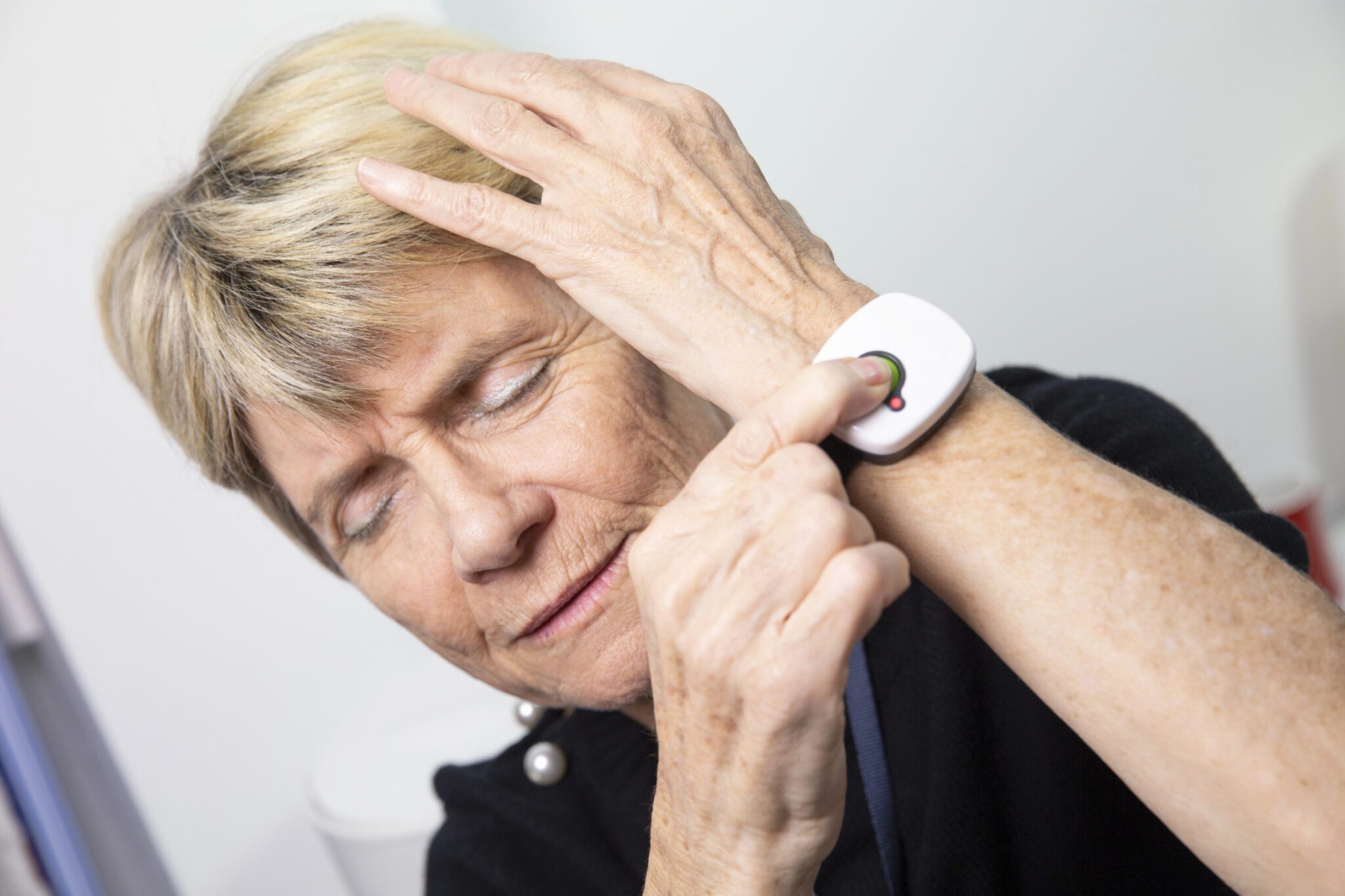
As the global population ages, innovative technologies are making it increasingly possible for seniors to maintain independence and enjoy a higher quality of life. Tools such as smart home devices and health monitors are transforming everyday life, enabling older adults to maintain autonomy and safety in familiar surroundings. For those seeking additional peace of mind, solutions such as a personal medical alarm provide immediate access to help in emergencies, further supporting independent lifestyles.
Smart devices and health technology do not just keep seniors physically safe; they also support better health outcomes, foster social connectivity, and help manage daily routines. These advancements are shaping a new era where aging in place is not just possible but preferable for many. As technology continues to evolve, the focus remains on creating solutions that address the unique needs and challenges of older adults.
Smart Home Devices: Enhancing Safety and Convenience
Smart home technology offers transformative benefits for older adults by helping prevent accidents and providing vital convenience. Motion-activated lights can illuminate pathways at night, reducing falls, while smart thermostats automatically keep living spaces comfortable. Automated security and monitoring systems alert residents and family members to unusual activity or emergencies, minimizing risks. Smart smoke detectors, for example, can signal both inhabitants and emergency services when help is needed. According to AARP, these technologies are helping more seniors remain safely at home for longer.
Wearable Health Monitors: Proactive Health Management
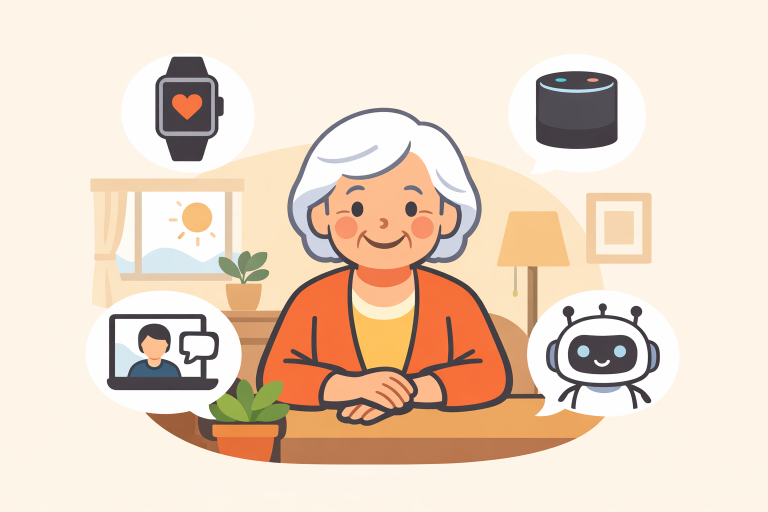
Wearable health devices, such as fitness trackers and advanced smartwatches, enable seniors to monitor vital signs in real time. By tracking heart rate, activity, and even sleep quality, these tools give both users and caregivers valuable insights into health status. Many wearables include fall detection and can alert contacts or medical professionals in emergencies. Studies published in resources like Kiplinger highlight how wearable technology has become essential for chronic disease management and helps seniors live independently longer. Devices that can communicate health data directly to doctors ensure timely medical intervention is always within reach.
Telehealth Services: Accessible Healthcare at Home
Access to healthcare has been revitalized through telehealth advancements, which are particularly valuable for seniors who face transportation or mobility issues. Virtual consultations allow frequent monitoring of conditions such as diabetes, heart disease, and high blood pressure without the need to visit a clinic in person. This saves time and lowers exposure to infectious diseases. Telehealth also makes it easier for family caregivers to participate in medical consultations, ensuring better continuity of care and communication among all parties.
Social Connection Tools: Combating Isolation
Prolonged social isolation poses a major risk to senior well-being, often leading to depression or deteriorating health. Video calling services, social media, and online interest groups are now essential lifelines, connecting older adults with friends, family, and community events. These communication tools enable participation in everything from virtual book clubs to teletherapy sessions, reducing loneliness and improving cognitive health. Research from Axios shows that seniors who use digital platforms experience higher emotional satisfaction and improved quality of life.
Assistive Robots: Support for Daily Activities
Assistive robotics has moved from conceptual prototypes to real-life aides for seniors, helping with a range of everyday tasks. These robots can remind users to take medication, assist with meal preparation, perform light housekeeping, and initiate calls to healthcare providers. Some advanced models even offer companionship features, engaging seniors in conversation and helping them learn individual routines. As these technologies continue to develop, they promise not only support but also companionship, playing a vital role in the modern approach to aging in place.
Challenges and Considerations in Technology Adoption
While the promise of technology for independent senior living is substantial, significant hurdles remain to widespread adoption. Many older adults face challenges with digital literacy, which can make learning to use new devices daunting. There are also concerns about privacy and the security of personal information gathered by smart devices. Addressing these issues means designing more intuitive, senior-friendly interfaces and investing in digital education initiatives for seniors and their caregivers. Robust privacy protections are critical to building trust and ensuring these technologies are both safe and user-friendly.
Conclusion
Technology has become a cornerstone of independent living for seniors, offering solutions that increase safety, improve health, and nurture social bonds. With the thoughtful integration of these tools, more older adults can remain in their homes with confidence, dignity, and comfort. Continued focus on accessibility and privacy will ensure that these innovations are both effective and inclusive, paving the way for a better quality of life for seniors everywhere.