Freedom to move shapes how families thrive today – not just meals, feelings, or doctor visits. Now, kids gaining control over their movement matters deeply in building strong homes. Moving without limits lets children discover spaces around them, join routines smoothly, grow bold through doing things themselves. That ability ripples into brighter moods, deeper friendships, stronger self-reliance years later. How young ones get around becomes woven into overall well-being for everyone at home.
Looking into how kids move ties closely to family health, one thing stands out – when children gain freedom through movement, everything shifts. Independence in getting around shapes a child’s daily life more than we often realize. Support tailored to each young person makes a clear difference down the road. Companies such as Circle Specialty offer tools that fit unique needs, helping parents guide development without extra strain. Growth thrives when motion becomes possible on their own terms.
Understanding Family Wellness in a Modern Context
Few things matter more than how each person in a family feels day to day – body, mind, connections, growth. Lately, parents see clearly: what works for one does not work for all. One kid might need extra time, another different support, someone else space to move at their own pace. Life stays steady when these differences get attention.
Sometimes just getting around changes how a family moves through each day. Routines shift when going places takes more time, effort, or help. School might need special arrangements, friendships demand extra thought, fun activities call for creative solutions. Focusing on kids’ movement early eases tension at home. Life opens up when obstacles shrink. Confidence grows where freedom to move exists.
What Pediatric Mobility Means for Children
Little ones get around using their own power or help they need, right where they live, learn, or play. Moving forward might mean steps on two feet, shifting from sit to stand, or rolling ahead with tools made for them. It isn’t just legs doing work – it opens doors, brings belonging, builds self-reliance.
Little ones facing movement challenges often find new freedom through assistive devices. With proper gear plus steady motivation, pediatric mobility kids connect more easily with friends around them. Confidence grows when they take part in daily routines without constant hurdles. Moving independently lets them discover surroundings at their own pace.
How Mobility Affects Family Dynamics
Every day shifts when a child moves differently than others. Mornings might flow smoothly – or stumble – depending on how easily the child gets around. Weekend plans change shape based on what kind of support the child needs to walk or roll through their world. With tools built just for young bodies, movement becomes less of a hurdle. Life tends to open up more once those supports are part of the routine.
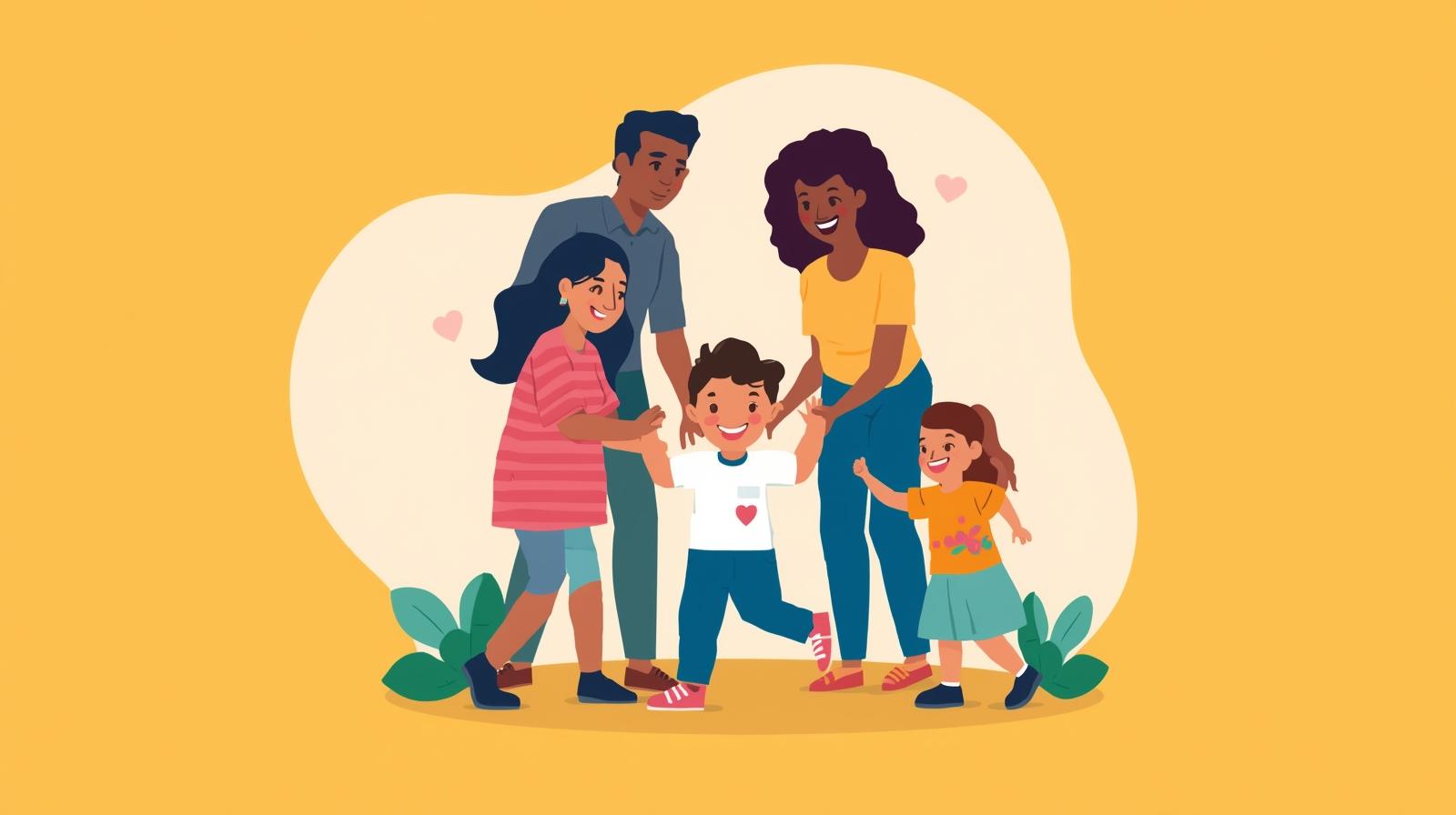
Families find easier ways to connect when daily challenges shrink. A brother might laugh louder during play, simply because space opened up. When movement feels possible, conversations flow without effort. Moments add up where everyone joins in, not just watches. Life at home shifts – small adjustments bringing calm. Inclusion grows quietly, through shared walks or reaching a shelf together.
Circle Specialty and Child-Focused Mobility Solutions
It’s clear – comfort matters most when little ones move around. From the start, growth gets considered in every piece made by Circle Specialty. Rather than one-size-fits-all models, their gear adjusts alongside a child’s changing body. Safety shows up not as an afterthought but built right into how things are shaped. Most standard devices ignore the unique needs of young users; these do not. What stands out isn’t just function – it’s how naturally each item fits into daily life.
What stands out is how Circle Specialty designs tools that fit naturally into everyday routines for kids who need extra help moving around. Instead of just focusing on medical requirements, they pay close attention to feelings, confidence, and being part of community activities. Because of this, parents often notice a smoother path toward balanced living. Behind it all lies a clear priority: supporting the whole household, not just one individual.
Encouraging Independence Through Proper Support
What looks like letting go is often just adjusting how we help. Helping kids move well isn’t about stepping back – it’s about being there in smarter ways. Tools that fit a child’s needs let them explore without falling behind. Confidence grows when movement feels steady and safe. The goal? Letting them try, stumble, adjust – on their terms.
Families help kids become more independent when they build confidence through daily support. A win today might be trying something new, even if it seems minor – progress shows up in quiet moments too. Letting children test limits safely teaches them how far they can go without fear holding back. When tools change along with the child, like wheelchairs that adjust over time, growth feels natural instead of forced. Equipment from Circle Specialty fits these shifting stages smoothly, staying useful year after year while the user gains strength and skill.
Pediatric Mobility in School and Social Settings
When kids get around on their own, school life opens up. Moving freely from one room to another lets them join what’s happening. Instead of waiting for help, they take part alongside friends. Being able to go where they need builds confidence during lessons. Social moments become easier when movement isn’t a barrier.
Out in the world, getting around on their own lets kids join gatherings, move freely during games with peers, happenings where they belong. A sense of being part of things – instead of held back – lifts how good they feel about themselves, brightens daily life. Parents focusing on young ones’ movement options create space for everyday access, keep doors unlocked ahead.
Long-Term Benefits of Early Mobility Support
When kids get help with movement at a young age, good things often follow later on. Moving around early helps bodies grow, builds muscle strength, one way or another. Coordination gets better too, slowly but surely. Independence down the road? That starts taking shape much earlier than most think.
When kids get help sooner, families feel more at ease down the road. Confidence grows in parents when they see their child building skills that last. With steady guidance from teams such as Circle Specialty, care adjusts smoothly as children change and grow.
Conclusion
A kid who moves freely often feels better inside too. When young ones discover the world on their own terms, homes tend to hum with easier rhythms. Moving without constant help builds stronger bodies and calmer minds. Solutions made for kids work best when they fit how a child actually lives. Confidence grows quietly through small acts of doing things solo. What helps one part of life often lifts others without notice.
Freedom to move shapes how kids grow. Circle Specialty builds tools that fit real childhood moments. Instead of one-size-fits-all, there is attention where it counts. Movement becomes possible in every way that feels natural. Families gain ground when children lead with confidence. Progress is not loud – it shows up in small steps, steady rhythms, daily wins.