Updated posts 2026
In a significant move towards bolstering its electric vehicle (EV) ambitions, General Motors (GM) has announced a supplier deal with LG Chem. The collaboration entails an investment of $19 billion over the next decade, signaling a firm commitment to the EV transition.
The long-term agreement, unveiled on Wednesday, outlines LG Chem’s role in supplying critical materials essential for EV battery production. These materials include nickel, cobalt, manganese, and aluminum — components central to powering the next generation of electric vehicles.
According to the South Korean supplier, LG Chem will provide GM with over 500,000 tons of cathode materials from 2025 through 2035. This supply is projected to be sufficient for approximately five million EVs, each with a range of over 300 miles.
Cathode material is where most of a battery’s cost and most of its supply risk sit. It accounts for the largest share of a cell’s bill of materials, and the metals involved — particularly nickel and cobalt — come from a narrow set of countries with concentrated processing capacity, much of it in China. A decade-long contract with production in Tennessee addresses both problems at once: it locks in volume against price volatility and places the supply inside the United States, which also matters for the domestic-content requirements attached to federal EV incentives.
The cathode materials, sourced from an LG Chem plant under construction in Tennessee, will serve as a primary resource for GM’s joint venture battery cell plants across North America. These include three facilities operated through Ultium Cells, GM’s joint venture with LG Energy Solution.
While the partnership between GM and LG Chem was initially announced in July 2022, specific details regarding pricing and production locations were previously undisclosed. The latest agreement extends the collaboration for an additional five years beyond its original expiration in 2030.
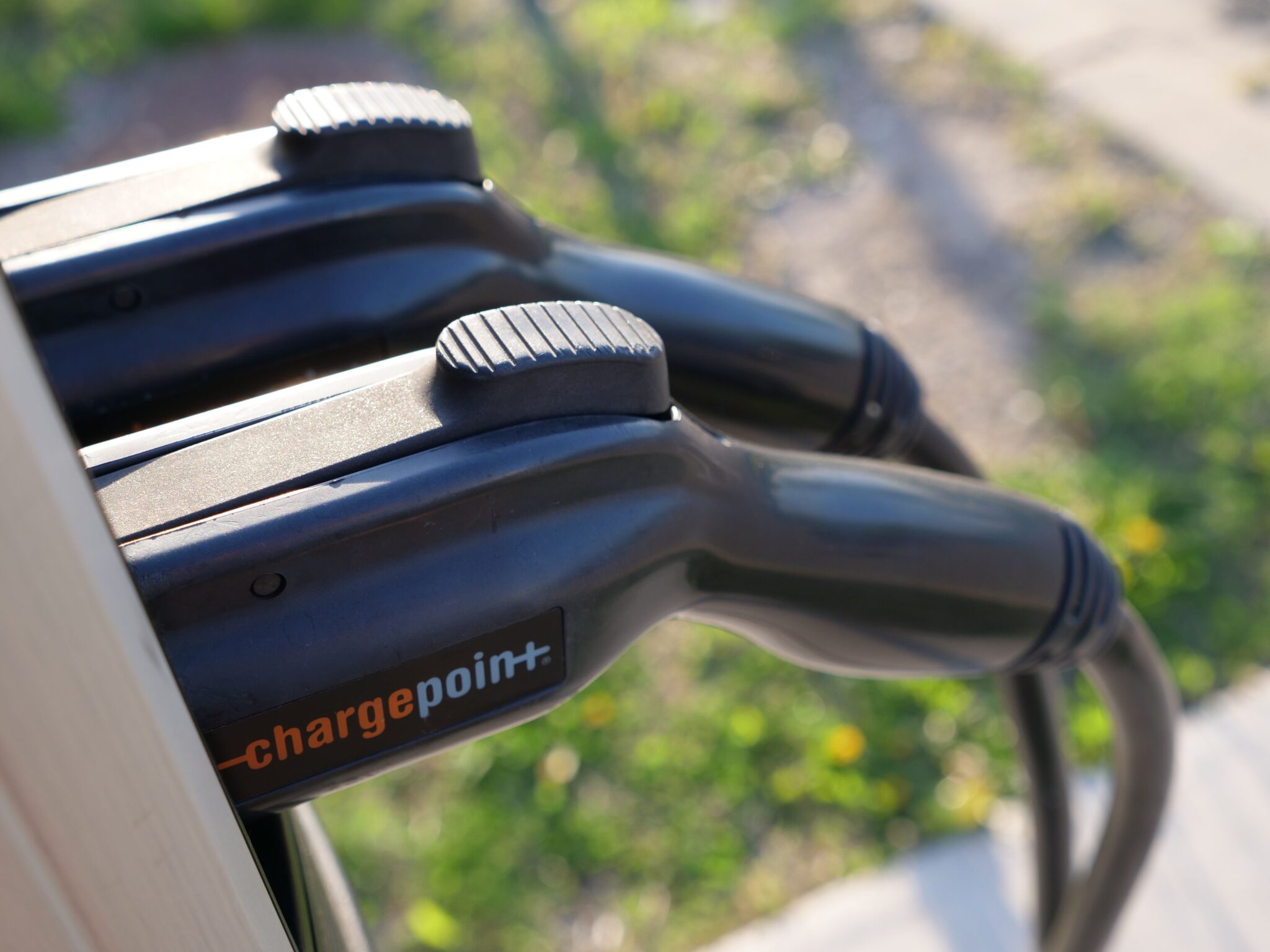
The decision to extend this partnership underscores GM’s commitment to its EV programme. Despite challenges posed by slower-than-expected EV adoption rates, GM has maintained its investment in electrification.
Jeff Morrison, GM’s vice president of global purchasing and supply chain, emphasized the significance of the contract, stating that it “builds on GM’s commitment to create a strong, sustainable battery EV supply chain to support our fast-growing EV production needs.”
With this agreement, GM reinforces its position in the EV market. As the automotive industry works through the complexities of transitioning to electric mobility, GM’s arrangement with LG Chem reflects a long-horizon approach to securing the materials that transition requires.
Also read: Stellantis Teams Up with Leapmotor in $1.6 Billion Investment for Chinese EV Market