Achieving a salon-worthy pedicure right in the comfort of home doesn’t require an overwhelming collection of gadgets. Most experienced nail technicians and podiatrists emphasize that a curated selection of premium instruments delivers superior outcomes-both in terms of effectiveness and safety-compared to bulky sets packed with subpar items.
For those who prioritize reliability, longevity, and proper sanitation, selecting the best pedicure tools boils down to superior materials, expert craftsmanship, and thoughtful ergonomic design. These elements ensure smoother routines and healthier feet in the long run. Let’s break down the must-haves and explore what truly sets high-quality options apart.
1. Nail Clippers: Where Precision Starts Every Time
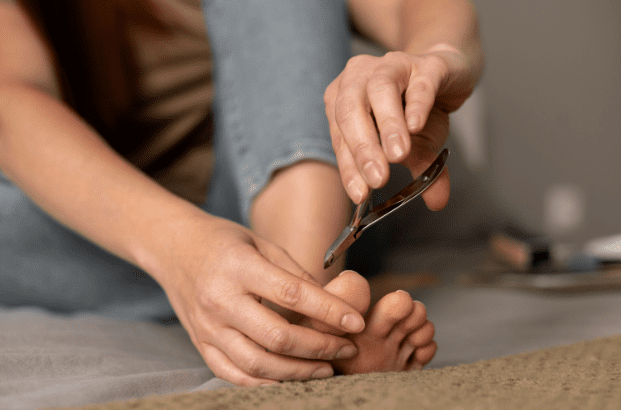
The foundation of any successful home pedicure lies in a dependable pair of nail clippers. Skimping here often leads to frustration down the line.
Key features to prioritize include:
- Medical-grade stainless steel construction, which resists corrosion and maintains sharpness over extended use
- A straight or gently curved blade tailored specifically for thicker toenails
- Effortless, precise cutting action that avoids crushing or splintering the nail plate
Inexpensive alternatives tend to lose their edge rapidly, resulting in jagged edges that heighten the chances of developing ingrown toenails-a painful condition where the nail grows into surrounding skin. A robust, well-crafted clipper provides a solid feel in hand and slices cleanly with little effort. Podiatrists often recommend models with wider jaws for accommodating thicker nails, ensuring even pressure distribution.
2. Nail File: Shaping with Care to Avoid Weakness
Once nails are trimmed to length, proper shaping plays a crucial role in maintaining strength and preventing splits or breaks over time.
Top recommendations feature:
- Tempered glass or crystal varieties, known for their ultra-fine abrasive surface that seals nail edges gently
- Medium grit levels (typically 180–240), ideal for toenails without over-thinning
- Durable, washable designs that allow bidirectional filing without damage
Traditional metal files can prove overly harsh, tearing delicate nail layers, while coarse grits risk structural weakening. In contrast, a premium file effectively smooths and “seals” the free edge-essentially fusing keratin layers to reduce peeling. This gentle approach not only enhances appearance but also supports overall nail health, making it a favorite among professionals for everyday maintenance.
3. Cuticle Pusher: Gentle and Minimalist Approach
Handling cuticles requires restraint and finesse. Excessive manipulation invites irritation, inflammation, or even bacterial entry points.
Opt for a pusher offering:
- High-quality stainless steel or tempered glass for longevity and easy sterilization
- Softly rounded, non-abrasive tips to avoid scraping live tissue
- Balanced weight and grip for controlled, comfortable handling
Sharp implements meant for cutting should be avoided entirely at home. Many American foot care experts advocate a “push and moisturize” philosophy: simply nudge back overgrown cuticles after softening in warm water, then apply nourishing oil. This conservative method preserves the cuticle’s natural protective barrier while keeping things neat and healthy.
4. Foot File or Callus Tool: Safe, Steady Exfoliation
Callus management ranks among the trickiest aspects of at-home pedicures. The aim remains regular upkeep rather than drastic reduction in one session. Many options exist, but understanding the differences helps in choosing wisely.
Traditional pumice stones, made from natural volcanic rock, offer gentle, natural exfoliation. They’re lightweight and eco-friendly, working well for light buildup after soaking. However, their porous nature can harbor bacteria if not dried properly, and they wear down over time.
Metal or stainless steel files provide strong abrasion for tougher calluses, often with replaceable surfaces. These excel at quick removal but demand caution to prevent over-exfoliation or minor cuts.
Increasingly popular is the glass foot file (also called nano glass or tempered glass foot rasp), etched with a fine textured surface for precise control. This modern choice stands out for several reasons: it’s exceptionally hygienic due to its non-porous surface, rinsing clean easily without trapping debris. Durability shines through-the etched grit lasts years without dulling, unlike pumice that crumbles or sandpaper that needs replacement. Many users find it gentler than metal yet more effective than pumice, allowing filing in any direction on wet or dry skin without tearing. Podiatrists and reviewers often praise Czech-made versions or reputable brands for diabetic-friendly care and sensitive heels.
Quality indicators across types:
- Interchangeable or long-lasting abrasive pads
- Moderate grit suited to routine sessions
- Comfortable, non-slip handles promoting even pressure
Podiatrists strongly advise against blade-based razors for DIY use, citing elevated risks of nicks, bleeding, and subsequent infections. Instead, focus on soaking first, then gentle circular motions to gradually reveal softer skin. Pairing consistent exfoliation with daily moisturizing prevents excessive hardening and maintains refreshed, comfortable feet.
5. Cuticle Nippers (Optional, But Demand Excellence If Included)
Routine nippers aren’t essential for everyone. When incorporated sparingly, however, uncompromising quality becomes paramount.
Essential traits involve:
- Precision-sharpened stainless steel blades for crisp performance
- Secure, play-free joints ensuring stability
- Smooth, tug-free snipping that targets only dead skin
Substandard versions often yank or tear, fostering hangnails, soreness, or minor trauma. Reserve these for occasional removal of lifted, non-living cuticle fragments—and always disinfect thoroughly afterward. Many prefer skipping them altogether in favor of pushing and hydrating.
The Superiority of Premium Stainless Steel: Beyond Just Cost Savings
Across the United States, savvy shoppers often favor investments that endure. This principle shines brightly in pedicure instrumentation.
Exceptional stainless steel-particularly medical or high-carbon grades-excels because it:
- Retains razor-like edges through countless uses
- Simplifies thorough cleaning and disinfection, crucial for hygiene
- Resists pitting, rust, or degradation even in humid bathrooms
- Delivers confident, accurate control that feels intuitive
A compact ensemble of superior pieces can serve reliably for a decade or more. Budget options, meanwhile, frequently falter quickly, necessitating frequent replacements and potentially compromising safety.
Building a Practical, Effective At-Home Pedicure Kit
Overloaded kits promise variety but often deliver mediocrity. A streamlined, elite setup typically encompasses just:
- Dedicated toenail clippers
- A reliable nail file
- Gentle cuticle pusher
- Effective foot file
Additional items like buffers, oils, or separators remain nice-to-haves. When assembling or purchasing pre-made sets, scrutinize:
- Core materials (prioritize unyielding stainless steel)
- Build integrity (seamless joints, polished finishes)
- Included guidelines for maintenance and usage
This minimalist strategy aligns perfectly with expert consensus: fewer, finer tools yield consistently better, safer pedicures.
Wrapping Up
Mastering an outstanding home pedicure revolves around patience, precision, and protection-not aggressive shortcuts or gadget overload. Committing to a handful of exceptional instruments promotes not only prettier toes but also sustained comfort and foot wellness.
In households across America, the enduring wisdom holds true: invest wisely once in tangible quality, and enjoy the lasting benefits of tools that perform flawlessly every time. Healthy, happy feet start with the right choices today.