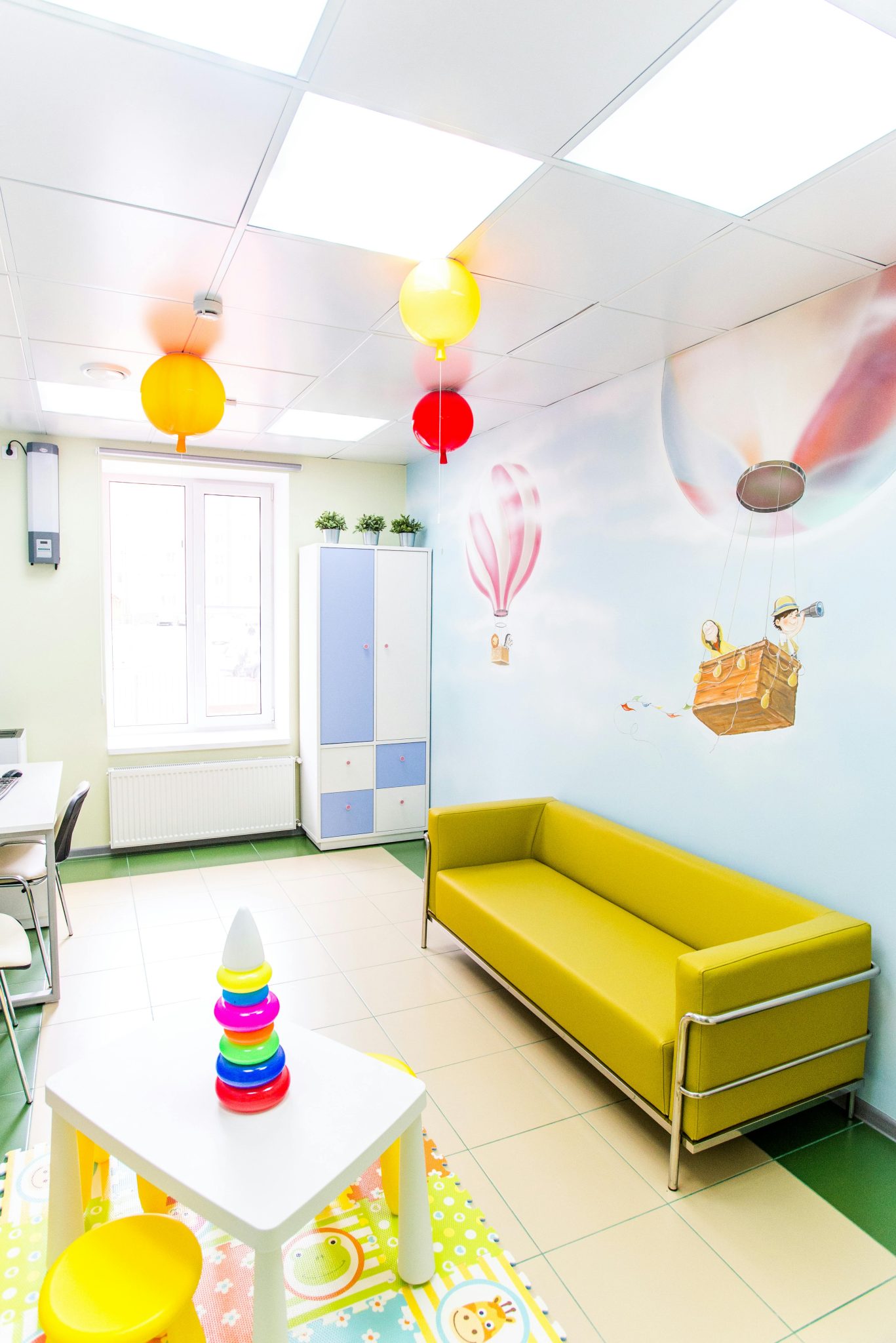
Parents everywhere are looking for ways to make home a place of both comfort and curiosity. Educational wallpapers are a gentle, joyful way to let children “bump into” learning, making it as natural as breathing. It’s the art of teaching without teaching—letting the walls do the whispering.
How Educational Wallpapers Work for Kids’ Perception
Children are natural pattern-seekers and visual learners. The walls of their rooms aren’t just backgrounds—they’re environments that shape how they feel, what they notice, and how they interact with the world.
Constant, Gentle Exposure
Unlike flashcards or lessons, kids wallpaper is always there—subtle, non-intrusive, and woven into everyday life. When a wall is decorated with maps, alphabets, numbers, animals, or even famous art, kids “absorb” bits of knowledge through daily, effortless contact. It’s like language immersion, but for visual learning.
Sparking Curiosity and Conversation
A well-chosen design can be a springboard for questions like:
- “Why is that dinosaur so big?”
- “Where is the Eiffel Tower? Can I see it”
- “What’s that planet called?”
This turns passive looking into active wondering. Suddenly, bedtime or playtime leads to little learning moments—without feeling forced.
Emotional Comfort and Cognitive Association
Exciting yet calming wallpapers—think soft colors with engaging illustrations—create a secure and imaginative atmosphere. When kids associate “school stuff” (letters, numbers, science) with the coziness of their own room, it reframes learning as comforting rather than daunting.
Early Familiarity Means Early Confidence
Repeated, low-pressure visual exposure means that when kids meet these concepts in school, they’re already old friends. The alphabet on the wall? They’ve seen it a thousand times. The solar system? They’ve been to Jupiter in their dreams. This breeds confidence and reduces anxiety when the classroom door opens.
Why This Works: The Science-y Bit
- Visual learning is a superpower for young kids. The brain processes images 60,000 times faster than text. Early exposure builds neural pathways that make later academic learning easier.
- Ambient learning (learning that happens unintentionally, just by being surrounded by information) is more effective than we often realize. The key is subtlety—no pressure, just presence.
- Emotional design matters: Colors, shapes, and friendly characters soothe the nervous system while stimulating curiosity. This is why educational wallpapers often use soft palettes and playful illustrations.
Age Appropriateness: Matching the Magic to the Moment
Infants & Toddlers (0–3 years)
- Simple shapes, high-contrast colors, soft illustrations of animals, faces, and nature.
- Think: gentle patterns that soothe but spark those first “What’s that?” moments.
Preschoolers (3–5 years)
- Alphabet, numbers, basic words, animals, colors, and shapes—big, clear, and interactive if possible.
- Excited about bilingual vocab walls? Start here! Children’s brains are like sponges for language before age seven.
Fun fact: Psychologists note that exposure to a second language, even passively, can wire the brain for easier language learning later.
Ages 2–7 are prime time, but it’s never too late—bilingual exposure at home (even if you’re not fluent!) helps kids develop a natural ear for sounds and patterns. For little ones, use images paired with both languages: “dog/perro,” “red/rojo.” For older kids, add phrases, jokes, or even famous quotes in two languages.
Early Elementary (6–8 years)
- Maps, solar systems, more complex animals (hello, dinosaurs!), time concepts, seasons, and maybe even simple science diagrams.
- What about superhero mash-ups? Imagine a “Math Heroes” wall with caped numbers or science experiments led by their favorite characters.
Older Kids (9+)
World maps, famous inventors/artists, more advanced vocabulary, historical timelines, inspirational quotes, logic puzzles woven into design. Here’s where you can get creative with themes—mixing what they love (comics, sports, space) with what you want them to absorb.
Gender & Personalization: A Modern Take
Traditional “boy/girl” themes are fading, and that’s a good thing! Let your child’s interests, not stereotypes, lead the design. Dinosaurs, planets, superheroes, or fairies—these worlds are for everyone. If your kid loves “unicorns who speak French” or “astronaut cats that do math,” then why not? The more personalized, the more powerful the learning.
Design Alchemy Tips
1. Mix education with wonder—Don’t just go for plain ABCs—try illustrated alphabets with animals, or world maps with tiny landmarks and creatures.
2. Rotate themes—As your child grows, swap out wallpapers to match evolving interests. Dinosaurs now, space later, maybe art masterpieces as they get older.
3. Interactive elements—Some wallpapers let you write on them with chalk or markers, or have flaps and textures for little hands.
4. Personal touches—Add family names, favorite places, or even your child’s own art to the design for extra engagement.
Room-by-Room: Adapting the Design
Kids’ Bedroom
Here you need to focus on comfort, dreams, and gentle stimulation—soothing colors with bursts of interest. Calm scenes with a few learning elements, so it’s restful at night but sparks curiosity in the morning.
Homeschool Area
For this area, a higher “learning density” works: maps, timelines, vocab walls, interactive elements like blackboard wallpaper. Like Inspirational quotes, science facts, and logic games along the wall. Their favorite characters are very welcomed here as well—maybe “Superhero Study Buddies” offering tips!
Playroom
Go wild with imagination! Whimsical, bright, and packed with “hidden” learning—like a treasure hunt for facts or bilingual jokes. Interactive features will help here—magnetic walls, spots for kids’ art, or sections that change with the seasons or their interests.
If the spaces overlap, use “zones”—a restful reading nook with a dreamy mural, a “learning wall” by the homeschool desk, and a bright creative corner for play.
The Power of the Personalized Collage
When a child sees their beloved heroes, animals, or interests on the wall—with a twist of learning—they feel seen, valued, and invited to explore. It’s not some generic classroom, but their world, tailored to their dreams. That emotional connection supercharges curiosity and memory. (Think of it as the difference between reading a textbook and discovering a treasure map made just for you.)
Personalization –> Ownership –> Motivation
When kids “see themselves” in their environment, they take pride in it. They’re more likely to point things out, ask questions, and even explain what’s on the wall to friends or siblings—teaching, in turn, cements their own learning.
Strategic Collage: Your Custom Wallpapers With a Personal Spark For Growth
Pairing opposites isn’t just visually exciting, it also models flexible thinking. Here are a few “yin-yang” combos to get your creative wheels spinning.
Logic & Creativity
Math puzzles hidden inside whimsical artwork (e.g., a dragon winding through a multiplication maze, or an astronaut cat solving equations as part of a space adventure).
Science & Nature
Solar systems with real plant leaves or animal tracks, showing how the cosmic and the earthly fit together.
Language & Art
Favorite quotes from storybooks illustrated with comic-style heroes, or bilingual puns with playful fonts and doodles.
Abstract & Everyday
Quantum physics concepts (like teleporting particles) explained with silly characters—maybe a “Schrödinger’s Cat Café” on one wall!
Color Play
Pink and green, blue and orange, soft and bold—contrasting colors make the room lively, but balance them so it feels welcoming, not overwhelming.
Dreams & Reality
A window painted with “what I want to explore when I grow up” (astronaut, chef, inventor, artist), next to a real chalkboard for daily doodles or plans.
The secret: let your kids help choose or even create some of the images. Their drawings can be digitized and turned into wallpaper! That’s next-level personalization and a huge confidence boost.
Listen to the daydreams, the favorite bedtime stories, the “did you know?” facts they love to share. Sometimes they’ll tell you directly, other times it’s hidden in what they play with, or what makes their eyes light up. Your custom wallpaper can become a living record of their evolving passions.
By modeling flexible juxtapositions—science + art, logic + imagination—you’re showing your kids that the world isn’t just about picking one path, but about blending, remixing, and inventing their own. This mindset is the foundation for creativity, resilience, and lifelong joy in learning.
Combining “Brainy” and “Fun”
“Why are happiness and education seen as separate?” They shouldn’t be! When kids feel safe, loved, and joyful, their brains become gardens where learning can flower. An anxious heart blocks curiosity; a happy heart opens the door to wonder.
Happiness and learning thrive together! Joy amplifies memory and creativity. When a child is delighted, their brains are primed for growth—dopamine and curiosity are best friends.
Educational psychologists encourage “playful learning”—merging facts with storytelling, art, and imagination. This is why combining dinosaurs with math facts, or superheroes with new vocabulary, is so effective and so memorable.
You create a nurturing environment which is genius-level parenting—helping your kids see that the world is friendly, interesting, and theirs to explore.