People love to joke about art degrees. You’ve probably heard it: “Oh, so you’re majoring in unemployment?” It’s the kind of sarcasm that sticks even if it’s wildly out of touch.
But behind the punchlines is a real problem: most people have no idea what studying art actually involves. They don’t see the late nights in the studio, the brutal critiques, the emotional burnout, or the actual job opportunities that come out of it.
For students, earning an art degree means sleepless nights painting until your hands cramp, juggling studio time with written assignments. Sometimes, students think, “If only I could just get someone to write me an essay online, it would take some of the pressure off.” That’s why it’s important to clearly understand what it’s like to be an art student. So, let’s compare myths vs. reality.
Myth #1: Art Degrees Are Useless
This myth comes from people who think art begins and ends with painting pretty things. But an art degree trains you to solve complex creative problems and build something from nothing. It’s design thinking, project management, storytelling, research, public speaking, and handling critique without breaking down. That’s not useless. That’s a whole skill set most industries are dying for.
Sure, it’s not law or finance. But companies need people who understand how to shape culture and communicate in powerful ways. Even an online art degree can open doors if you actually show up and put the work in.
Myth #2: You’ll Never Make Money
This one lives rent-free in everyone’s head, especially your relatives. But the idea that art is poverty is outdated. It’s based on the assumption that the only option is gallery shows or starving in a loft.
In reality, art grads work in animation, UX, illustration, branding, publishing, game design, education, marketing, and film. Some freelance. Some work in-house. Some do both. It’s a creative career, not a lottery.
Will you need to hustle and build a portfolio that proves you’re good? Yes. But that’s true for nearly every field now. There’s no guaranteed paycheck with any degree. The difference is that this one teaches you how to be resourceful, adaptable, and genuinely original.
Myth #3: You Don’t Need a Degree to Be an Artist
Technically, that’s true. No one needs permission to create. But art school is a crash course in finding your voice, working under pressure, absorbing feedback, building discipline, and learning how to talk about your work without sounding like you made it in a fog of vibes. You can’t replicate that structure and intensity on your own.
And then there’s the network: professors, peers, guest critics, and even future collaborators. A lot of art degree jobs come through these connections. It’s about showing up and becoming someone people want to work with. That’s what school pushes you to do.
Reality Check: What Art School Is Actually Like
The Crash Landing
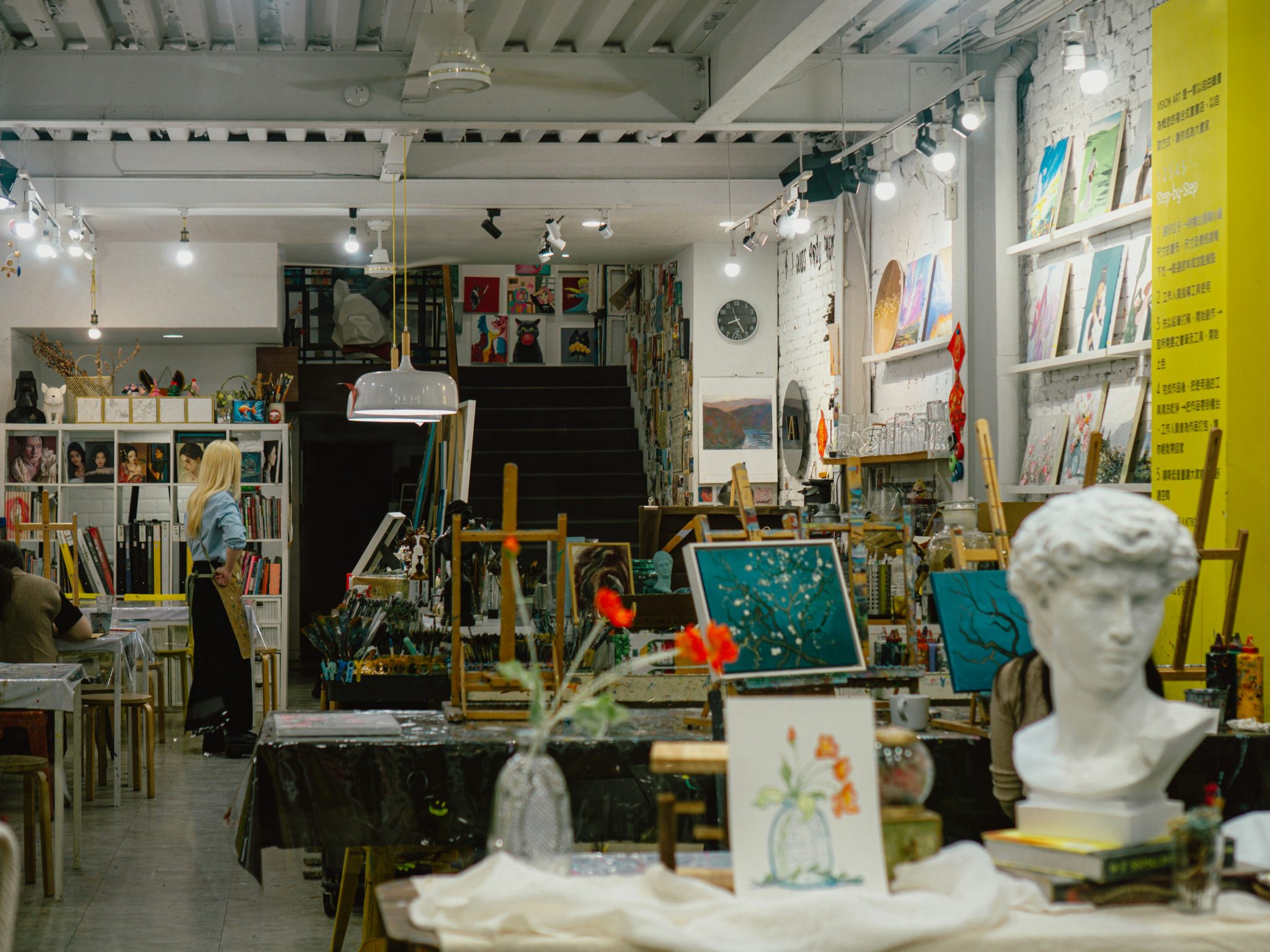
The first year hits hard. You’re learning how to think visually, how to take critique without flinching, and how to meet deadlines when your entire concept fell apart the night before. Expect long studio hours, tight deadlines, and critiques that feel personal even when they aren’t. It’s physically and emotionally exhausting, and it’s only the beginning.
Undergraduate Level
Once you’re past the basics, things intensify. You’re juggling multiple studio classes, theoretical courses, group critiques, and building a portfolio that actually says something. Time management becomes survival. You’ll work on projects that test your identity, your values, and your ability to stay awake for 36 hours straight. And no, there’s no such thing as “done.” There’s only “this is due in five minutes.”
Graduate School
A master’s degree in art is a different beast. You’re expected to develop a serious body of work backed by research, experimentation, and writing that actually defends your ideas. There’s more freedom but also more pressure. You’re making a case for your place in the art world. You’ll spend weeks on a single concept, pulling it apart, rebuilding, questioning every line, every medium. It’s brutal, isolating, and wildly rewarding if you’re ready for it.

The Job Market: What Can You Do With an Art Degree?
You won’t be locked in just one lane. Art school builds creative stamina, visual fluency, and problem-solving muscles. These are practical tools that employers look for, especially in industries driven by innovation, communication, and aesthetics.
Some graduates chase traditional paths. Others branch into tech, media, marketing, or entertainment. A degree in art can lead to jobs that don’t even sound like “art” at first. Think user experience, branding, visual strategy, or content creation. It’s all about how you shape your path and speak about your skills. Pair a strong portfolio with versatility, and you’re in the game.
Here are just a few directions you can take:
- Illustrator – Work on books, editorial spreads, product packaging, or commercial campaigns. Requires a strong, recognizable style.
- Animator – From cartoons to game cutscenes to motion ads, animators bring ideas to life frame by frame.
- UX/UI Designer – Design apps and websites that are easy to use and visually intuitive. Art grads often excel here.
- Tattoo Artist – If you’re into precision and personal connection, this field blends illustration with craft.
- Art Director – After gaining experience, manage creative teams and shape the visual language of brands or campaigns.
- Gallery Assistant or Curator – Organize exhibitions, manage collections, write catalogs. Ideal if you love research and history.
- Visual Development / Concept Artist – Design environments, props, and characters for films, animation, or games. Competitive but thrilling.
- Creative Content Creator – Make brand visuals for social media, marketing, and digital platforms. It’s fast-paced and evolving constantly.
No two careers look the same. The path is messy, but it’s also flexible. And if you’re smart about it, it can be seriously fulfilling.
When an Art Education Degree Might Not Be the Right Path
Some people thrive in art school. Others hit a wall fast. If you’re uncomfortable with criticism, hate being pushed out of your comfort zone, or want a neat and predictable career path, this probably isn’t it. Art programs demand long nights, emotional energy, and the kind of self-motivation that doesn’t wait for instructions.
Money matters, too. If stability is your top concern, you might struggle. Entry-level creative jobs aren’t known for high pay, and freelancing can feel like feast or famine. You’ll need to be scrappy, patient, and okay with slow progress.
And if making art is your escape, not something you want to dissect, explain, and stretch into an academic framework, school might take the joy out of it. That doesn’t mean you’re not a real artist. It just means the classroom isn’t always the best place to grow. Some people build their creative lives outside the system, and that’s just as valid.
Final Thoughts
An art students degree isn’t a shortcut to success, but it’s a foundation that can change how you see the world and how the world sees you. It teaches you to think critically, communicate visually, and handle feedback without crumbling. These are skills that matter whether you end up designing apps, teaching high school, or launching your own creative brand.
It’s not glamorous. It’s late nights, messy drafts, and learning to explain your work to people who don’t get it. But it also gives you a community, a structure to grow in, and the pressure that sharpens your voice.
You’ll need grit. You’ll need flexibility. But if you’re serious about making creative work part of your life, the degree gives you the tools to build something real.