
Updated posts August 2026
The $1.6 Trillion Cost of the Gender Pay Gap in America
A new report unveils the staggering cost of the gender pay gap in the US, totaling a whopping $1.6 trillion annually. In 2022, women earned only 78 cents for every dollar earned by men, according to the National Partnership for Women and Families.
To arrive at this figure, researchers examined data from the U.S. Census Bureau, encompassing all working women, whether in full or part time roles, including those who took time off for illness or caregiving.
Despite these disheartening numbers, experts emphasize that this information should inspire women to take a more assertive stance in pay negotiations. Let’s explore the three primary factors contributing to the persistent wage gap.
1. Caregiving Responsibilities
Women often work fewer hours due to taking on more caregiving responsibilities within their families. This includes looking after household children, which consumes a significant amount of time and can limit hours available for paid work.
2. Occupational Segregation
Women are frequently concentrated in lower paying jobs and face real barriers to accessing higher paying positions due to occupational segregation, an issue the pandemic has notably worsened.
3. Workplace Discrimination
Gender bias and discrimination persist in the workplace, with half of US adults acknowledging that differential treatment of women by employers contributes meaningfully to the pay gap.
Addressing these three factors, experts assert, could significantly reduce the overall gap.
How the Gap Varies Across Race and Ethnicity
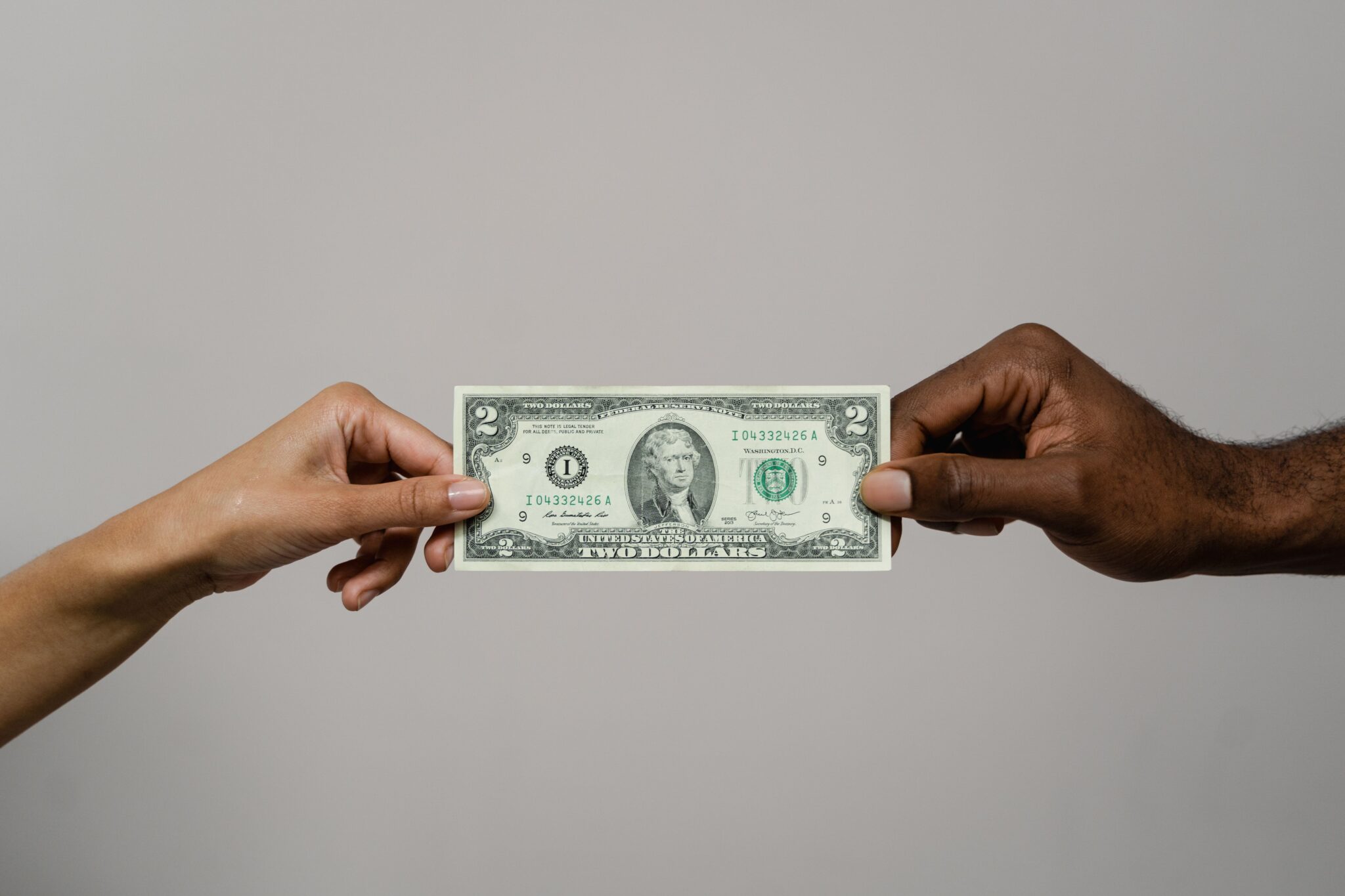
The impact of the pay gap varies considerably among different racial and ethnic groups. Asian American women earn the most relative to their counterparts, at 89 cents for every dollar earned by white, non-Hispanic male workers. The gap widens for other groups, however: white female workers earn 74 cents, Black female workers earn 66 cents, and Latina female workers earn just 52 cents for every dollar earned by white, non-Hispanic male workers.
Why This Layered Data Matters
Looking at the gap through this racial and ethnic lens reveals something the overall 78 cent figure alone can’t capture: the pay gap isn’t a single, uniform problem, it’s a set of overlapping disparities shaped by both gender and race simultaneously. That distinction matters for policy and workplace solutions, since addressing gender bias alone won’t fully close gaps that are also driven by racial inequity in hiring, promotion, and compensation.
Three Tips to Help Women Advance Their Careers
Despite these disparities, women should feel motivated by this data rather than discouraged by it. Here are three strategies worth considering.
1. Expand Your Network
Building a robust professional network remains crucial. Sharing expertise within your company and industry, through presentations at meetings and on social media, can help boost visibility and professional reputation over time.
2. Stay Informed About Market Value
Engage in meaningful conversations with hiring managers and recruiters to understand the typical compensation range for your level of experience. Seeking out competing job offers can also strengthen your negotiating position considerably.
3. Think About the Compensation Cupcake
This helpful analogy suggests thinking of your base salary as the cake, with additional incentives like bonuses and stock grants functioning as icing. Unvested benefits, such as equity or 401(k) plan matches, represent the sprinkles on top. Consider adding a 10 to 20 percent premium to your desired compensation target to help account for the persistent gender pay gap.
Empowerment paired with strategic negotiation can help women break through pay gap barriers and secure the earnings they rightfully deserve.
Also read: Sarah Austin, From Forbes “30 under 30” to Closing the Gender Gap in Tech