Can real estate build generational wealth? Yes, if the property leaves the next generation with usable equity and choices. A house that looks valuable on a statement can become a burden when the roof leaks, the mortgage remains large, and nobody has agreed who will pay for repairs. The practical test is simple: after debt, essential work, carrying costs and a possible sale, what can your family actually use?
As a structural engineer, I look at a property as a physical asset that needs a plan for decades of weather, water, movement and maintenance. That perspective belongs alongside the usual discussion of appreciation and rent. Here is a way to assess both.
Start with usable equity, not the headline home value
Equity is the estimated property value minus outstanding debt. It is a starting number, not the amount heirs would necessarily receive in cash. Selling takes time and money; keeping the home means taxes, insurance, utilities and repairs continue. A transfer can also have legal and tax consequences that vary by location and family circumstances.
Illustrative handoff: Assume a family could sell a house for $350,000 after completing $30,000 of necessary repairs. The mortgage payoff is $180,000 and hypothetical selling expenses are 6%, or $21,000. The arithmetic is $350,000 − $180,000 − $30,000 − $21,000 = $119,000 before any applicable taxes, other debts or holding costs. The apparent $170,000 in equity ($350,000 minus $180,000) is not the same as usable sale proceeds. This is a model, not a valuation or a forecast; obtain an appraisal or market analysis, payoff statement and written repair bids for a real property.
Do not subtract a repair bill twice. If the $350,000 figure is an as-is sale offer reflecting the defects, the seller may not perform that $30,000 work. Compare the actual as-is offer with the realistic repaired-sale scenario, including time and uncertainty.
The condition test: what will the next owner inherit?
Before buying a property as a family asset, or deciding to keep one, separate visible finishes from durable systems. An attractive kitchen does little to offset recurring water intrusion or a failing roof. Ask for an independent inspection and seek a specialist when the general inspection identifies an issue outside its scope. The Consumer Financial Protection Bureau explains why an independent home inspection and a lender appraisal answer different questions.
- Water and drainage: Check grading, downspout discharge, basement or crawlspace dampness, staining, and evidence of past repairs. Water management protects the foundation and interior; the U.S. Department of Energy explains how roof runoff can saturate soil around a foundation.
- Structure: Note cracks, uneven floors, sticking doors and altered walls, but do not diagnose a foundation from a photograph or one crack alone. If movement or damage is suspected, have a qualified local structural engineer assess the cause, extent and repair options.
- Roof and major systems: Document age, service history and near-term replacement costs for roof, heating and cooling, plumbing and electrical systems.
- Site and insurability: Ask about prior flooding or disaster damage, obtain an insurance quote for the new owner, and check local hazards. The CFPB lists useful questions about disaster history and insurance.
A defect is not automatically a reason to walk away. The decision depends on independent diagnosis, written bids, the purchase price, financing, time and your tolerance for disruption. My more detailed guide on buying a house with foundation problems shows how to frame that decision.
Test the property as a business if the plan is to rent it
Rent is revenue, not profit. Before relying on it for long-term family wealth, build a monthly schedule for mortgage payments, property tax, insurance, routine maintenance, a reserve for large replacements, management, vacancy and any association fees. Check local rent evidence and applicable rules instead of assuming perpetual occupancy or appreciation.
For example, if collected rent averages $2,800 a month, operating costs and reserves are $1,000, and the property mortgage is $1,300, the modeled margin is $500 before income tax and unusual work. If the down payment was borrowed against the family home and that borrowing costs $607 a month, the combined cash flow is negative $107. A one-month vacancy or major repair would widen that gap. The figures are hypothetical; the same cash-flow logic applies to your own quotes and bids. The separate home-equity guide explains why a HELOC payment can rise when repayment begins.
Build a handoff that gives heirs options
A long-lived property needs a decision process as much as it needs a will. Talk with the people who may inherit it about whether they could occupy, rent, buy out another heir or sell. Then bring the appropriate estate attorney and tax adviser into the legal and tax details for your jurisdiction. This article does not assume one transfer structure fits every family.
- Keep the records together: Deed and title information, loan and insurance contacts, permits, surveys, inspection reports, warranties and a repair history should be findable.
- Maintain a reserve: Set aside money for known near-term work and revisit it after each inspection. A paid-off house can still demand substantial cash.
- Define who decides: Document how family members will discuss a sale, rental, renovation or buyout and how ongoing bills will be handled while a decision is pending.
- Review the asset periodically: Update the mortgage balance, insurance quote, condition and realistic sale/rent comparisons. A house that made sense ten years ago may no longer fit the family.
Real estate can be one part of a broader plan, along with financial assets and skills that help the next generation manage them. See how to create generational wealth for that wider framework.
When does passing on the property make sense?
It is more promising when the equity remains substantial after likely costs, the building is maintainable, financing is manageable, and at least one heir wants a realistic role. Selling may be the better option when repair needs or disagreements would consume the family’s time and savings. There is no virtue in keeping a particular building solely because it has been in the family.
Questions families often ask
Is a paid-off home automatically generational wealth?
It can be valuable, but it still has property taxes, insurance, utilities and maintenance. Check its condition, the family’s ability to pay ongoing bills, and whether an heir can use or manage it.
Should we buy a fixer-upper for our children?
Only after an independent inspection, realistic repair bids, a funding reserve and a comparison with move-in-ready alternatives. Structural or water problems deserve specialist assessment, not an optimistic guess from listing photos.
Is rental income enough to justify keeping inherited property?
Compare collected rent with every operating cost, debt payment, vacancy allowance and major-work reserve. Then consider who will manage the tenants and repairs. A monthly surplus on paper can disappear after one expensive year.
Method: The two calculations above use explicitly hypothetical figures to show the decisions; they are not a case study, an appraisal or personalized financial, engineering, legal or tax advice. For an actual property, use a local inspection, specialist assessment where warranted, lender payoff, insurance quote and written contractor estimates. Kaleem Khan is a structural engineer and Impact Wealth contributor.
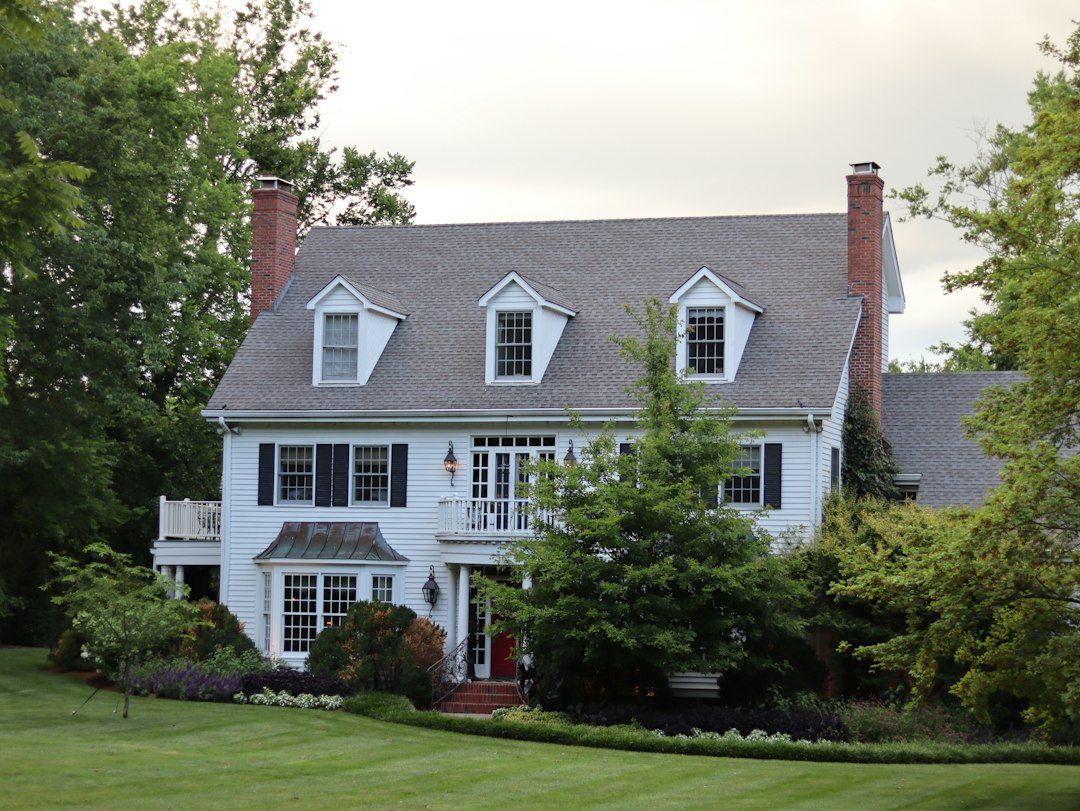
Featured photograph: Elijah Crouch / Unsplash.
Fact Checking and review done by Kaleem Khan.