
Key Takeaways
- An arrest in Pasadena does not automatically mean formal criminal charges will be filed.
- The first days may include booking, release decisions, prosecutorial review, and an arraignment.
- Statements, messages, and online posts can complicate a pending case.
- Release paperwork and court notices should be treated as important legal documents.
- Missing a court date or violating a release condition can lead to additional consequences.
An arrest can turn an ordinary day in Pasadena into a confusing sequence of decisions, paperwork, and court deadlines. Whether an arrest follows a traffic stop, a call for service, or an investigation, speaking with a Pasadena criminal defense attorney early may help a person understand the allegations, preserve important information, and prepare for the next required step.
Every case has its own facts, but California criminal matters often move quickly during the first few days. The most practical priorities are to remain calm, avoid discussing the alleged incident, keep all documents received, and confirm any dates or conditions listed on the release paperwork.
Table Of Contents
- The First Hours After an Arrest
- Booking and Jail Processing
- Release, Bail, and Court Dates
- How Charges Are Reviewed and Filed
- What Happens at Arraignment
- Steps That May Protect Your Rights
- How Family Members Can Help
- Mistakes to Avoid
- Common Questions
The First Hours After an Arrest
After an arrest, an officer may transport the person to a police station, jail, or other processing location. Officers generally complete reports, identify the person arrested, and document the alleged offense. The person may be searched and separated from personal belongings during this process.
Basic identifying questions are different from questions about the alleged crime. A person may choose to remain silent about the facts of the incident and clearly ask to speak with a lawyer before answering investigative questions. Arguing, resisting, or attempting to physically interfere with officers can create immediate safety risks and may complicate the situation.
Booking and Jail Processing
Booking is the administrative process that follows many arrests. Depending on the circumstances, it can involve fingerprints, photographs, a records check, a property inventory, a medical screening, and the entry of the reported allegations into the jail system.
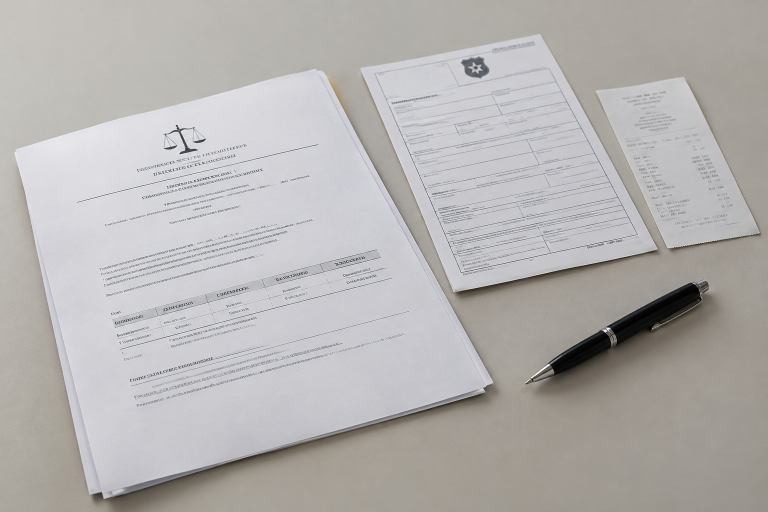
Processing time can vary. A busy facility, health screening, an outstanding warrant check, or the need for additional police reports may affect how long it takes. Property receipts, citations, and release documents should be saved because they may contain identifying information, conditions of release, or a future court date.
Release, Bail, and Court Dates
Following booking, a person may be released without charges, released with a promise to return to court, released after posting bail, or kept in custody for a court appearance. The possible custody outcomes after an arrest in Los Angeles County show why no single result applies to every Pasadena case.
Release may include conditions. These can require someone to attend every hearing, avoid contact with a named person, stay away from a location, comply with a protective order, or follow supervision requirements. A condition remains important even if the person believes the allegation is mistaken or expects the case to be dismissed later.
Read citations and release forms closely. Confirm the court location, date, and time, then keep a copy in more than one safe place. A missed appearance can result in a bench warrant and other penalties, so it is important to address a scheduling problem as soon as possible rather than simply failing to appear.
How Charges Are Reviewed and Filed
An arrest is not a conviction, and it does not always lead to a criminal case being filed. Law enforcement may submit reports and evidence to a prosecutor, who reviews the available information and decides whether to file charges, seek further investigation, or decline to proceed.
If charges are filed, the prosecution commonly begins the court case with a complaint identifying the accused person and the alleged offenses. The filed accusations may differ from an officer’s initial description of the arrest. That distinction is one reason it is risky to assume the case will unfold exactly as expected in the first hours after an arrest.
What Happens at Arraignment
An arraignment is usually the first formal court hearing after charges are filed. At that hearing, the judge advises the defendant of the charges and important rights, addresses legal representation, and asks for a plea. The California Courts explain that an arraignment can also address bail and future court dates.
Common pleas include guilty, not guilty, and no contest. A guilty or no-contest plea can have serious consequences, including sentencing and potential effects on employment, professional licensing, immigration matters, or driving privileges. A person should understand the specific consequences before entering a plea or agreeing to waive deadlines.
If a not-guilty plea is entered, the court generally schedules subsequent proceedings. Misdemeanor cases may move to a pretrial conference, while felony cases can involve a preliminary hearing. The next date matters just as much as the arraignment date.
Steps That May Protect Your Rights
- Stay composed. Avoid resisting, making threats, or trying to litigate the case during the arrest.
- Do not discuss the alleged facts. Avoid detailed explanations with officers, other detainees, friends, or relatives.
- Ask for counsel clearly. Once a lawyer is requested, avoid volunteering further details about the incident.
- Preserve documents and information. Keep citations, property receipts, bail records, and release paperwork.
- Write down details. Note dates, times, locations, possible witnesses, and events while memory is fresh.
- Stay off social media. Posts, comments, photographs, and direct messages may be misunderstood or used as evidence.
- Follow every condition. Treat no-contact orders and court instructions as binding until they are formally changed.
How Family Members Can Help
Family members can help by gathering accurate information rather than investigating the allegations themselves. Useful details include the person’s full legal name, date of birth, booking number, arresting agency, reported charges, medical needs, and court date.
They should avoid contacting alleged victims or witnesses about the case. Even a message intended to apologize, explain, or seek information can be viewed as unwanted contact or an attempt to influence a witness. Family support is usually most helpful when it is focused on documents, transportation, childcare, medication needs, and reliable communication.
Mistakes to Avoid
- Posting a version of events online before obtaining legal advice.
- Deleting texts, photographs, videos, or messages that may be relevant.
- Ignoring a citation, release form, or court notice.
- Contacting someone protected by a no-contact order.
- Assuming a minor allegation cannot affect work, housing, or licensing.
- Waiting until the day before court to review paperwork or arrange transportation.
Common Questions About Pasadena Arrests
Does an arrest mean the person will be charged?
No. A prosecutor may file charges, ask for more investigation, file different charges, or decide not to file a case.
Can someone be released without paying bail?
Yes. Some people are released on their own recognizance, meaning they promise to return to court. Others may face bail, supervision, or additional release conditions.
What if someone cannot attend court?
They should act promptly. Contacting counsel or the court before the hearing is generally safer than failing to appear without notice.
Should someone accept a plea offer at the first hearing?
Not automatically. A plea decision should be made only after the person understands the allegations, available options, and likely consequences in their specific case.
Conclusion
The first days after an arrest in Pasadena can feel overwhelming, but organized action can reduce avoidable problems. Remaining silent about the facts, protecting documents, complying with release conditions, and appearing at every hearing are practical steps as the case takes shape. Early attention to deadlines and legal rights can make a meaningful difference as the process moves forward.