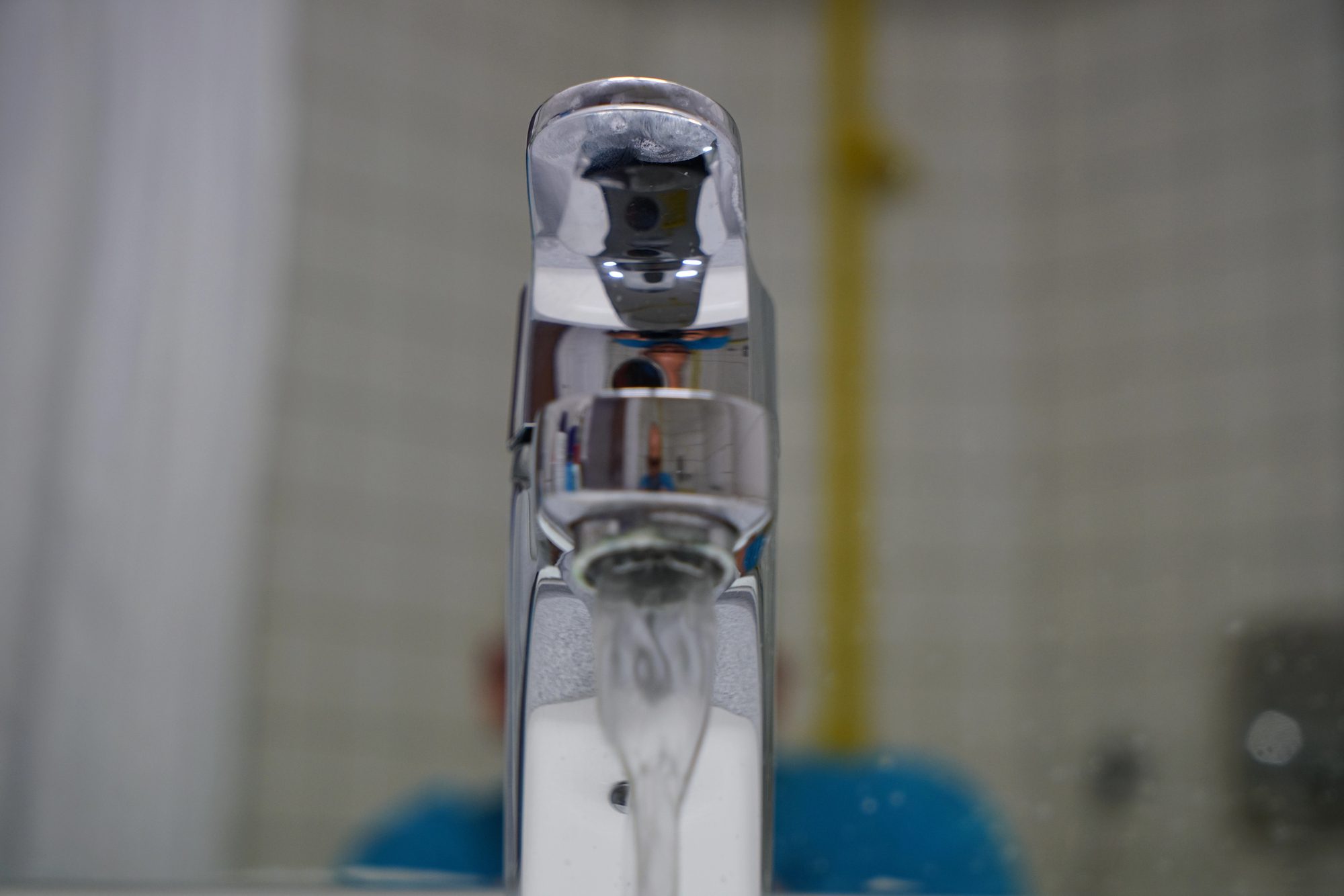
That yearly water report sits in a drawer or an inbox, unread. It’s full of units and long chemical names, but one line in it speaks straight to your teeth.
That line is about fluoride in tap water. A small, steady amount supports strong enamel, so it’s worth a glance. Great Expressions Dental Centers will show you where to find it, what it means, and what to do next.
Your Water Report at a Glance
- Each year, your water system sends a report that lists the fluoride level.
- The U.S. Public Health Service recommends 0.7 milligrams per liter (mg/L) for community water fluoridation.
- Private wells don’t get such reports, so a lab test is the way to know.
- Bottled water, filters, and baby formula can change how much fluoride you get.
What Is Fluoride in Tap Water, and Why Is It There?
It’s a mineral found in rivers, lakes, and oceans. Some places adjust it to reach the level that fights cavities. Each one makes that call on its own.
It helps enamel in two ways. Before teeth come in, it builds them up from the inside. Once they’re in, it helps rebuild weak spots on the surface, partly through your saliva.
Where Can You Find Your Water Report?
Contact your water system for its latest Consumer Confidence Report. Water systems must put one out each year, and it lists fluoride levels. Your report has what you need.
The CDC runs a tool named My Water’s Fluoride. It shows data from systems that report to the CDC through their states. The data is recent, not live. Sometimes the number is a goal the system aims for, not a result it measures.
What Do the Numbers on the Report Mean?
Your report lists fluoride in tap water in milligrams per liter (mg/L). The U.S. Public Health Service advises 0.7 mg/L to protect teeth, so use that as your yardstick. That’s advice, not a rule.
Your number may land a bit above or below that. Small swings are normal day-to-day. What counts more is whether the system works toward 0.7. Some places get enough from nature, and others don’t.
What Should You Do If Your Number Looks High?
Talk to your dentist or doctor first. The EPA sets a secondary standard of 2.0 mg/L for fluoride and a maximum contaminant level of 4.0 mg/L. These thresholds serve different purposes. CDC recommends an alternative drinking water source for children ages 8 and younger when their main water supply contains more than 2.0 mg/L of fluoride..
At 4.0 mg/L or more, call your health department. A filter that removes fluoride is one option for drinking and cooking. Ask the filter’s maker if yours does that. Fluoride doesn’t soak in through the skin. The same water is fine for baths and cleaning.
What If Your Home Runs on Well Water?
Then nobody sends you a report. Arrange testing through a state-certified laboratory to check fluoride and other potential contaminants. Your local health department can help you find a lab.
Does Bottled Water Contain Fluoride?
Some do, and some don’t. Check the bottle for words like de-ionized, purified, demineralized, or distilled. These processing methods generally reduce mineral content, but the fluoride level depends on the source water and any fluoride added by the manufacturer.
The label or the maker will tell you the exact amount. If bottled water is your main drink at home, that detail matters.
Is Tap Water Safe for Baby Formula?
Babies who regularly consume formula mixed with fluoridated water may have a slightly higher chance of mild dental fluorosis. Ask your child’s doctor or dentist if you have concerns.
Ready-made formula has little fluoride. So does breast milk. Low-fluoride bottled water for some bottles lowers the risk. Your child’s doctor or dentist can guide the choice.
Does Fluoride Ever Change How Teeth Look?
In young kids, it can. Fluorosis starts when a child gets too much fluoride while teeth form under the gums. Mild cases leave white flecks, spots, or faint lines on the enamel.
Dental fluorosis develops while teeth are forming beneath the gums, primarily during early childhood. The risk depends on when the permanent teeth are developing and the amount of fluoride consumed. Adult teeth finish forming by about age 8. Use a rice-grain-sized smear of fluoride toothpaste for children younger than 3 and a pea-sized amount for ages 3 through 6. Supervise brushing and encourage spitting, not swallowing.
Does Fluoride Help Adults Too?
Yes. It guards people of all ages against cavities, whether at home, work, or school. The American Dental Association reports that community water fluoridation can prevent at least 25% of tooth decay across the lifespan.” Add a source citation. Community water fluoridation at the recommended level of 0.7 mg/L helps prevent tooth decay. Fluoride’s effects depend on the amount consumed and the duration of exposure.
How Can You Protect Teeth When Fluoride Runs Low?
If your tap water contains little fluoride, your dentist can help you determine whether additional preventive measures are appropriate. Brush with fluoride toothpaste morning and night, floss daily, and see your dentist.
If your water falls under 0.7 mg/L, ask about other fluoride products. For kids, a doctor or dentist decides if drops, tablets, or lozenges make sense. The dentist may also talk about sealants or varnish. For babies, wipe the gums twice a day, then use a small, soft toothbrush and plain water once teeth appear.
What to Expect at a Visit About Fluoride
It’s your usual checkup, with a few more questions on water. The goal is to match your fluoride care to what you drink.
- Before: Write down where your water comes from, plus the level on your report. Note the ages of any kids at home, and jot down your questions.
- During: The dentist reviews your health history, then examines your teeth. You’ll talk about brushing, toothpaste, and how your water fits in.
- After: You’ll leave with a plan built around your water. It might include toothpaste picks, varnish, or sealants for kids.
When to See a Dentist With Fluoride Questions
Come in if your report raises questions, or if your family’s teeth look or feel different. Your dentist can sort out what’s normal and what needs care.
- A report level well below or above 0.7 mg/L
- Spots or streaks on a child’s teeth
- A baby’s first tooth, or a first birthday on the way
- Toothpaste questions for a child under 2
- A move to well, bottled, or filtered water
- Worries about the water in baby formula
- Cavities that keep coming back
Any of these calls for a chat. Your dentist can say whether fluoride plays a part.
About Us and the Communities We Serve
Our story began in 1982. Since then, we’ve grown to 246 offices across Connecticut, Florida, Georgia, Massachusetts, Michigan, New Jersey, New York, Ohio, and Texas. Each one offers checkups, braces, and cosmetic care.
Make Your Water Report Work for You
A few minutes with your report show how much help your teeth already get from fluoride in tap water. Great Expressions Dental Centers is happy to help you put what you learn to work for your family. Knowing the level takes the guesswork out. Regular checkups keep you on track.
Bring Your Report to Your Next Visit
Make an appointment on our website, or look up an office close to home. Take yours along, and ask the team how it affects your teeth.