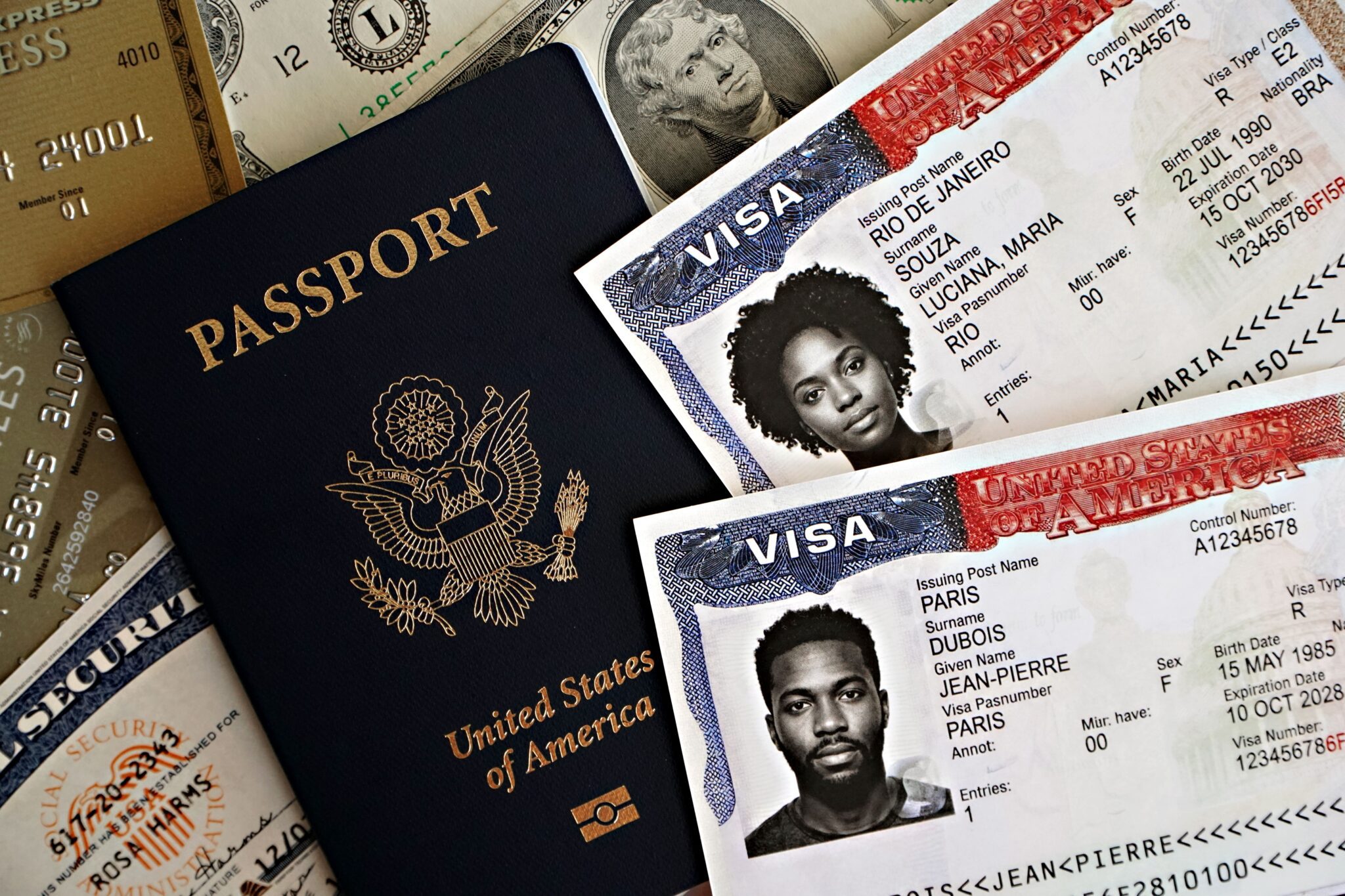
Planning an international trip usually starts with comparing flights, accommodation, and daily expenses. Yet one important part of the budget is frequently overlooked: the cost of obtaining the documents needed to enter another country. Depending on the destination and the traveler’s nationality, these expenses can range from a small electronic authorization fee to considerably higher visa application costs.
Understanding how travel-document pricing works can help travelers avoid unexpected charges and make informed decisions about application assistance. Government processing fees, optional support services, currency conversion charges, and insurance expenses can all affect the final amount. Knowing what each payment covers is particularly useful when organizing trips involving multiple countries.
Understanding Government Fees and Private Application Services
A visa or electronic travel authorization may involve different types of charges. Travelers comparing VisaSyst fees, visa application costs, and what’s included in travel document processing services can examine how government charges and optional private assistance are reflected in the total price.
Government application fees are established by the authorities responsible for processing travel documents. These charges vary depending on the destination, visa category, nationality, and sometimes the intended duration of the visit.
Private application assistance is a separate service. Companies offering this support may provide simplified forms, document reviews, application guidance, submission assistance, and customer support.
VisaSyst, for example, operates as an independent third-party provider rather than a government agency. Its published pricing information explains that government charges and private service fees are included in the displayed application price, with selected optional services affecting the total.
Travelers can generally apply directly through the relevant government system when that option is available. Choosing private assistance is a matter of convenience and personal preference, not an immigration requirement.
Why Travel Document Costs Vary Between Destinations
Not all international journeys require the same documentation.
Some countries permit eligible visitors to enter without obtaining a visa in advance. Others require an electronic travel authorization, an eVisa, or a traditional visa involving additional documents and appointments.
The distinction matters because entry requirements can influence both the financial cost and the time needed to prepare.
A useful starting point is the IATA Travel Centre’s passport and visa requirements resource, which helps travelers identify applicable documentation requirements before departure.
Applicants should also consider whether their travel plans involve transit through another country. Depending on nationality, airport arrangements, and the itinerary, additional authorization may be necessary.
Checking these requirements before purchasing nonrefundable tickets can prevent expensive complications.
Watch for Optional Processing and Service Charges
Application costs are not always limited to the initial price displayed.
Some private assistance platforms offer additional services, such as priority application review, document preparation support, or optional protection products.
Although these services may be helpful in certain circumstances, travelers should understand whether they are necessary.
Priority processing through a private provider does not necessarily mean that immigration authorities will make a decision faster. Final approval timelines remain subject to the relevant authority.
Before paying, travelers should review the total checkout amount, identify any selected add-ons, and examine the provider’s cancellation and refund conditions.
The same principle applies to flight reservations. Skyscanner’s explanation of airline ticket pricing highlights how baggage, seat selection, and insurance options can affect the final booking price.
Consider Currency Conversion and Payment Fees
International travelers often pay for documents, accommodation, and other services in foreign currencies.
Even when a website clearly displays its prices, the amount appearing on a bank statement may differ because of exchange rates or card-related fees.
Foreign transaction charges can apply when a payment is processed internationally, depending on the bank and payment method.
The Wise guide to foreign transaction fees explains how these charges work and why travelers should check their payment conditions before making international purchases.
Paying in a preferred currency does not automatically eliminate conversion costs. Travelers should compare the exchange rate being offered and avoid assuming that a familiar currency display represents the cheapest option.
Don’t Overlook Insurance and Other Travel Expenses
Entry documentation is only one component of a realistic international travel budget.
Depending on the destination, travelers may also need to consider medical coverage, local transportation, baggage charges, vaccinations, and emergency expenses.
Travel insurance deserves particular attention because different policies cover different situations.
Some plans provide protection for medical emergencies, trip interruptions, or lost luggage, while others exclude particular activities or circumstances.
The World Nomads guide to travel insurance coverage provides an overview of common benefits and exclusions.
Travelers should also distinguish between general travel insurance and products designed specifically to reimburse application fees. These products serve different purposes.
Create a Practical Predeparture Budget
A simple travel-document budget can make international travel planning more manageable.
Before confirming arrangements, travelers should account for:
- Government visa or electronic authorization fees.
- Optional third-party application assistance.
- Additional processing services, if selected.
- Insurance and destination-specific entry requirements.
- Currency conversion and international payment charges.
- Unexpected document corrections or replacement costs.
Setting aside a small contingency fund can provide additional flexibility if plans change.
Make Informed Decisions Before Paying
International travel becomes easier to manage when travelers understand what they are paying for and why.
Comparing government fees, reviewing optional services, confirming documentation requirements, and checking payment conditions can help prevent avoidable expenses.
The goal is not necessarily to choose the cheapest available service, but to understand the value of each option and avoid paying for services that are unnecessary.
With an organized budget and careful preparation, travelers can approach international departures with greater confidence and fewer financial surprises.