Hokkaido, Japan’s northernmost island, has become a favourite for skiers who want exceptional snow and a high standard of accommodation, food and service in the same trip. Niseko is the best known of its resorts, and alongside it, Rusutsu and Furano offer their own versions of a luxury ski holiday, each with a distinctly Japanese character.
Deep, reliable powder
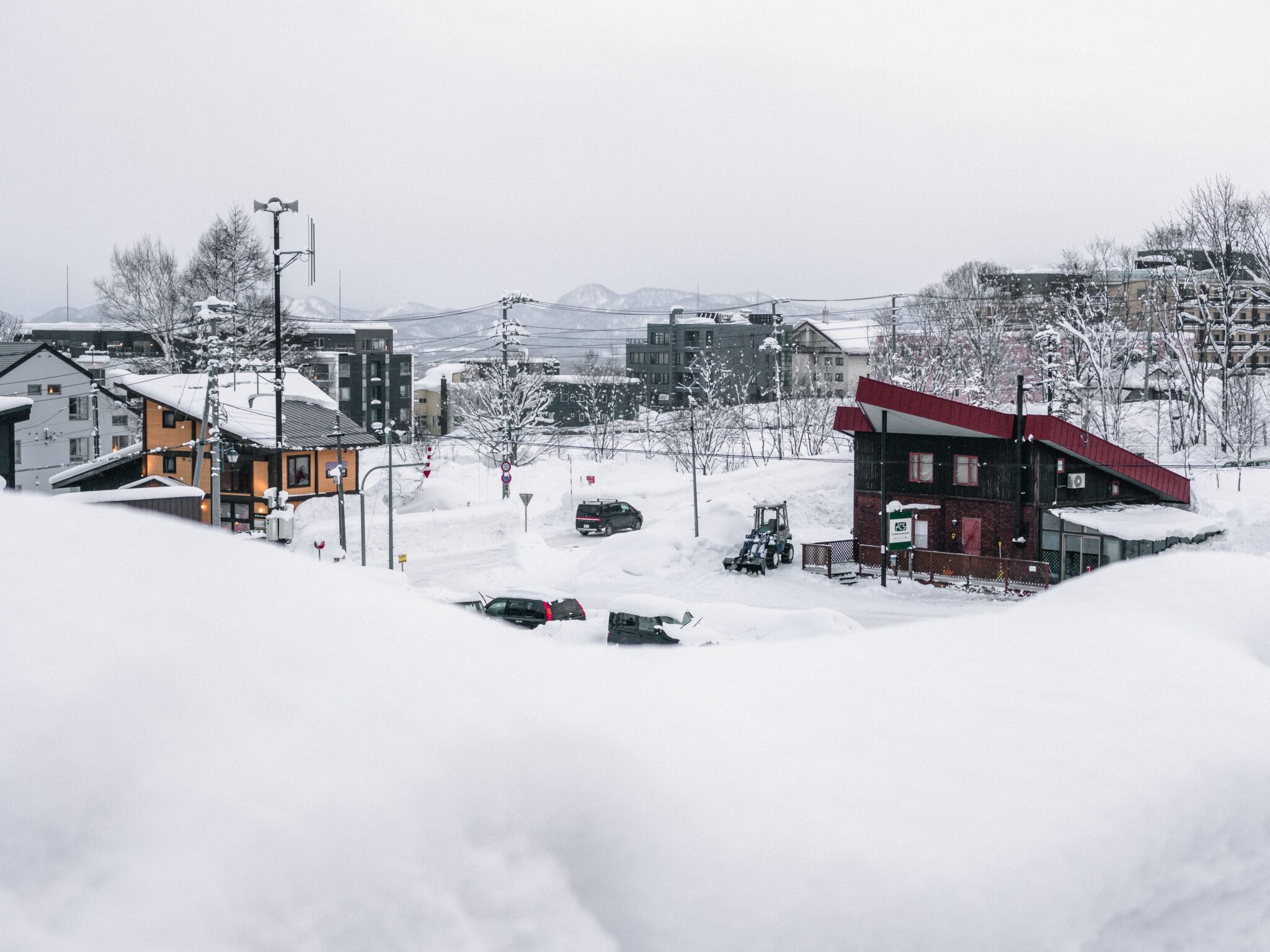
Hokkaido’s reputation starts with its snow. Cold air from Siberia crosses the Sea of Japan through the winter, picks up moisture and falls as light, dry powder on the mountains. Niseko recorded 44 feet (13.5 metres) of snowfall in the 2025-26 season, with fresh snow on 80 days and 20 feet (6.2 metres) in January alone.
That means regular powder days, tree skiing between the lifts and backcountry gates for anyone who wants to go further with a guide, as well as wide groomed runs and ski schools with English-speaking instructors for beginners and families. There is also night skiing on the main slopes, which is a fun way to round off a day on the mountain. For guests who would rather ski in the morning and spend the afternoon elsewhere, the resorts have plenty to fill the rest of the day, from snow drifting in a rally car to relaxing in an outdoor hot spring onsen.
Luxury hotels and private residences
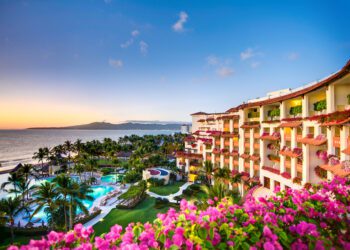
Niseko has an increasing number of luxury hotels, from international names such as Park Hyatt Niseko Hanazono and Higashiyama Niseko Village, a Ritz-Carlton Reserve, to independent properties including MUWA Niseko, Setsu Niseko, and Sansui. Six hotels in the Niseko area were recognised with MICHELIN Keys in the 2026 guide.
Some of the most memorable places to stay have their own onsen, a natural hot spring bath, and a private outdoor bath on a snowy terrace after a day of skiing is one of the best ways to unwind during the cold Hokkaido winter. Where a property doesn’t have one, public onsen are rarely far away.
Families and groups often prefer a private chalet or residence, and Niseko has a wide choice, from four and five bedroom homes with full kitchens and dying rooms for ski gear, to ski-in/ski-out residences with concierge services and an in-house chef on request. There is a broad range of Niseko accommodation to suit different group sizes and styles of trip.
Food and dining
Hokkaido is one of Japan’s most important food regions, known for its seafood, dairy, lamb bbq and fresh produce, as well as local sake, whisky, wine and Sapporo “classic” beer. In Niseko that translates into an excellent dining scene, from refined Japanese cuisine in the hotels to small restaurants and bars in the village. For many visitors, the food becomes as much a highlight of the trip as the skiing.
Rusutsu
Rusutsu, about 30 minutes from Niseko, is a single self-contained resort where the hotels, restaurants and lifts are all in one place. It spreads across three mountains, West Mountain, East Mountain and Mount Isola, with around 37 runs, 2,800 vertical feet (853 metres) and roughly 600 inches (1270 cm) of snow in an average season. The tree skiing is some of the best in Japan, and because the resort is a short drive from the main villages, the slopes are noticeably quieter than Niseko’s, even on a busy day.
Rusutsu is also part of the Epic Pass, which includes five consecutive days of skiing there each season with no blackout dates, so skiers who already hold a pass for the Rockies can add a Hokkaido week at no extra lift cost. The range of Rusutsu accommodation includes large resort hotels at the base of the lifts, serviced apartments such as The Vale Rusutsu, and a growing number of private chalets for families and groups located just outside of the resort.
Furano
Furano, further inland, is quieter again, with reliable snow, a relaxed town and easy access to the farms and vineyards of central Hokkaido. Most of the newer accommodation sits in the Kitanomine area at the base of the gondola, where the Fenix Furano and Fenix West condominium hotels offer modern apartments and penthouses with concierge services and views across the valley.
The newest addition is Lyra, a boutique collection of 20 residences a few minutes’ walk from the Kitanomine Gondola, due to open for the 2026-27 winter. The one to four bedroom apartments come with hotel-style services and access to the spa, sauna and restaurant at the neighbouring Nozo Hotel, which makes it a good fit for families and small groups who want space and a quieter base.
Getting there and when to go
From the United States, travellers fly into Tokyo and connect to New Chitose Airport near Sapporo, then continue to the resorts by private transfer, which takes around two to three hours. There is also a direct route from San Francisco to Sapporo, making Hokkaido easier to reach without connecting in Tokyo.
The best snow usually falls from mid-January through February. Peak weeks over Christmas, New Year and Chinese New Year are popular, so the top properties are worth reserving well in advance.
For skiers who want outstanding snow together with fine hotels and memorable food, Hokkaido offers a combination that is hard to find anywhere else in the world.