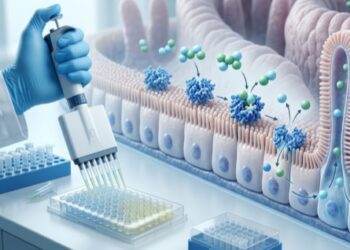
Modern preventive medicine continues to shift toward targeted biological communication. Small protein fragments act as biochemical keys, triggering specific cellular processes across human systems. Scientists and healthcare innovators examine how these short amino acid chains regulate metabolic activity and cellular repair.
Cellular Signaling and Precision Medicine
Modern preventive medicine focuses heavily on precise biological signaling rather than broad treatments. Scientific labs actively study research peptide capsules and other formulations to analyze how compound stability affects systemic absorption across cell tissues. Researchers want to observe how these discrete amino acid sequences communicate with specific cell receptors.
Targeted biological delivery represents a major shift in preventative health care. By sending distinct instruction sets to targeted cell clusters, researchers observe clearer response patterns without overwhelming surrounding tissues. High net worth investors and wellness researchers track these developments closely as personalized health protocols mature.
Precision signaling reduces off-target side effects in clinical trials. Traditional small molecule drugs interact with non-target receptors across multiple organs. Specific peptide sequences bind cleanly to targeted receptor sites, generating clear biological feedback.
Approved Therapies and Preclinical Studies
Clinical evaluation separates commercial treatments from experimental compounds in modern pharmacology. A clinical review from Ascenda Peptides highlighted that approved medications like tirzepatide have extensive human trial data, whereas emerging candidates like BPC-157 and MOTS-C appear primarily in preclinical research. This structural distinction helps laboratories categorize compound safety profiles.
Preclinical models provide foundational knowledge about tissue repair and metabolic pathways. Researchers test synthetic sequences in controlled environments to evaluate cellular uptake and molecular half-life. These detailed observations establish necessary baseline parameters prior to human trial design.
Regulatory oversight guarantees rigorous scrutiny for newly developed therapeutic candidates. Commercial production requires extensive toxicity testing and multi-phase human trials. Experimental research compounds remain strictly within laboratory boundaries until clinical efficacy is proven.
Expanding Market and Scientific Synthesis
Interest in targeted biomolecules extends across commercial markets and academic institutions worldwide. An industry report published by GlobalRPH noted that advanced synthesis techniques and deeper understanding of pharmacology drive massive expansion in the peptide therapeutics sector. Better manufacturing methods allow laboratory teams to produce pure compounds with reliable stability.
Several key developments propel current industry progress:
- Advanced chemical synthesis techniques that lower production friction
- Refined delivery mechanisms that protect molecular structure during administration
- Broader clinical investigations across metabolic and regenerative health conditions
Sustained capital investment accelerates these technological breakthroughs. Synthetic chemistry platforms manufacture custom peptide chains quickly and maintain exact structural fidelity. This manufacturing evolution guarantees consistent quality for laboratory research.
Capital allocation toward biopharmaceutical research continues to reach record highs. Institutional funds invest in automated peptide synthesis and screening platforms. These investments reduce research overhead and speed up discovery schedules.
Targeted Biological Benefits and Wellness
Biological signaling sequences influence multiple physiological systems simultaneously. A health overview by Vitalize Medical pointed out that short amino acid chains assist with tissue repair, metabolic balance, and cellular recovery. These targeted molecules interact directly with receptors to support natural regulatory loops.
Understanding cellular pathways allows researchers to isolate specific physiological responses. Metabolic peptides influence insulin sensitivity and fat oxidation without disrupting underlying endocrine loops. This level of control opens new avenues for personal health management and longevity optimization.
Somatic cellular repair relies on steady peptide signal transduction. When tissues experience physical stress or age-related decay, local signaling peptides initiate tissue reconstruction. Modern laboratories study these repair cascades to recreate therapeutic regenerative protocols.
Cellular Regeneration and Longevity Focus
Mitochondrial performance and cellular maintenance sit at the center of longevity research. Scientists evaluate how specific amino acid chains preserve tissue integrity during biological aging. By encouraging intracellular repair, research models show potential methods to limit structural degradation across extended periods.
Preserving lean mass and cellular energy production remains a priority for performance optimization. Researchers study growth hormone secretagogues to understand how biological signals preserve muscle density and bone mineral content. These findings contribute to proactive wellness frameworks designed to maintain physical vigor.
Telomere preservation and DNA repair mechanisms present another compelling frontier. Emerging research suggests certain signaling molecules help protect chromatin structure against oxidative stress. Maintaining nuclear integrity remains a primary objective for long-term health extension.
Future Directions in Molecular Health
Biotechnology continues to uncover novel signaling molecules with distinct therapeutic functions. Laboratory teams utilize artificial intelligence to predict molecular folding patterns and binding affinity with high precision. This computational power reduces discovery timelines and improves candidate selection.
Personalized health strategies depend on precise molecular tools. Diagnostic capabilities advance, allowing clinicians to match specific biological signals to individual physiological profiles. This shift promises higher treatment efficiency and superior long-term health outcomes.
Investment in preventive biological technologies will redefine modern medicine. Early adoption of precision biomolecules provides proactive individuals with control over their health trajectory. Future clinical milestones will validate new targets for human healthspan expansion.

The evolution of molecular health highlights the value of precise biological targeting. Continued investment in laboratory synthesis and clinical validation will unlock new strategies for preventive medicine and physical optimization. As scientific understanding expands, these molecular tools will play a central role in human health.