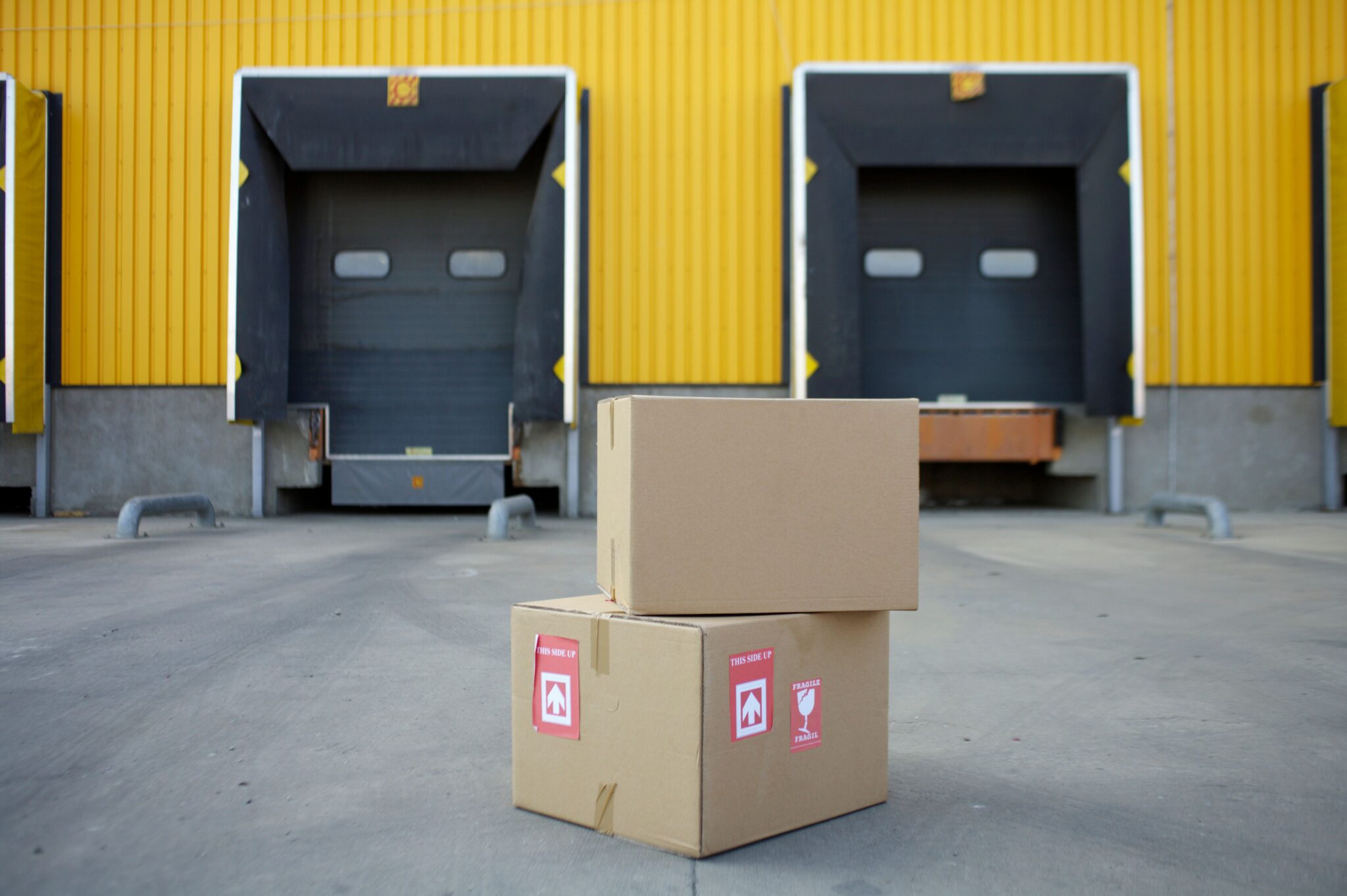
Loading docks bring forklifts, trailers, workers on foot, freight, and elevated surfaces into the same working area. A small change in trailer position, an unsecured dockboard, or a blocked sightline can turn an ordinary loading operation into a serious accident. OSHA identifies loading docks as hazardous locations for powered industrial trucks because forklifts can fall from dock edges, slip on poor surfaces, or drop into gaps between a dock and an unsecured trailer.
When an injury occurs during loading or unloading, Grey Law Accident & Injury Lawyers may need to consider how the dock was configured, who controlled the trailer, whether restraints were used, and whether equipment was maintained properly. Employers and contractors can have different responsibilities depending on the work arrangement, making the physical conditions and operating procedures at the dock important parts of the investigation.
1. Unsecured Trailers Can Move Away From the Dock
A trailer can move while a forklift is entering or leaving it. OSHA has long recognized both trailer creep and premature trailer departure as hazards during dock operations. If enough separation develops between the trailer and dock, the dockboard can lose support and a forklift may fall into the gap.
Federal powered-industrial-truck rules require highway-truck brakes to be set and wheel chocks used to prevent movement while forklifts enter the vehicle. OSHA also permits qualifying mechanical restraint systems that provide equivalent protection. California Section 3650 similarly prohibits driving industrial trucks into or out of trailers at loading docks until the trailer is securely blocked or restrained and its brakes are set.
2. Dockboards and Leveling Devices Can Shift or Fail
A dockboard bridges the space and height difference between a loading dock and a trailer. That relatively small piece of equipment may support a loaded forklift repeatedly during a shift. OSHA requires dockboards to be capable of supporting their maximum intended load, and portable dockboards generally must be anchored or otherwise secured against movement.
Run-off protection is another consideration. Dockboards placed into service under OSHA’s current general-industry rule generally need to be designed, constructed, and maintained to prevent transfer vehicles from running off their edges, subject to a specified exception. Damage, inadequate load capacity, or movement away from a safe position can make the transition between dock and trailer unstable.
3. Open Dock Edges Can Create Fall Hazards
Loading docks operate at an elevated height so trailers can align with the working surface. The same elevation creates a fall hazard when no trailer is present or when workers and forklifts move too close to the edge. OSHA advises forklift operators to maintain a safe distance from dock edges and recommends improving edge visibility.
OSHA’s warehousing guidance also addresses exposed loading-dock doors and other openings where workers can fall. Depending on the work taking place and the configuration of the platform, fall protection requirements can apply to unprotected sides and edges four feet or more above a lower level. Keeping unused openings protected and making dock edges readily identifiable can reduce unexpected exposure to a drop.
4. Trailer Floors May Not Support a Loaded Forklift
The dockboard is not the only surface that needs to support the truck. Once a forklift enters a trailer, the trailer floor carries the combined weight of the forklift, operator, and load. Deteriorated wood, damaged structural components, water damage, or other weaknesses can leave flooring unable to withstand those forces.
Federal OSHA requires trailer and truck flooring to be checked for breaks and weaknesses before forklifts drive onto it. California’s industrial-truck regulation contains the same basic requirement, directing operators to check flooring for breaks and other structural weakness before entry. OSHA also warns that damaged highway trailers can create risks when they cannot support the powered industrial truck being used for loading or unloading.
5. Forklifts and Pedestrians Can Cross the Same Travel Paths
Workers on foot frequently share loading docks with forklifts transporting pallets between warehouses and trailers. Visibility can be limited by freight, trailers, doorways, staging areas, or the load carried by the forklift. An operator leaving a trailer may also encounter a pedestrian immediately outside the doorway.
OSHA directs operators on loading docks to slow down, watch for others, look in the direction of travel, and remain alert to obstacles when exiting trailers. General material-handling rules also require sufficient safe clearances at loading docks and direct employers to keep aisles and passageways clear and appropriately marked. Separating pedestrian routes from forklift paths where practical can reduce unexpected conflicts.
6. Wet, Cluttered, or Damaged Dock Surfaces Can Reduce Control
Loading docks can be exposed to rain, tracked-in moisture, packaging materials, damaged pallets, shrink wrap, and other debris. OSHA identifies slipping and skidding on wet or icy dock surfaces as a potential forklift hazard and recommends keeping working surfaces clean and clear.
Housekeeping affects workers on foot as well. OSHA’s material-handling requirements state that aisles and passageways used with mechanical handling equipment must remain clear, in good repair, and free of obstructions that create hazards. Storage areas also need to remain free from accumulations of materials that create tripping or other recognized dangers.
7. Poor Coordination Can Lead to Premature Trailer Departure
A trailer can stay in place mechanically but may still move unexpectedly if dock workers and the truck driver do not communicate well. OSHA has noted the danger of drivers leaving while a forklift is still loading or unloading the trailer. Employers must have safe work practices and a system to prevent truck drivers from leaving during forklift operations.
Facilities can use dock lights, communication systems, vehicle restraints, documented procedures, or other controls based on their operations. The main safety goal is simple: dock personnel and drivers need to clearly know when loading is finished and when it is safe for the trailer to move. Relying only on wheel restraints is not enough; there must be coordinated procedures for when trailers arrive and leave.
Loading Dock Safety Depends on the Whole Transfer Process
Loading docks function as transition points between a warehouse and a transportation vehicle. That makes the condition of the dock, trailer, dockboard, forklift, and surrounding traffic relevant at the same time. A safe forklift cannot compensate for a trailer that moves unexpectedly, and a secure trailer cannot eliminate hazards created by a damaged dock plate or an unprotected edge.
OSHA requirements address these hazards through overlapping rules covering dockboards, trailer restraint, forklift operation, floor inspection, housekeeping, and safe clearances. After an accident, examining these elements together can help establish how the transfer process was being managed and whether a preventable failure occurred before the worker was injured.