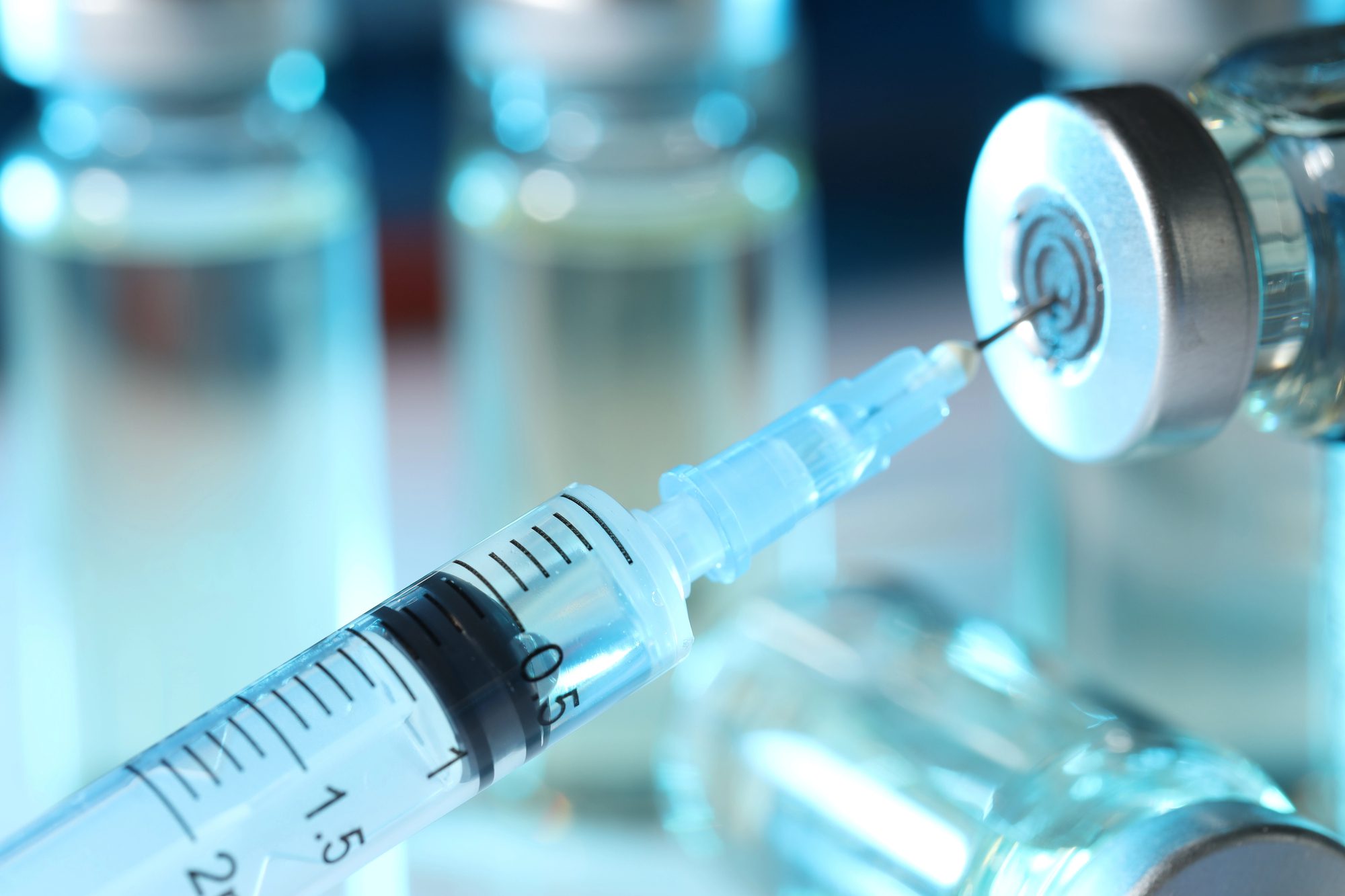
In this regard the vaccination is needed to boost the immunity of the body which would help in fighting off certain infections and germs that may enter the human body. Vaccines are essential and useful in reducing the spread of diseases as they are helpful to a great extent. It is crucial for the ones going through it to have an insight regarding the vaccination and the process of preventing infection and disease that may occur.
Building Immune Protection
Vaccines work by exposing the immune system to a weak form of the disease-causing agent or one of its molecules, and thus help the body build resistance to the disease without necessarily exposing the body to the disease. This resistance may help the body fight off the infection in case of exposure.
Different vaccines provide immunity to different diseases. In addition, to ensure protection, some of them require a course of several injections or a booster dose after some time. Moreover, the vaccine’s application schedule depends on the person’s age, the nature of the disease, previous vaccination, occupation, and place of work. Therefore, it is necessary to study the vaccination schedule in order to determine what vaccines to take and when.
Reducing Infection Spread
Vaccination might also prevent the spread of certain infections among a community. Because of reduced circulation, infectious diseases cannot infect a person from another individual. Community members are, therefore, offered protection, especially those not provided with immunization or those whose bodies do not recognize vaccines.
Vaccination cannot replace other preventive measures. Depending on the infection, it is also necessary to observe hygienic standards, observe social distancing, and use barrier methods during intercourse. For example, a condom can protect against many sexually transmitted infections, and vaccination, for example, from human papillomavirus and hepatitis B, will protect against these diseases.
Preventing Serious Complications
Some infections have as their consequence the appearance of various secondary effects difficult to treat. Such infections can be prevented through vaccination, which in turn will reduce the overall damage to the population by eliminating or significantly reducing these negative effects. This is particularly important for infections that lead to hospitalization or have other severe consequences.
Improving protection against infection can help reduce the strain on healthcare by reducing the number of people getting sick. This decreases the number of visits to the hospitals and the number of unnecessary procedures needed for preventable diseases. Maintaining recommended vaccinations are therefore beneficial not only to the individual, but also to the community.
Supporting Informed Prevention
People may find it helpful to consult with a medical professional about their vaccination needs. The professional can go through the person’s vaccination records, go over what vaccines they may need to obtain, and even go over what other procedures may be beneficial to them, such as proper hygiene and other things that may need to be used when engaging in sexual activity, such as a lubricant.
Recreation: Reliable information is critical for vaccination recommendations because this data changes due to research and health experts’ advice. It is essential to rely on medical and public health sources to get a reliable understanding of the effectiveness and side effects of vaccines and follow the necessary instructions for receiving them. Thus, it is vital for people to examine the benefits and disadvantages of being vaccinated.
Vaccination is an excellent method to prevent numerous infections and their dangerous complications. It significantly contributes to the health maintenance of the population since it helps the immune system to struggle with pathogens that cause illnesses. Moreover, it minimizes the risk of transmission and, together with hygienic practices, safe behavior, and proper health care, prevents the spread of diseases in the population.