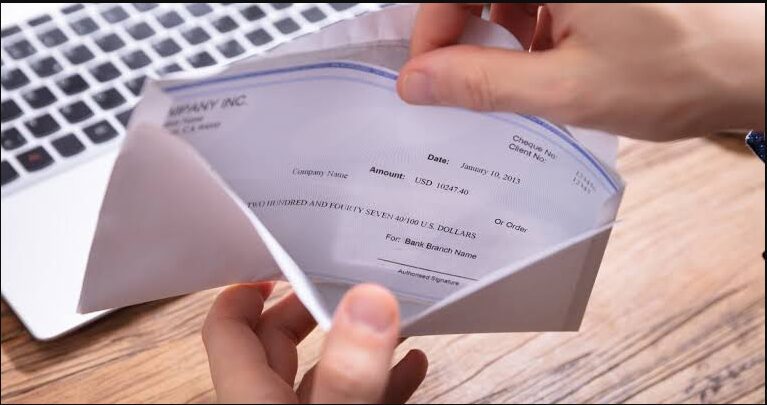
Living paycheck to paycheck can make managing money feel stressful. When most or all of your income is needed to cover essential expenses, an unexpected bill can quickly create a financial setback.
The good news is that even when money is tight, small changes can improve your financial situation. You do not need a high income to start managing your money more effectively. The goal is to understand where your money goes, prioritize essential expenses, reduce unnecessary costs, and gradually create financial breathing room.
Learning how to manage money when living paycheck to paycheck starts with creating a realistic plan based on your actual income and expenses.
What Does Living Paycheck to Paycheck Mean?
Living paycheck to paycheck generally means relying on your next paycheck to cover upcoming expenses, with little or no money left over after essential costs.
This situation can happen at almost any income level. High housing costs, debt payments, childcare, transportation, food, and other expenses can consume a large portion of a household’s income.
The first step is not to feel ashamed about your situation. Instead, focus on understanding your numbers and identifying practical areas where you can make changes.
1. Know Exactly How Much You Earn
Start by calculating your reliable monthly income.
If you receive a regular salary, this may be relatively straightforward. If your income changes from month to month, use a conservative estimate based on your lower-earning months.
Include reliable income sources such as:
- Employment income
- Regular freelance income
- Benefits
- Other predictable payments
Avoid building your budget around uncertain income.
Knowing exactly how much money is available gives you a foundation for making realistic spending decisions.
2. Track Every Expense
When money is tight, small purchases can have a noticeable impact.
For one month, record every expense, including:
- Rent or mortgage
- Groceries
- Transportation
- Utilities
- Debt payments
- Insurance
- Subscriptions
- Dining out
- Entertainment
- Shopping
- Small everyday purchases
Do not judge your spending while tracking it. The purpose is simply to discover where your money is going.
Once you have the information, you can identify expenses that may be reduced.
3. Separate Needs From Wants
Create two categories: essential expenses and optional expenses.
Essential expenses might include housing, food, utilities, transportation, insurance, and minimum debt payments.
Optional expenses could include restaurant meals, entertainment, subscriptions, shopping, and other nonessential purchases.
This does not mean eliminating every enjoyable expense. Instead, identify which expenses can temporarily be reduced while you work toward greater financial stability.
4. Create a Paycheck Budget
If you are paid weekly, biweekly, or twice a month, consider budgeting around your actual paydays.
Instead of creating only a monthly plan, determine what each paycheck needs to cover.
For example:
| Paycheck Allocation | Example Amount |
|---|---|
| Housing | $700 |
| Groceries | $200 |
| Transportation | $100 |
| Utilities | $100 |
| Debt Payments | $150 |
| Savings | $50 |
| Personal Spending | $100 |
| Miscellaneous | $100 |
| Total | $1,500 |
These figures are examples only. Your actual amounts should reflect your income and expenses.
A paycheck-based budget can make it easier to avoid spending money that is already needed for upcoming bills.
5. Build a Small Emergency Fund
When you are living paycheck to paycheck, saving may feel impossible.
Start extremely small.
Your first goal could be $100, followed by $250, then $500.
Even a small emergency fund can provide some protection against unexpected expenses.
Once your financial situation improves, you can work toward a larger reserve that covers several months of essential expenses.
6. Reduce Recurring Expenses
Recurring expenses deserve special attention because they continue every month.
Review:
- Streaming services
- Gym memberships
- Phone plans
- Internet plans
- Insurance
- Software subscriptions
- Unused memberships
- Other automatic payments
Cancel services you no longer use and compare prices where practical.
Reducing a recurring expense by $20 per month saves $240 over a year.
Small recurring savings can have a meaningful cumulative effect.
7. Reduce Food Costs
Food is an area where many households can potentially find savings.
Consider:
- Planning meals before shopping
- Cooking at home more frequently
- Buying store-brand products
- Comparing grocery prices
- Reducing food delivery
- Using leftovers
- Avoiding shopping while hungry
- Creating a weekly grocery limit
You do not need to eliminate restaurants completely. Set a realistic amount for eating out and stay within that limit.
8. Manage Debt Strategically
Debt payments can consume a significant part of a paycheck.
Make sure you know the balance, interest rate, minimum payment, and due date for each debt.
Prioritize required payments first. If you have multiple debts, you can consider strategies such as paying extra toward the highest-interest debt or using the debt snowball method to eliminate smaller balances first.
Avoid taking on new high-interest debt whenever possible.
9. Use a Short-Term Spending Freeze
If you are facing a particularly difficult month, consider temporarily reducing nonessential spending.
For example, for two weeks you might avoid:
- Online shopping
- Restaurant meals
- Unplanned entertainment
- Unnecessary subscriptions
- Impulse purchases
A short-term spending reset can help you identify which purchases are truly necessary.
The goal is not to maintain extreme restrictions permanently. It is to create temporary breathing room.
10. Find Ways to Increase Income
Cutting expenses has limits.
If your essential expenses already consume most of your income, increasing income may be more effective than trying to cut everything.
Potential options include:
- Freelancing
- Overtime
- Part-time work
- Selling unused items
- Tutoring
- Remote work
- Skill-based services
- Negotiating a raise
- Developing new professional skills
Choose opportunities that fit your schedule and circumstances.
11. Use Extra Money Carefully
Unexpected money can disappear quickly if you do not have a plan.
Extra money could come from a bonus, tax refund, gift, freelance project, or sale of unused belongings.
Consider dividing it among important priorities.
For example:
Emergency savings + debt repayment + necessary expenses + small personal reward
This allows you to improve your financial situation without feeling like you cannot enjoy any additional money.
12. Avoid Lifestyle Inflation
When your income increases, it can be tempting to immediately increase your spending.
If you receive a raise, consider keeping your current lifestyle for a while and directing part of the additional income toward savings or debt repayment.
This can help you gradually move away from paycheck-to-paycheck living.
13. Plan for Irregular Expenses
Some expenses are not monthly but should still be expected.
Examples include:
- Car repairs
- Annual insurance
- Holiday gifts
- School expenses
- Home maintenance
- Medical costs
- Travel
- Property expenses
Create small savings categories for these expenses.
If you know you will need $600 for an annual expense, saving $50 per month is easier than finding $600 at the last minute.
14. Use a Weekly Money Check-In
You do not need to spend hours managing your finances.
Set aside 15–20 minutes each week to review:
- Account balances
- Upcoming bills
- Recent spending
- Debt payments
- Savings progress
- Upcoming expenses
Regular check-ins can help you catch problems before they become serious.
Simple Paycheck-to-Paycheck Money Plan
| Priority | Action |
|---|---|
| 1 | Cover essential expenses |
| 2 | Make required debt payments |
| 3 | Track spending |
| 4 | Build a small emergency fund |
| 5 | Reduce unnecessary recurring costs |
| 6 | Plan for irregular expenses |
| 7 | Increase income where possible |
| 8 | Pay down expensive debt |
| 9 | Build larger savings |
| 10 | Work toward long-term financial goals |
Common Mistakes to Avoid
Ignoring Your Numbers
Avoiding your bank balance does not make financial problems disappear. Understanding your numbers gives you the ability to make decisions.
Using Credit Cards for Everyday Shortfalls
Credit cards can provide temporary relief but may create a larger problem if balances accumulate.
Creating an Unrealistic Budget
A budget that cuts every enjoyable activity may be difficult to maintain. Build a plan that is strict enough to help but realistic enough to follow.
Saving Too Much Too Soon
Building savings is important, but you also need enough money for essential expenses. Start with a manageable amount.
Focusing Only on Cutting Expenses
There is a limit to how much you can save by reducing spending. Increasing income may be necessary when essential costs already consume most of your paycheck.
Final Thoughts
Learning how to manage money when living paycheck to paycheck is about creating control and gradually building financial breathing room.
Start by tracking your income and expenses. Prioritize essential bills, reduce unnecessary recurring costs, plan for irregular expenses, manage debt carefully, and begin building even a small emergency fund.
At the same time, look for realistic ways to increase your income.
Do not expect your financial situation to change overnight. A $20 saving here and a $50 saving there may seem small, but consistent improvements can eventually create meaningful progress.
The ultimate goal is to move from simply surviving until the next paycheck to having enough savings and flexibility to handle unexpected expenses and work toward larger financial goals.
Frequently Asked Questions
How can I save money when I have nothing left after bills?
Start very small. Even $5 or $10 per paycheck can establish a savings habit. Also review recurring expenses and look for opportunities to reduce costs or increase income.
What should I do first when living paycheck to paycheck?
Start by tracking your income and every expense. Then prioritize housing, food, utilities, transportation, insurance, and required debt payments.
How much should I keep in an emergency fund?
Start with a small target that feels achievable, such as $100, $250, or $500. Once you have a basic cushion, gradually work toward several months of essential expenses.
Should I pay off debt or save money first?
Consider maintaining a small emergency fund while making required debt payments. After that, the balance between saving and additional debt repayment depends on interest rates and your financial circumstances.
How can I stop overspending between paychecks?
Create a paycheck-based spending plan and separate money needed for bills from discretionary spending. Tracking expenses throughout the pay period can also help prevent overspending.
How can I reduce monthly expenses quickly?
Review subscriptions, phone and internet plans, insurance, food spending, transportation costs, and other recurring expenses. Focus on changes that reduce costs without creating new problems.
Should I stop using credit cards?
That depends on your circumstances. If credit card use is causing balances to grow, consider reducing or stopping discretionary credit card spending while developing a debt repayment plan.
What if my income is not enough to cover basic expenses?
If essential expenses exceed your income, cutting discretionary spending alone may not solve the problem. Look for ways to increase income, reduce major fixed expenses, access available assistance, or seek professional financial guidance.
How can I budget with an irregular income?
Use a conservative estimate based on your lower-income months. Prioritize essential expenses first and build savings during higher-income months to help cover periods when income is lower.
How do I stop living paycheck to paycheck?
Focus on three areas: reduce unnecessary expenses, increase income where possible, and build an emergency fund. As your financial cushion grows, unexpected expenses become less likely to disrupt your entire budget.
Is it possible to save while living paycheck to paycheck?
Yes, although the amount may initially be very small. Consistency matters more than starting with a large contribution.
How often should I review my budget?
A weekly check-in can help you stay on track, while a more detailed monthly review can help you adjust your budget as your income and expenses change.