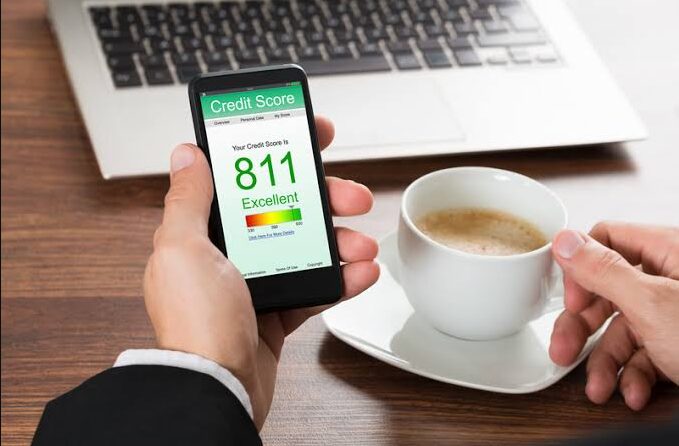
A good credit score can make it easier to qualify for loans, credit cards, housing, and other financial products. It may also help you access better borrowing terms. If your credit score is lower than you would like, the good news is that several practical steps can help improve it over time.
However, there is no legitimate method that can guarantee a dramatic credit score increase overnight. Your score is based on information in your credit history, and meaningful improvement usually requires consistent financial habits.
If you are looking for the best ways to improve your credit score quickly, focus on the factors that have the greatest impact and avoid strategies that promise instant results.
What Is a Credit Score?
A credit score is a numerical representation of information in your credit history. Lenders and other businesses may use credit scores to help assess how likely you are to repay borrowed money.
Credit scoring systems can consider factors such as:
- Payment history
- Credit utilization
- Length of credit history
- Types of credit accounts
- Recent credit applications
- Outstanding debt
The exact scoring model can vary, so an action that affects one person’s score may not affect another person’s score in exactly the same way.
1. Pay Every Bill on Time
Payment history is one of the most important parts of many credit scoring models.
A missed or late payment can negatively affect your credit history, particularly when it becomes seriously overdue.
Create a system that helps you avoid missed payments.
You can:
- Set up automatic payments
- Use calendar reminders
- Schedule payments immediately after payday
- Review account due dates regularly
If possible, pay at least the required minimum by the due date even when you cannot pay the full balance.
2. Reduce Your Credit Utilization
Credit utilization refers to how much of your available revolving credit you are using.
For example, if your credit card limits total $10,000 and your balances are $3,000, your utilization is 30%.
A lower utilization ratio can generally be better for your credit profile than consistently using a large portion of your available credit.
You can reduce utilization by:
- Paying down credit card balances
- Avoiding unnecessary purchases
- Making payments before your statement closes
- Requesting a higher credit limit when appropriate
However, do not increase your credit limit simply to spend more.
3. Pay Down Credit Card Debt
Reducing credit card debt can help your overall financial situation and may also improve your credit profile if it lowers your utilization.
Instead of focusing on paying the smallest possible amount every month, create a debt repayment strategy.
You could prioritize:
- The highest-interest balance
- The smallest balance
- The card with the highest utilization
Choose a method that fits your financial circumstances and helps you remain consistent.
4. Check Your Credit Reports
Errors on credit reports can potentially hurt your credit score.
Review your credit reports for incorrect information such as:
- Accounts you do not recognize
- Incorrect payment history
- Wrong account balances
- Duplicate accounts
- Incorrect personal information
- Accounts that should no longer appear
If you find inaccurate information, follow the appropriate dispute process with the relevant credit reporting organization.
Do not assume that every negative entry is an error simply because it lowers your score.
5. Avoid Applying for Too Much Credit
Submitting multiple credit applications within a short period can potentially affect your credit profile.
Before applying for a new credit card or loan, consider whether you actually need it.
Frequent applications can also encourage unnecessary borrowing.
Instead, research available options first and apply selectively.
6. Keep Older Accounts Open When Appropriate
The length of your credit history can be relevant to some credit scoring models.
Closing an older credit card may reduce your available credit and potentially affect your credit profile.
However, keeping an account open is not always the best choice. If an account has expensive fees, creates financial problems, or encourages unnecessary spending, closing it may still make sense.
Consider the overall impact before making the decision.
7. Pay More Than the Minimum
Making only minimum payments can keep debt around for a long time.
Whenever your budget allows, pay more than the required minimum.
For example, if your credit card requires a $50 payment and you can comfortably pay $150, the additional amount can reduce your balance faster.
Lower balances can also help reduce credit utilization.
8. Ask About Higher Credit Limits Carefully
A higher credit limit can reduce your utilization ratio if your spending stays the same.
For example, if you have a $2,000 balance on a $5,000 limit, your utilization is 40%.
If the limit increases to $10,000 while the balance remains $2,000, utilization becomes 20%.
However, requesting a higher limit does not guarantee approval, and some lenders may review your credit before making a decision.
Never increase your credit limit with the intention of increasing your spending.
9. Deal With Past-Due Accounts
If you have overdue accounts, addressing them should be a priority.
Contact the creditor or lender to understand your available options.
Depending on your situation, you may be able to arrange a payment plan or bring the account current.
Past negative information may remain on your credit history for a period of time, so preventing additional late payments is especially important.
10. Manage Different Types of Credit Responsibly
Credit scoring models may consider the types of credit accounts in your profile.
This can include revolving credit, such as credit cards, and installment loans.
However, you should not open unnecessary accounts simply to create a particular credit mix.
Only use credit products that serve a legitimate financial purpose.
11. Avoid Closing Several Accounts at Once
Closing multiple credit accounts at the same time can change your available credit and potentially affect your credit profile.
If you are considering closing accounts, evaluate each one individually.
Consider its age, credit limit, fees, balance, and whether keeping it open encourages unnecessary spending.
12. Create a Debt Payment Calendar
Organization can make a significant difference.
Create a list showing:
| Account | Balance | Due Date | Minimum Payment |
|---|---|---|---|
| Credit Card A | $1,500 | 5th | $50 |
| Credit Card B | $800 | 12th | $35 |
| Personal Loan | $4,000 | 20th | $150 |
| Credit Card C | $600 | 27th | $30 |
This simple system can help you keep track of your obligations and avoid missed payments.
Credit Score Improvement Checklist
| Action | Potential Benefit |
|---|---|
| Pay bills on time | Protects payment history |
| Reduce card balances | Can lower utilization |
| Check credit reports | Helps identify errors |
| Limit unnecessary applications | Reduces new-credit activity |
| Pay down debt | Improves overall financial position |
| Maintain responsible older accounts | Can support credit history |
| Avoid missed payments | Prevents additional negative history |
| Monitor credit regularly | Helps detect problems early |
How Quickly Can Your Credit Score Improve?
The timeline varies from person to person.
If your score is being affected by high credit utilization, paying down balances may produce changes relatively quickly after the relevant information is reported.
If your credit history contains serious late payments, defaults, or other negative information, improvement may take considerably longer.
Your goal should not be to achieve a specific score overnight. Instead, focus on improving the financial behaviors that influence your credit profile.
Common Credit Score Mistakes to Avoid
Paying Bills Late
Even an occasional missed payment can create unnecessary problems.
Maxing Out Credit Cards
Using a large portion of available credit can negatively affect your credit profile.
Applying for Numerous Cards
Opening multiple accounts quickly can create unnecessary credit inquiries and debt.
Closing Old Accounts Without Considering the Impact
Closing an account can change your available credit and credit history.
Carrying Debt Just to Build Credit
You do not need to pay interest unnecessarily to demonstrate responsible credit use.
Believing Credit Repair Scams
Be cautious of companies or individuals promising guaranteed credit score increases or claiming they can instantly remove accurate negative information.
Final Thoughts
The best ways to improve your credit score quickly involve focusing on the fundamentals: pay bills on time, reduce credit card balances, keep utilization under control, review your credit reports, and avoid unnecessary applications for new credit.
Some changes can appear relatively quickly, particularly when high credit utilization is reduced. Other improvements require months or years of consistent financial behavior.
Do not focus solely on your credit score. A strong financial position also involves manageable debt, emergency savings, responsible spending, and living within your means.
The most effective credit strategy is one that you can maintain consistently.
Frequently Asked Questions
What is the fastest way to improve a credit score?
Reducing high credit card balances and ensuring all bills are paid on time can be among the most useful steps. The exact impact and timing depend on your credit history and the scoring model used.
Can I increase my credit score in 30 days?
It is possible for some people to see changes within a month, particularly if credit card balances decrease significantly or inaccurate information is corrected. However, there is no guaranteed 30-day improvement.
Does paying off a credit card improve your credit score?
Paying down a credit card can reduce your credit utilization, which may help your credit profile. The exact effect depends on your overall credit history and scoring model.
How long does it take to rebuild bad credit?
There is no universal timeline. Minor issues may improve relatively quickly with consistent payments, while serious negative information can take much longer to recover from.
Should I close a credit card after paying it off?
Not necessarily. Closing a card can reduce your available credit and may affect your credit profile. Consider the card’s age, limit, fees, and whether keeping it open encourages overspending.
Does checking my own credit score lower it?
Checking your own credit information generally does not have the same effect as a lender making a hard inquiry for a new credit application.
Does paying bills on time improve credit?
Consistent on-time payments can help maintain and improve your credit history. Payment history is an important factor in many credit scoring models.
How much credit card utilization is ideal?
Lower utilization is generally viewed more favorably than consistently using a large portion of your available revolving credit. Avoid treating any specific percentage as a guaranteed score threshold.
Can a credit repair company instantly fix my credit?
No legitimate company can guarantee an instant credit score increase or remove accurate negative information simply because you pay for the service.
Does having multiple credit cards improve your score?
Not automatically. Having multiple cards can increase available credit, but opening accounts solely to improve your score can create unnecessary debt and credit applications.
Should I pay my credit card before the due date?
You should make at least the required payment by the due date. Paying earlier can also help reduce the balance that gets reported, depending on the issuer’s reporting practices.
Why is my credit score not increasing?
Possible reasons include high utilization, recent late payments, negative information, new credit applications, limited credit history, or changes in the information being reported. Credit scores can also vary between scoring models.