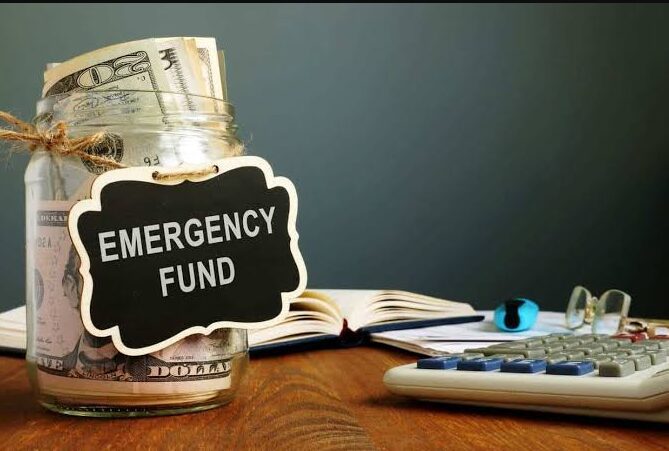
Building an emergency fund can feel almost impossible when you are living on a low salary. After paying for rent, groceries, transportation, bills, and other necessities, there may seem to be nothing left to save.
However, you do not need a high income to start building an emergency fund. The key is to start small, make saving automatic, reduce unnecessary expenses, and gradually increase your savings over time.
An emergency fund provides financial protection when unexpected expenses appear. A car repair, medical bill, job loss, urgent home expense, or family emergency can quickly create financial stress if you have no savings.
Learning how to build an emergency fund on a low salary can help you become more financially secure without requiring a major change in your lifestyle.
What Is an Emergency Fund?
An emergency fund is money set aside specifically for unexpected and necessary expenses.
It is different from money you save for vacations, entertainment, a new phone, or other planned purchases. The purpose of an emergency fund is to protect you when something happens that you did not expect.
Common situations where an emergency fund can help include:
- Unexpected medical expenses
- Car or transportation repairs
- Urgent home repairs
- Temporary loss of income
- Unexpected family expenses
- Essential appliance replacement
- Emergency travel
The money should ideally be kept somewhere safe and easily accessible.
How Much Should You Save?
You do not need to save several months of expenses immediately.
If you have no emergency savings, your first goal could simply be to save a small amount. Once you reach that initial target, you can gradually work toward a larger emergency fund.
A simple progression might look like this:
| Emergency Fund Goal | Purpose |
|---|---|
| $100 | Handle very small emergencies |
| $500 | Cover common unexpected expenses |
| $1,000 | Create a stronger basic safety net |
| 1 month of expenses | Protect against a short-term income problem |
| 3 months of expenses | Build a more substantial emergency reserve |
| 6+ months of expenses | Greater protection against major income disruption |
The appropriate amount depends on your income, expenses, job stability, family responsibilities, and financial situation.
The important thing is not to wait until you can afford a large emergency fund. Start with whatever amount you can reasonably save.
1. Start With a Small Savings Goal
When money is tight, setting a huge savings target can make the process feel impossible.
Instead, choose a small initial goal.
For example, saving $5, $10, or $20 at a time may not seem significant, but consistent contributions can eventually create a meaningful financial cushion.
Your first goal could be $100. Once you reach it, aim for $250, then $500, and eventually $1,000.
Breaking a large financial goal into smaller milestones makes it easier to stay motivated.
2. Track Every Expense
One of the best ways to find money for savings is to understand where your current money goes.
Track your expenses for at least one month. Include everything from rent and groceries to small purchases such as snacks, delivery fees, subscriptions, and entertainment.
You may discover spending patterns that you were not aware of.
For example, cutting several small recurring expenses could free up money that can be redirected toward your emergency fund.
You do not need to eliminate everything you enjoy. The goal is to identify expenses that provide little value compared with the financial security you could gain by saving the money.
3. Automate Your Savings
Saving becomes easier when you do not have to remember to do it.
Set up an automatic transfer from your main account to a separate savings account whenever you receive your salary.
Even a small automatic transfer can make a difference.
For example, saving $10 per week would result in approximately $520 over a year. Saving $25 per week would produce approximately $1,300 over a year.
The amount matters less than developing a consistent habit.
4. Use the 24-Hour Rule
Impulse purchases can make saving difficult.
Before buying something that is not essential, wait 24 hours.
This simple rule gives you time to decide whether you actually need the item or simply want it in the moment.
If you decide not to make the purchase, consider transferring part or all of the money you would have spent into your emergency fund.
Over time, small decisions can add up.
5. Reduce One Expense at a Time
You do not need to completely change your lifestyle overnight.
Instead, look for one expense that you can reduce.
You might:
- Cook at home more often
- Cancel unused subscriptions
- Compare insurance or service costs
- Reduce food delivery
- Buy generic products
- Plan grocery shopping
- Reduce unnecessary transportation costs
- Wait for discounts on nonessential purchases
If you save $30 per month by making a few small changes, that is $360 per year that could go toward your emergency fund.
6. Put Unexpected Money Into Savings
Occasionally, you may receive money that was not part of your normal monthly budget.
Examples include:
- Work bonuses
- Gifts
- Tax refunds
- Freelance payments
- Cash gifts
- Side-income earnings
- Selling unused items
Instead of spending all of this money, consider putting some or all of it into your emergency fund.
Unexpected income can accelerate your progress without reducing your normal monthly spending.
7. Consider a Small Side Income
When your salary is extremely limited, cutting expenses may only go so far.
A small additional income stream can make saving easier.
Depending on your skills and available time, possibilities may include freelancing, tutoring, online services, selling unused belongings, weekend work, or other legitimate side-income opportunities.
You do not need to earn hundreds of dollars every week.
Even an additional $50 or $100 per month could significantly accelerate your emergency savings.
8. Keep Your Emergency Fund Separate
It can be tempting to keep emergency savings in the same account you use for everyday spending.
However, this can make it easier to spend the money accidentally.
Consider keeping your emergency fund in a separate savings account that is accessible when you genuinely need it but not constantly visible as spending money.
Avoid investing emergency savings in highly volatile assets. The primary purpose of an emergency fund is accessibility and stability, not maximum investment growth.
9. Don’t Stop After Reaching Your First Goal
Saving your first $500 or $1,000 is an important achievement, but it does not necessarily mean you are finished.
Once you reach your initial emergency-fund goal, continue saving if your financial situation allows.
You can gradually work toward having enough money to cover one month of essential expenses and eventually several months.
If you use part of your emergency fund, make rebuilding it a priority after the emergency has passed.
Simple Monthly Emergency Fund Plan
Here is an example of how someone with a limited income could approach saving:
| Monthly Action | Example Amount |
|---|---|
| Automatic savings | $20 |
| Expense reductions | $30 |
| Side income contribution | $50 |
| Occasional extra income | $25 |
| Total potential monthly savings | $125 |
At $125 per month, you could potentially save $1,500 over a year.
Your actual numbers will depend on your income and expenses, but this demonstrates how several small sources of savings can combine into a meaningful emergency fund.
Common Emergency Fund Mistakes
Avoid making your emergency fund unnecessarily difficult to build.
Some common mistakes include:
Waiting Until You Earn More
You may think you will start saving after receiving a raise. Unfortunately, lifestyle expenses often increase alongside income.
Starting with a small amount today is usually better than waiting for the perfect financial situation.
Setting an Unrealistic Goal
A goal that is too large can discourage you. Break it into smaller milestones.
Using Emergency Savings for Wants
A new phone or vacation is usually a planned expense rather than an emergency. Create separate savings categories for predictable purchases.
Giving Up After Missing a Month
Financial progress is rarely perfect. If you cannot save one month, simply restart the following month.
Final Thoughts
Learning how to build an emergency fund on a low salary is primarily about consistency rather than earning a huge income.
Start with a small target, track your expenses, automate savings, reduce unnecessary spending, and put unexpected income toward your financial cushion.
You do not have to save thousands of dollars immediately. Even your first $50 or $100 represents progress.
The ultimate goal is to create enough savings that an unexpected expense does not immediately turn into debt or financial crisis.
Start small, stay consistent, and increase your savings whenever your income or financial situation improves.
Frequently Asked Questions
Can I build an emergency fund on a very low salary?
Yes. Start with a small amount that you can realistically afford. Even saving a few dollars each week can help you develop the habit and gradually build a financial cushion.
How much should I save for emergencies first?
A small initial goal of $100 to $500 can be a practical starting point. After reaching that milestone, you can work toward saving one month of essential expenses and eventually several months.
Where should I keep my emergency fund?
An emergency fund should generally be kept somewhere safe, accessible, and separate from your everyday spending money. The priority is being able to access it when a genuine emergency occurs.
Should I invest my emergency fund?
Generally, emergency savings should prioritize stability and accessibility rather than high returns. Investments that can lose significant value at the wrong time may not be appropriate for money you might urgently need.
How can I save money when I have nothing left after bills?
Start by tracking every expense and looking for small areas to reduce spending. You can also consider increasing income through legitimate side work or selling items you no longer need.
Is $500 enough for an emergency fund?
It can be a useful initial safety net, but whether it is enough depends on your essential monthly expenses and personal circumstances. A larger emergency fund can provide greater protection.
How long does it take to build an emergency fund?
There is no fixed timeline. It depends on how much you can save each month. Focus on consistency rather than speed, and increase your contributions whenever possible.
Should I stop saving after reaching $1,000?
Not necessarily. $1,000 can be a useful milestone, but many people benefit from eventually building enough savings to cover several months of essential expenses.
What if I need to use my emergency fund?
Using your emergency fund for a genuine emergency is exactly what it is designed for. After the situation is resolved, make rebuilding your savings a priority.
What is the easiest way to start an emergency fund?
Choose a small amount you can afford, such as $5 or $10 per week, and automate the transfer if possible. Starting today is more important than waiting until you can save a large amount.