Heating and cooling systems represent a major component of residential asset management. Upgrading your HVAC equipment requires significant upfront capital, making timing a critical financial decision. High-net-worth homeowners and real estate investors must weigh immediate installation expenses against long-term operational efficiency. Knowing when to replace old climate control systems helps protect property valuation and optimizes cash flow.
Assessing System Age and Life Expectancy
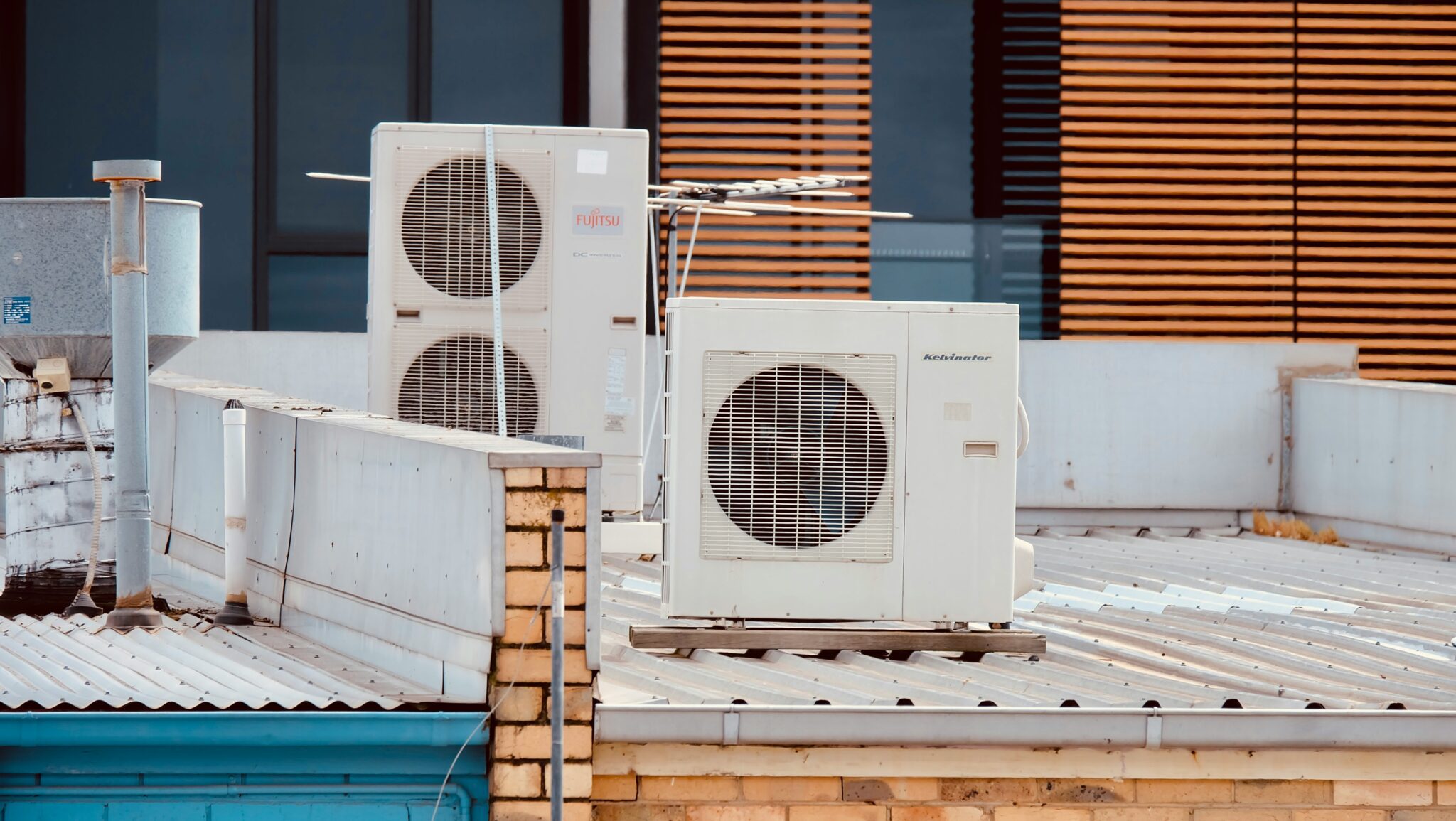
Every mechanical asset follows a predictable depreciation curve over its operational lifespan. Standard central air conditioning units typically remain functional for 12 to 17 years, and heat pumps maintain efficiency for 10 to 16 years. Pushing equipment past these operational windows increases maintenance expenses and risks sudden system failure.
Older units suffer from mechanical wear that reduces seasonal energy efficiency ratios. Internal components lose efficiency, requiring more electricity to maintain targeted indoor temperatures. Replacing equipment before catastrophic breakdown allows property managers to plan capital outlays strategically and maintain tenant comfort.
Regular maintenance extends unit life, but component efficiency inevitably declines after a decade. Investing in new mechanical technology eliminates unpredictable repair bills and locks in long-term reliability.
Evaluating Capital Costs Against Long-Term Savings
Upfront costs for complete system replacements vary based on property square footage and equipment specifications. Replacing a central heating and cooling setup in a standard 2,000-square-foot residence ranges between $7,000 and $20,000 depending on component quality. High-efficiency configurations require larger investments but deliver substantial utility savings across coming years.
Coastal heat and high humidity throughout southern regions demand heavy air conditioning performance for nearly three-quarters of the year. Property owners seeking specialized cooling solutions in South Carolina often find that replacing aging equipment prevents costly emergency repairs during peak summer heatwaves. Upgrading to modern variable-speed compressors stabilizes indoor humidity levels and keeps monthly utility expenditures predictable. These operational improvements protect real estate assets from humidity damage and keep high-end residences running smoothly.
System upgrades mitigate exposure to rising utility tariffs across summer peak months. Lowering base power consumption reduces recurring holding expenses on luxury residential portfolios.
Analyzing Energy Efficiency Gains and Utility Savings
Modern HVAC systems feature advanced technology that slashes energy consumption compared to older models. Upgrading to high-efficiency equipment can reduce heating and cooling energy use by 5 to 30 percent. Lower monthly utility bills help offset initial capital outlays over the lifecycle of the system.
Ductwork integrity plays an equally major role in total system performance. Leaky or poorly connected air ducts lose 20 to 30 percent of conditioned air before reaching living spaces. Sealing existing ductwork during a system replacement optimizes airflow and maximizes system output. Combining new equipment with proper insulation and duct sealing can yield energy savings between 20 and 50 percent.
Eliminating thermal loss through sealed ductwork lowers strain on motor assemblies. Smaller workload demands prolong equipment lifespan and reduce ongoing operational risk.
Boosting Real Estate Value and Market Appeal
Upgrading climate control infrastructure directly impacts total property valuation. Premium HVAC upgrades increase home value by 5 to 7 percent and offer an approximate return on investment of 30 percent. Buyers in competitive real estate markets prioritize modernized heating and cooling systems.
Key benefits that attract premium buyers include:
- Reduced operational costs and lower monthly utility commitments
- Improved indoor air quality through modern filtration systems
- Smart thermostat integration allowing remote climate control
- Comprehensive manufacturer warranties that cover future mechanical repairs
Updating mechanical systems before listing a residence eliminates buyer hesitation during inspections. Upgraded climate systems serve as a strong selling point that distinguishes luxury properties from competing listings.
Regional Replacement Costs and Tax Incentives
Local market conditions and climate demands influence total replacement expenses. Across regional markets, replacing a full climate control system ranges from $5,200 to $13,500 depending on unit capacity. Understanding regional pricing helps owners benchmark quotes from qualified contractors.
State and federal programs offer financial incentives that lower net replacement costs. Regional launches of Home Energy Rebate programs provide substantial savings opportunities for efficiency-focused upgrades. Leveraging these financial incentives increases net return on investment for smart home improvements.
Combining rebates with federal tax credits lowers effective capital requirements. Wealthy investors frequently utilize these tax advantages to optimize net cash expenditures on residential renovations.
Identifying Key Indicators for Immediate Replacement
Recognizing signs of mechanical failure helps owners make timely upgrade decisions. Recurring service calls, uneven temperature distribution, and rising electric bills signal declining efficiency. Replacing equipment proactively avoids emergency service fees during peak seasonal demand.
Upgrading mechanical systems transforms an ongoing maintenance burden into a valuable property asset. Modern units provide quiet operation, precise temperature control, and reliable performance year-round. Taking a proactive approach to home infrastructure preserves portfolio value and guarantees ongoing comfort.
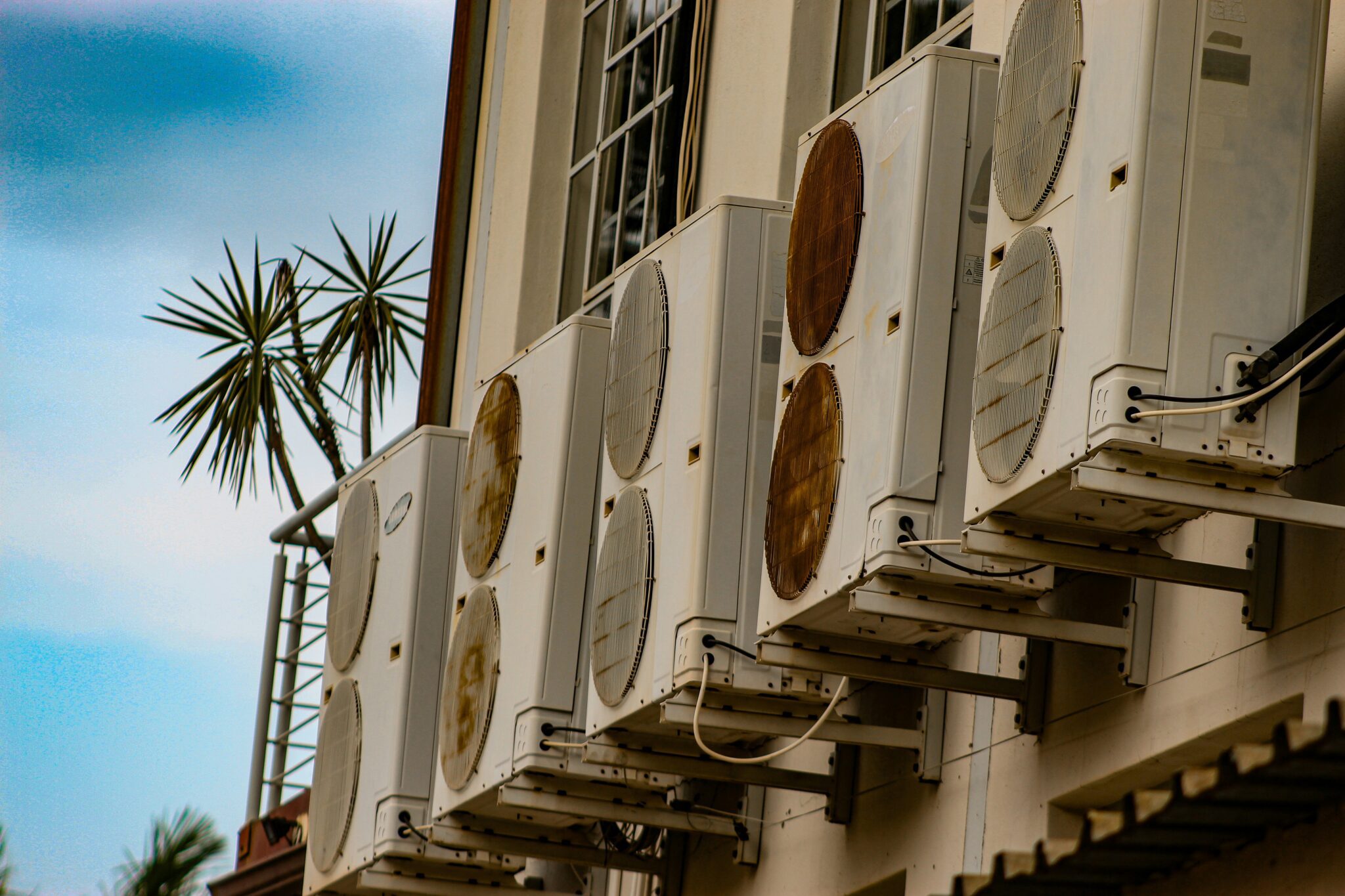
Investing in modern climate control equipment safeguards property values and lowers long-term operating costs. Strategic timing helps you maximize energy efficiency gains and takes full advantage of financial rebates. Analyzing mechanical lifespan, energy savings, and equity impact helps property owners make profitable capital allocation decisions. Upgrading your system turns routine maintenance into a high-yielding real estate investment.