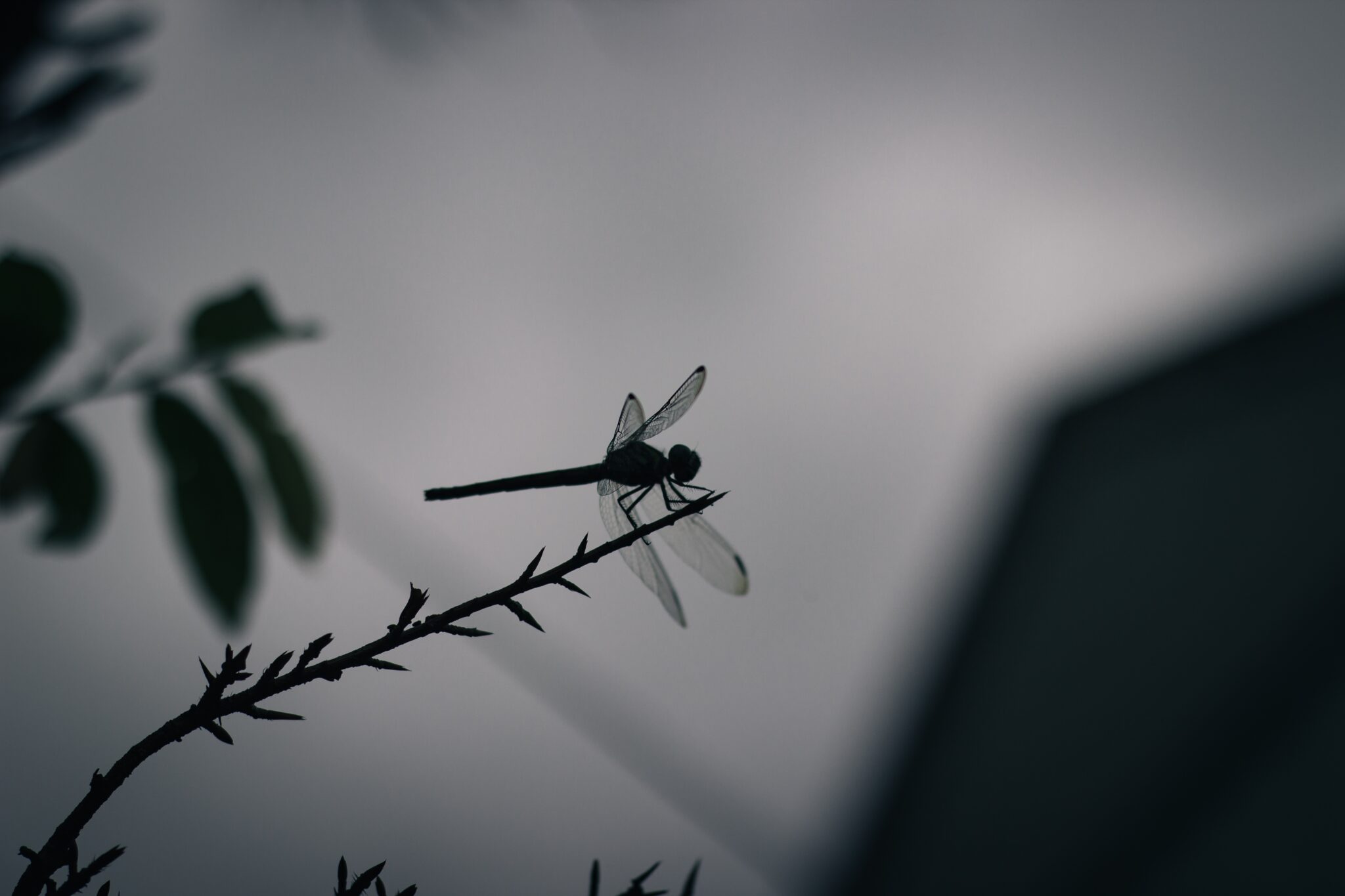
Maintaining a clean and secure house requires regular attention to hidden spaces. Small invaders can quietly build nests in basements, attics, or wall voids before anyone notices.
Taking proactive measures stops infestations before they turn into costly problems. Simple daily habits and smart maintenance choices protect your living environment year-round.
Identify Common Household Targets
Unwanted bugs can turn a peaceful living room into a stress zone overnight. Homeowners looking for professional wasp pest control can address stinging insects before nests expand near entryways. Taking early steps keeps your family comfortable throughout every season.
Insects seek 3 basic things when invading a residential space. They search for water, food scraps, and warm shelter away from outdoor elements. Removing access to these items makes your home far less appealing.
Attics and basements offer quiet locations where pests thrive without disturbance. Cardboard boxes and loose clutter provide ideal hiding spots for many crawling creatures. Switching to plastic storage bins helps protect stored belongings from damage.
Seal Structural Gaps and Entry Points
Tiny gaps around doors and foundations serve as open pathways for unwanted visitors. An industry study pointed out that pests can infiltrate your house through the tiniest of openings. Checking window screens and door sweeps regularly stops tiny invaders from slipping inside.
Banned Phrases.txt
Focusing on high-risk areas helps prioritize home repair efforts. Key spots that require frequent checks include:
- Foundation cracks near ground level
- Gaps around outdoor plumbing pipes
- Loose seals near garage doors
- Worn weather stripping around windows
Addressing these vulnerabilities keeps cold air and bugs outside where they belong.
Small rodents can squeeze through surprisingly tight spaces during winter months. Research shows that mice squeeze through openings as small as a dime. Using steel wool combined with exterior caulk blocks these tiny access points effectively.
Remove Food and Moisture Sources
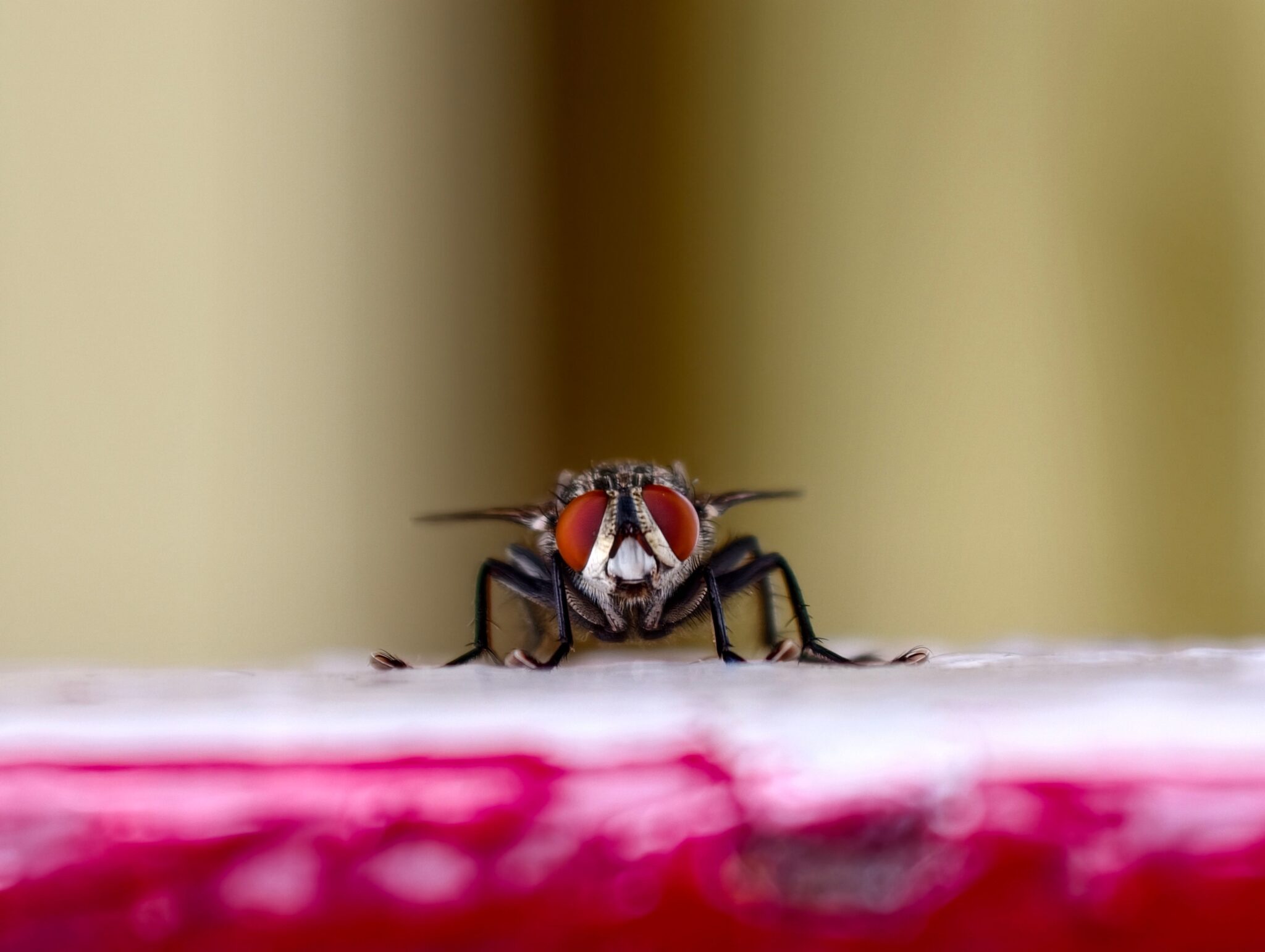
Leftover food crumbs on kitchen counters attract ants and flies within minutes. Storing dry goods in airtight glass or thick plastic containers prevents pantry pests. Wiping down cooking surfaces every evening stops night scavengers from finding a quick meal.
Standing water creates ideal breeding grounds for mosquitoes and flying bugs. Repairing leaky pipes beneath sinks removes constant moisture sources. Keeping bathroom fans running after showers reduces humidity levels in hard-to-ventilate areas.
Trash cans inside and outside the home should feature tight seals. Emptying indoor waste bins daily eliminates odors that attract curious animals. A pest control publication emphasized that the first line of defence against wasps is to seal any possible entry points into your home or building.
Practice Smart Outdoor Yard Maintenance
Overgrown shrubs touching exterior walls give crawling insects direct bridges onto your siding. Trimming branches at least 2 feet away from the roofline reduces pest traffic. Mowing lawns regularly prevents tall grass from harboring ticks and fleas.
Outdoor dining areas require careful attention during summer months. A wildlife protection article noted that a nest filled with wasps will eat thousands of mosquitoes in a season, so be smart about consuming food and drink outside, and the wasps will do what they are born to do. Covering sweet drinks and meat platters reduces unwanted insect interactions during backyard gatherings.
Firewood piles should sit at least 20 feet away from the main house structure. Raising wood stacks off the ground prevents termites and wood-boring beetles from nesting near your foundation. Clearing fallen leaves and organic debris keeps damp soil away from outer walls.
Establish a Seasonal Inspection Routine
Regular checks throughout the year catch small pest issues before they grow into major infestations. Experts advise that you inspect your home every 3 months for pests to detect infestations early and prevent them from worsening. Schedule seasonal walkthroughs to check crawl spaces, attics, and perimeter walls.
Simple seasonal tasks keep your protection strategy organized and active. Key actions for your checklist include:
- Clearing rain gutters in late autumn
- Inspecting outdoor faucets in early spring
- Sealing chimney caps before winter starts
- Checking roof vents during summer months
Following a routine keeps your defense system strong throughout all 4 seasons.
Adapting your strategy as weather changes prevents seasonal insect surges. A leading exterminator guide highlights that by taking 1 preventative step each season, you can enjoy a pest-free home all year. Consistency remains the best defense against persistent household invaders.
Use Eco-Friendly Prevention Methods
Many homeowners prefer gentle remedies that guard against insects without harsh chemicals. Natural sprays containing peppermint oil or cedarwood effectively repel spiders and ants. Sprinkling diatomaceous earth near baseboards creates a barrier against crawling bugs.
Modern home care practices prioritize safe strategies for pets and children. A recent industry updates piece noted that eco-friendly and sustainable pest control methods are more important than ever. Selecting non-toxic options keeps indoor air quality clean while managing bug populations.
Installing door sweeps made of dense brush material blocks insects without chemical sprays. Ultrasonic deterrent devices can offer support in quiet storage areas. Combining physical barriers with natural repellents creates multi-layered protection.
Understand the Cost of Ignored Infestations
Delaying basic home maintenance can lead to serious structural damage. Termites and carpenter ants hollow out wooden beams silently behind dry walls. Fixing structural wood failure costs homeowners thousands of dollars in major repairs.
Bug activity impacts commercial sectors and broader economic stability. Professional research indicates that these insects cost the economy over $130 million each year due to their disruptive behavior. Protecting individual properties contributes to broader community pest management goals.
Investing a small amount in prevention saves considerable money down the road. Replacing broken window screens costs under $20 yet prevents hundreds in extermination fees. Routine care keeps property values high and stress levels low.
Protecting your living space from unwanted bugs takes consistent effort and simple maintenance steps. Monitoring entry points, keeping surfaces clean, and clearing yard clutter maintain a safe sanctuary.
Taking proactive measures guarantees peace of mind for you and your family. Start with small home adjustments today to enjoy a comfortable, bug-free living space.https://impactwealth.org/how-to-keep-your…m-unwanted-pests/