Vehicle collisions involving high-value automobiles require a meticulous approach to documentation and insurance management. Beyond immediate physical safety, vehicle owners must take strategic action to protect their financial interests and legal standing. Navigating complex claims involves coordinating with law enforcement, gathering objective evidence, and managing discussions with insurance representatives. A clear strategy reduces liability risks and simplifies financial recovery.
Immediate On-Scene Documentation Strategies
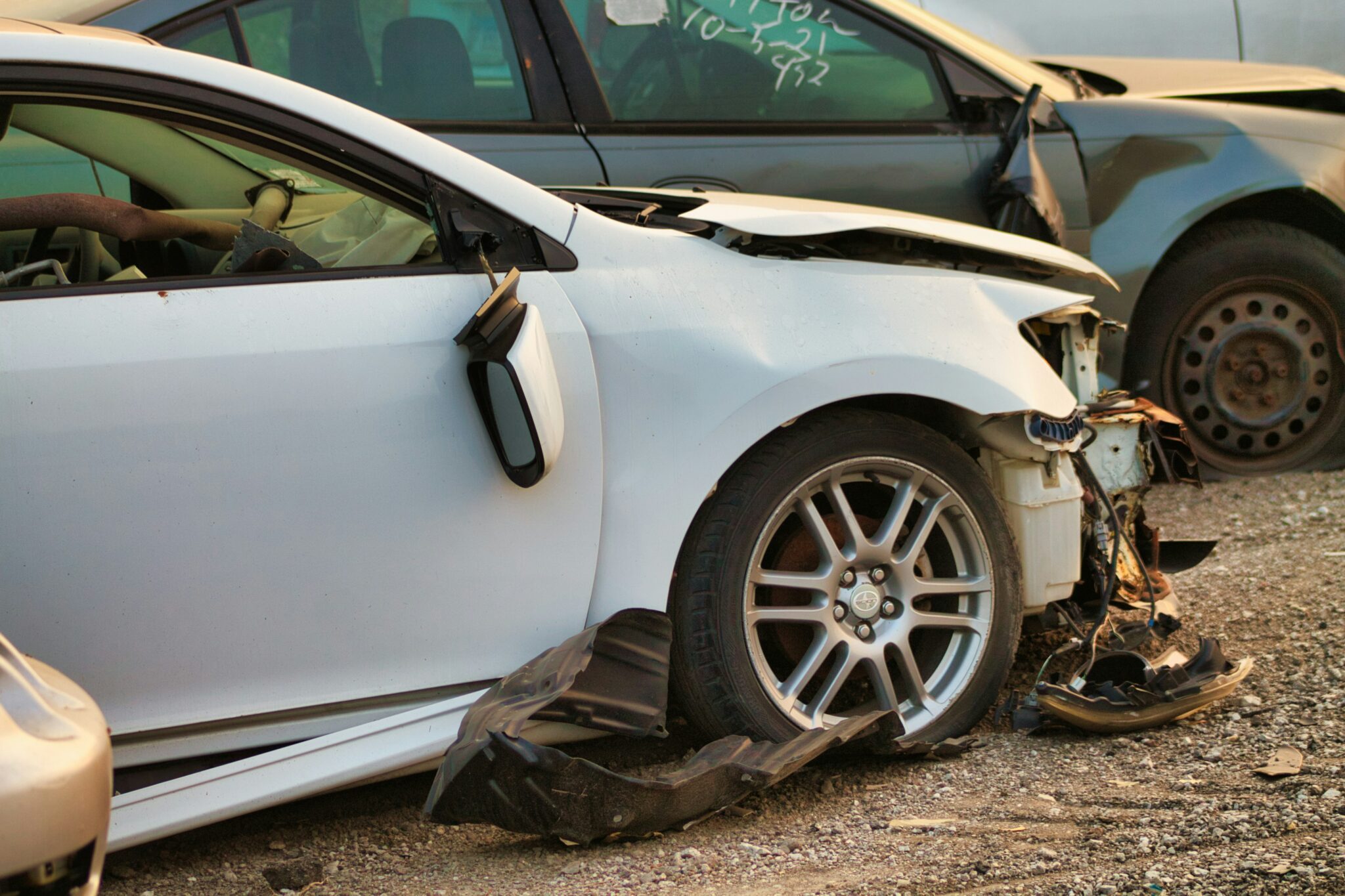
Securing thorough details right after a crash establishes a firm foundation for any claim. Drivers should photograph vehicle damage from multiple angles before moving cars off the roadway. A legal resource pointed out that taking photos of all vehicles, traffic signs, skid marks, road conditions, and visible injuries provides critical baseline proof. Photographic records captured instantly prevent other parties from misrepresenting collision facts later.
Exchanging complete contact information with driver parties remains standard procedure at the scene. Collecting details from neutral witnesses offers an independent perspective if liability becomes disputed later. Modern smartphones capture high-definition media, making video recordings of the intersection or roadway highly effective. Documenting surrounding environmental elements like weather patterns strengthens case clarity.
Leveraging High-Tech Visual Evidence for Legal Defense
High-stakes collision disputes often require advanced forensic technology to recreate event sequences accurately. Modern legal teams frequently utilize car crash animations that bring collisions to life for juries when physical evidence alone leaves room for debate. Complex multi-vehicle accidents become clear when trial experts transform telemetry data into exact visual reconstructions.
Interactive graphics assist claims adjusters and legal teams in evaluating vehicle speed, impact angles, and driver reaction times. Vehicle owners benefit when complex physical evidence is presented without ambiguity in formal proceedings. Clear visual representation protects policyholders against unearned liability claims and inflated damage demands. Forensic graphics bridge the gap between technical crash data and factual understanding.
Timely Notification and Policy Compliance
Filing an accident report with your insurance provider without delay keeps coverage active and valid. Insurance contracts contain strict timelines regarding claim filing following an incident. A legal advisory post highlighted that most policies require prompt notice, and failing to report an accident quickly can cause problems later. Delayed notices create friction and give adjusters grounds to question claim validity.
Submitting accurate information during initial calls prevents misunderstandings during formal claim reviews. Policyholders should state factual details without offering speculative opinions regarding fault or liability. Written summaries provided to adjusters must align directly with physical evidence collected at the site. Maintaining consistency across all administrative filings protects contractual rights under the policy.
Managing High-Asset Vehicle Repair Assessments
Luxury and exotic vehicles require specialized repair standards to maintain structural integrity and resale value. Standard insurance adjusters sometimes miss hidden mechanical damage or complex structural issues. Employing certified manufacturer technicians protects the equity of your automobile investment.
- Request detailed itemized estimates from certified collision centers before authorizing mechanical repairs.
- Obtain a formal diminished value assessment to capture loss of market value post-repair.
- Confirm that repair facilities use original equipment manufacturer parts rather than aftermarket alternatives.
- Maintain a digital paper trail of all repair invoices and inspector evaluations.
Navigating structural assessment reports requires careful attention to detail throughout the claim life cycle. Preserving secondary estimates gives policyholders leverage during coverage disputes with primary carriers. Documenting repair timelines helps prevent loss-of-use claims from stalling in administrative review. Detailed repair records protect vehicle valuation when trading luxury assets.
Securing Comprehensive Medical and Property Records
Thorough recordkeeping covers both vehicle property loss and medical evaluations for all occupants. Medical assessments should occur right away, even when physical symptoms seem minor at first. Formal medical documentation establishes a direct legal link between the collision and sustained bodily injuries. Comprehensive healthcare records prevent adjusters from attributing medical expenses to pre-existing conditions.
A legal analysis noted that clear visual materials help juries and adjusters understand how a collision actually happened during complex proceedings. Consolidating official police reports, medical invoices, and repair estimates into a single secure folder streamlines insurance negotiations. Retaining digital duplicates guarantees records remain accessible during prolonged legal reviews or court cases. Organized documentation accelerates claim processing times across all insurance departments.
Navigating Negotiations with Insurance Adjusters
Insurance claims representatives work to limit carrier payouts on substantial coverage claims. Drivers should remain professional and guarded during all formal communications with adjusters. Providing recorded statements without legal counsel present can compromise your standing in complex cases. Adjusters ask leading questions designed to shift financial responsibility onto the policyholder.
Retaining qualified legal counsel provides a protective barrier during settlement negotiations. Experienced attorneys handle communications, audit claims calculations, and press for equitable financial outcomes. Strategic representation allows vehicle owners to focus on personal recovery as experts negotiate fair monetary compensation. Qualified legal advocates verify that all economic damages and future loss valuations are factored into final settlement offers.
Handling an auto collision claim requires organization, clear documentation, and strategic foresight. Protecting valuable assets depends on taking disciplined steps from the moment an accident occurs through final settlement. Vehicle owners who prioritize precise recordkeeping and professional legal support position themselves for optimal claim outcomes.