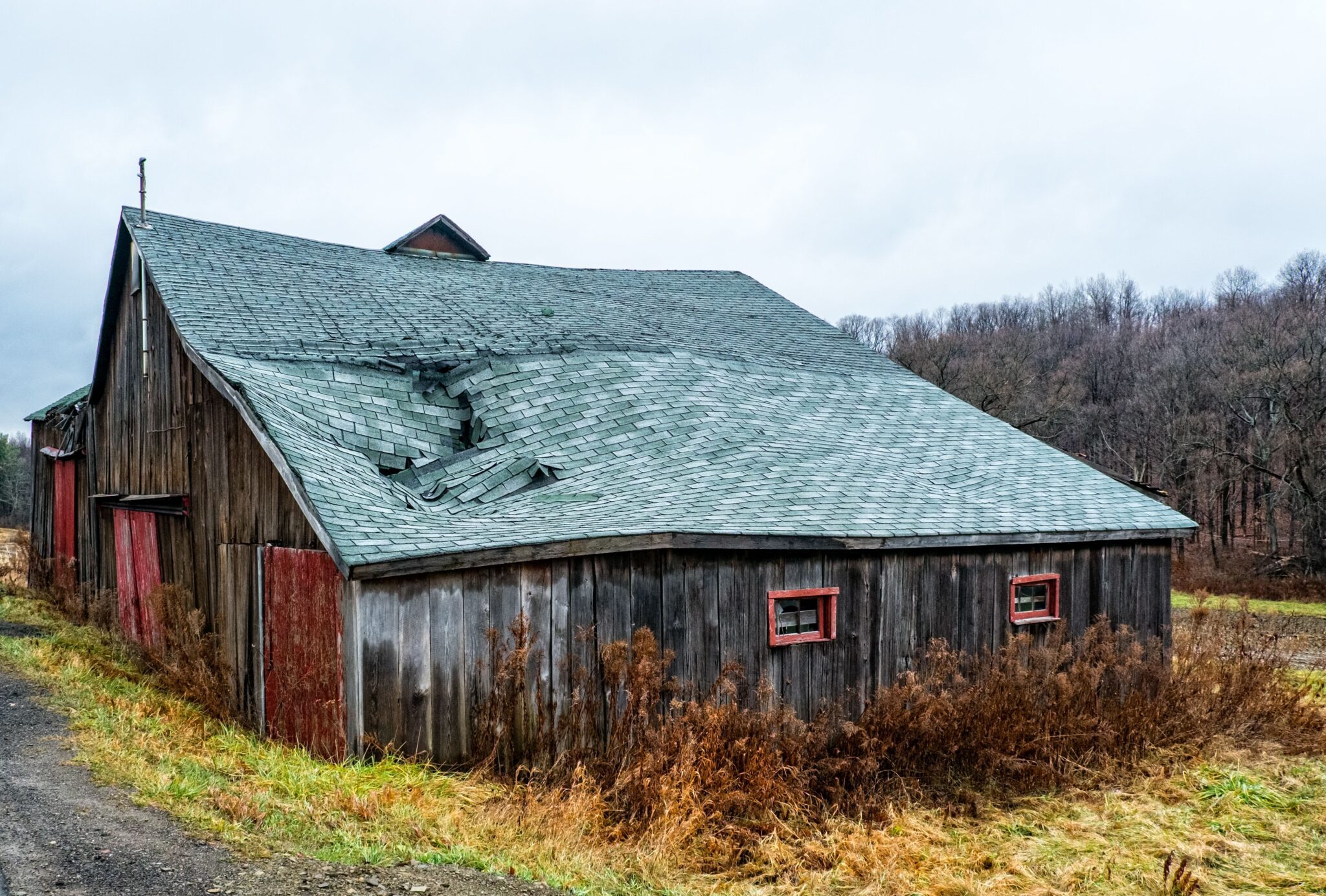
Gusty windstorms are common in Charlottetown, Prince Edward Island (PEI), Canada. Roofs in the area get impacted by these strong winds. Initially, nothing looks out of place as the damage is usually minor. However, after a professional inspection, things may change! They offer detailed information about the damage coverage you will get.
The majority of storm damage claims are denied or underpaid because people fail to document the roof damage as the adjuster needs. Today, we are going to discuss what to look for during an inspection and how to prepare for it.
Why are PEI roof claims handled differently?
PEI’s weather conditions and geographical location are such that winds behave differently in this part than in other parts of Canada. Insurers and repair companies know this. This is why repair service providers look for wind-driven patterns.
They check whether the shingles are lifted, whether the damage is concentrated on one side of the roof, the impact of debris, and more. When you understand this, you will know why two people in the same area get different claim outcomes from the same storm. Also, the process of storm damage roof repair Charlottetown PEI, will differ between the two cases.
Factors to assess during roof inspection after a storm
For a thorough roof inspection after the storm, you can make a checklist. Try to get an idea of the wind direction and the roof exposure by checking which side of the roof faced the impact. Also, check the age and the condition of the roofing material.
Professional roof repair entities offer repair services. They determine whether there were any pre-existing wear and the extent of damage caused by the storm. These experts pay attention to shingles. Shingles are easily affected by severe storms.
They will check flashing and seal integrity around vents, edges, and chimneys. Lastly, they inspect interior signs of water intrusion in the attic.
They have an eye to differentiate between storm damage and long-term deterioration. Roof insurance does not cover wear and tear. An aging roof makes it difficult to prove that the storm caused the damage.
Small preparations that homeowners can do
Homeowners must take photos of the roof immediately after the storm from different angles. Keep a note of the date and the approximate wind conditions. Refrain from climbing onto the roof, as that can cause further damage and complicate the assessment.
Keeping a record of the home interior can help. You can check for any new leaks, water stains, and more. If you cannot handle these tasks alone, seek assistance from a roofing professional from Artisanroofing.ca. To repair serious roof damage, these entities can be ideal.
Final words
Wind events and damage claims are common in Charlottetown, PEI. Understanding the inspection process puts homeowners in a better position. They can document things to get better compensation for the damages. In any case, they should contact a local veteran-owned roof repair and renovation provider to get the necessary repairs done. A damaged roof will affect the property’s structural integrity in the long run.