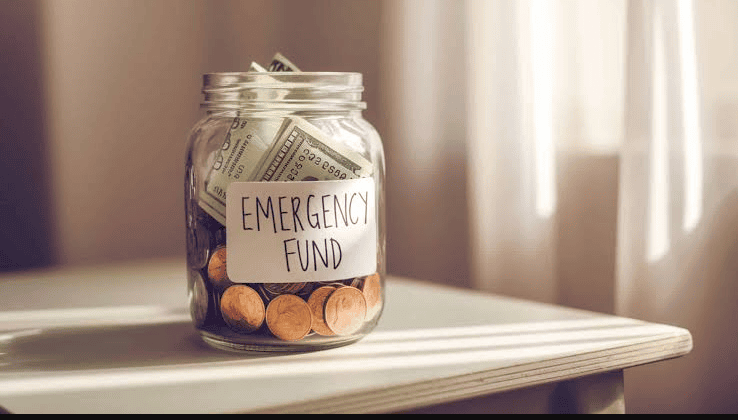
An emergency fund is one of the most important parts of a healthy financial plan. Unexpected expenses such as medical bills, car repairs, job loss, or urgent home repairs can create financial stress if you are not prepared. Having money set aside for emergencies gives you protection and helps you avoid relying on credit cards or loans.
Learning how to build an emergency fund fast requires a clear plan, consistent saving habits, and smart money management. Whether you are starting with no savings or trying to increase your current emergency fund, the right strategies can help you reach your goal faster.
What Is an Emergency Fund?
An emergency fund is money saved specifically for unexpected financial situations. It is separate from your regular spending money and should only be used for genuine emergencies.
Common emergency expenses include:
- Medical costs
- Unexpected repairs
- Job loss
- Urgent travel
- Essential household expenses
The purpose of an emergency fund is to provide financial security and prevent unexpected events from damaging your long-term financial goals.
Why Is an Emergency Fund Important?
Without emergency savings, many people turn to borrowing money when unexpected expenses occur. This can lead to debt and financial pressure.
An emergency fund helps you:
- Handle unexpected expenses
- Avoid high-interest debt
- Maintain financial stability
- Reduce money-related stress
- Protect your savings and investments
Even a small emergency fund can make a significant difference during difficult situations.
How Much Money Should You Have in an Emergency Fund?
The ideal emergency fund amount depends on your personal situation.
Many financial experts recommend saving:
- A starter emergency fund of $500 to $1,000
- Three to six months of essential living expenses for a full emergency fund
Your target amount may depend on factors such as:
- Income stability
- Monthly expenses
- Family responsibilities
- Job security
- Financial goals
Start with a realistic goal and increase your savings over time.
1. Set a Clear Emergency Fund Goal
The first step to building an emergency fund fast is deciding how much you need.
Calculate your essential monthly expenses, including:
- Housing costs
- Food
- Utilities
- Transportation
- Insurance
- Minimum debt payments
Once you know your monthly expenses, choose a target amount that provides enough protection.
A clear goal makes saving easier because you know exactly what you are working toward.
2. Create a Dedicated Savings Account
Keep your emergency fund separate from your everyday spending account.
A dedicated savings account helps you:
- Avoid accidental spending
- Track your progress
- Stay focused on your goal
Consider using a high-yield savings account to earn interest while keeping your money accessible.
3. Automate Your Savings
Automation is one of the fastest ways to build an emergency fund.
Set up automatic transfers from your checking account to your savings account after receiving your income.
Benefits include:
- Consistent saving
- Less temptation to spend
- Faster progress
- Easier money management
Even small automatic deposits can add up quickly.
4. Cut Unnecessary Expenses Temporarily
If your goal is to build an emergency fund quickly, reducing expenses can help you save more money each month.
Look for temporary ways to lower spending:
- Cancel unused subscriptions
- Cook meals at home
- Reduce entertainment costs
- Shop with a list
- Avoid impulse purchases
You do not need to eliminate all enjoyment, but short-term adjustments can speed up your savings progress.
5. Increase Your Income
Reducing expenses helps, but increasing income can accelerate your emergency fund growth.
Possible ways to earn extra money include:
- Freelancing
- Selling unused items
- Taking extra shifts
- Offering services online
- Starting a side business
Use additional income specifically for your emergency fund to reach your goal faster.
6. Save Unexpected Money
Whenever you receive extra money, consider putting part or all of it into your emergency fund.
Examples include:
- Tax refunds
- Bonuses
- Gifts
- Extra payments
- Side income
Unexpected money can provide a major boost toward your savings goal.
7. Use the “Pay Yourself First” Method
Many people save only what remains after spending, but often there is little left at the end of the month.
Instead, treat savings like a required expense.
A simple approach:
- Receive your income.
- Transfer money to your emergency fund.
- Pay bills and expenses with the remaining amount.
This method helps you prioritize financial security.
8. Avoid Using Your Emergency Fund for Non-Emergencies
Building savings requires discipline. Avoid using your emergency fund for unnecessary purchases.
Do not use it for:
- Shopping
- Vacations
- Entertainment
- Lifestyle upgrades
Keeping the money reserved for real emergencies ensures it is available when you truly need it.
9. Pay Down High-Interest Debt
High-interest debt can make it harder to save because a large portion of your income goes toward interest payments.
While building your emergency fund, consider:
- Saving a small emergency cushion first
- Paying down expensive debt
- Increasing savings after reducing debt
A balanced approach can improve your overall financial health.
10. Track Your Progress Regularly
Monitoring your savings progress keeps you motivated and helps you stay on track.
Review:
- Current savings balance
- Monthly contributions
- Remaining goal amount
- Changes in expenses
Celebrating small milestones can help you maintain momentum.
Common Mistakes When Building an Emergency Fund
Avoid these mistakes while saving:
- Setting an unrealistic goal
- Keeping emergency money in a spending account
- Using savings for unnecessary purchases
- Saving inconsistently
- Ignoring unexpected expenses
A simple and consistent plan is usually more effective than a complicated strategy.
FAQs About Building an Emergency Fund Fast
1. How quickly can I build an emergency fund?
The timeline depends on your income, expenses, and savings rate. Some people build a starter fund within a few months, while larger emergency funds may take longer.
2. Where should I keep my emergency fund?
An emergency fund should usually be kept in a safe and accessible savings account. Many people choose high-yield savings accounts to earn interest while maintaining access to their money.
3. How much should I save for emergencies?
Many people aim for three to six months of essential expenses, but starting with a smaller goal such as $500 or $1,000 is a good first step.
4. Should I build an emergency fund before investing?
Many people prioritize creating an emergency fund before investing heavily because emergency savings provide financial protection during unexpected situations.
5. Can I build an emergency fund on a low income?
Yes. Building an emergency fund on a low income is possible by starting small, reducing unnecessary expenses, and saving consistently.
6. Should I use my emergency fund to pay off debt?
It is usually helpful to maintain some emergency savings while paying off debt. Having no savings can force you to borrow again when unexpected costs occur.
7. What qualifies as an emergency expense?
Emergency expenses are unexpected and necessary costs, such as medical bills, urgent repairs, or essential living expenses after losing income.
Final Thoughts
Learning how to build an emergency fund fast is an important step toward financial security. A strong emergency fund protects you from unexpected challenges and gives you more control over your money.
The fastest way to build savings is to create a clear goal, automate contributions, reduce unnecessary spending, increase income when possible, and stay consistent. Even small steps can create meaningful financial protection over time.