From the terraces above Spiaggia Grande to Michelin-starred tables carved into the cliffside, here’s how discerning travelers experience Positano beyond the postcard
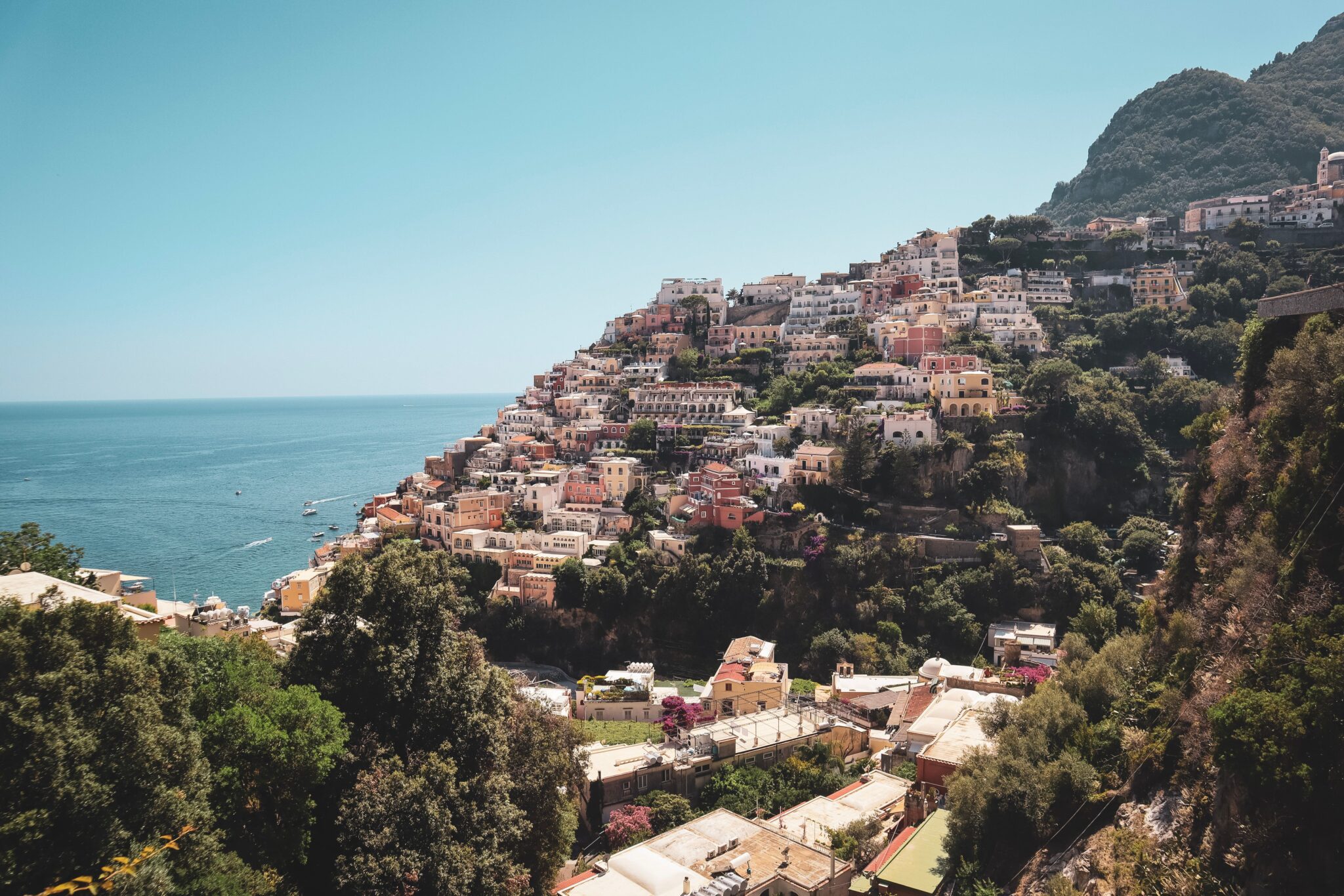
Positano doesn’t announce itself quietly. The pastel houses cascade down the cliff face in tiers, the Mediterranean glitters below in a blue that seems almost engineered, and every switchback of the coastal road reveals a new version of the same impossible view. It’s the kind of place that photographs itself, which is precisely why so many visitors stop looking the moment they arrive.
For travelers with the time and taste to go deeper, Positano rewards patience. The real town lives above the beach clubs and gift shops: in stone stairways that climb toward Montepertuso, in a Michelin-starred dining room tucked into a five-star cliffside hotel, in a hiking trail the ancient Greeks are said to have believed was walked by gods. This is a guide to seeing Positano the way locals and seasoned travelers do, slowly, and from the right angle.
Why Positano Is Unlike Anywhere Else on the Coast
Unlike Amalfi or Sorrento, which spread outward, Positano was built straight up the mountainside, and that vertical geography is the entire experience. There is no flat stroll through town, only stairways, terraces, and narrow lanes that force you to look up or down, and either way, the sea finds you.
That verticality is also what separates a rushed day-trip from a proper visit. The famous view, the one on every postcard and Instagram grid, is only earned by climbing. Travelers who stay at beach level see Positano. Those who climb see why it became a legend.
Where to Stay: The Address Book for a Cliffside Escape
Positano’s hospitality scene has quietly become one of the most competitive in Europe, and three properties define it.
Le Sirenuse, a former private villa turned hotel by the Sersale family in the 1950s, remains the town’s most storied address: antique-filled rooms, a lemon-tiled infinity pool, and La Sponda, its Michelin-starred restaurant lit entirely by candlelight after dark. Il San Pietro di Positano, carved directly into the rock a short drive from the center, is built around its own private beach and elevator down to the water, along with Zass, another Michelin-starred kitchen with views to match. For something quieter, Villa Treville, once the retreat of Franco Zeffirelli, offers just a handful of suites and a garden that feels closer to a private estate than a hotel.
Expect rates at these properties to start in the €900–€1,500 per night range in high season, climbing considerably higher for suites with private pools or terraces, a reminder that in Positano, altitude and privacy are the true luxuries.
The View That Made Positano Famous
Spiaggia Grande, the main beach, is where most itineraries begin, and it’s worth arriving before 9:00 a.m., both for the light and to enjoy the waterfront before the ferries from Capri and Amalfi start unloading. But the view that defines Positano isn’t taken from the sand; it’s taken from above.
The terraces along Via Cristoforo Colombo, the upper panoramic roads near Montepertuso, and the elevated lookouts facing the Li Galli islands, a private archipelago once owned by Rudolf Nureyev, all offer the layered, cliffside vista the town is known for. Sunset is the moment to be there: the light turns the rock face gold, and the village lights begin switching on tier by tier below. For a fuller breakdown of exactly where to stand and when, this positano what to see guide is a useful primer to have loaded before you set out with a camera.
Beyond the Beach: Nocelle, Montepertuso and the Path of the Gods
Roughly twenty minutes above the center by road, Montepertuso trades the crowds for authenticity: a working village with panoramic terraces and a pace that hasn’t changed much in decades. It’s an ideal stop in the early evening, when the temperature drops and the views stretch uninterrupted toward the sea.
Further up, the tiny hamlet of Nocelle marks the trailhead for the Sentiero degli Dei, the Path of the Gods, one of Italy’s most celebrated hikes. The full route runs from Agerola down to Nocelle and eventually Positano, tracing cliff edges with the entire Amalfi Coast unfolding below. Travelers short on time can walk just the final stretch into Nocelle and still take in the trail’s signature panorama, before descending into town by taxi or on foot.
On the Water: Seeing Positano the Way It Was Meant to Be Seen
No visit is complete without approaching Positano from the sea. Chartering a private boat out of Marina Grande, anything from a classic gozzo to a full-day yacht charter, is the single best way to appreciate the town’s improbable architecture, and it opens access to coves that are difficult or impossible to reach on foot, including Fornillo and the more secluded Laurito beach.
Half-day charters typically run toward the Li Galli islands or along the coast to Praiano and Amalfi, with lunch stops at cliffside coves accessible only by water. It’s a slower, more private way to take in a coastline most visitors only ever see from a car window.
Where to Eat: Fine Dining With a Vertical View
Positano’s dining scene has earned its Michelin recognition honestly. Beyond La Sponda and Zass, smaller cliffside restaurants throughout town serve the same Amalfi staples: scialatielli ai frutti di mare, lemon-everything, fresh anchovies, at a fraction of the formality, often with views just as dramatic. Reservations at the town’s best tables should be made well before arrival, particularly from June through September.
When to Go
Late spring (May to June) and early autumn (September to early October) offer the clearest advantage: warm enough for the water, cool enough for the climb, and considerably quieter than the peak of August, when the town’s population multiplies several times over and its stairways fill accordingly.
Final Thoughts
Positano rewards travelers willing to climb for it. The beach is the introduction; the terraces, the trails, and the tables above sea level are the actual story. Spend a day here and you’ll leave with the photograph everyone takes. Spend three, and you’ll understand why so few people who see this coastline from above ever fully leave it behind.